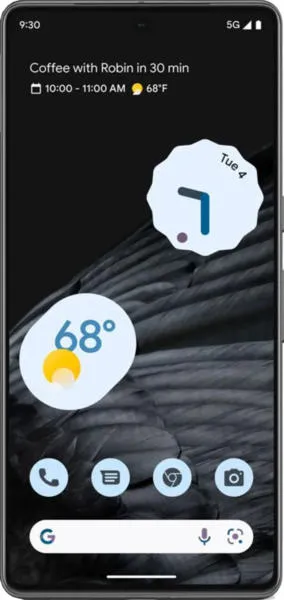
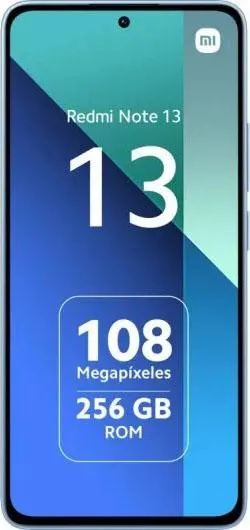
Google Pixel 7 Pro vs. Xiaomi Redmi Note 13 4G: A Deep Dive
Let's dissect the Google Pixel 7 Pro and the Xiaomi Redmi Note 13 4G, going beyond the spec sheets to understand what these devices offer in the real world.
1. Specifications Breakdown
| Feature | Google Pixel 7 Pro | Xiaomi Redmi Note 13 4G | Real-World Implications |
|---|---|---|---|
| Design | |||
| Dimensions (mm) | 162.9 x 76.6 x 8.9 | 162.3 x 75.6 x 8.0 | Pixel 7 Pro slightly taller and wider, but negligibly thinner. |
| Weight (g) | 212 | 188.5 | Redmi Note 13 4G noticeably lighter, improving one-handed use. |
| Build Quality | Premium (Glass/Metal) | Plastic | Pixel 7 Pro feels more substantial and durable. |
| Display | |||
| Size (inches) | 6.7 | 6.67 | Virtually identical screen real estate. |
| Resolution (px) | 1440 x 3120 | 1080 x 2400 | Pixel 7 Pro significantly sharper and more detailed (512 vs 395 PPI). |
| Panel Type | LTPO AMOLED | AMOLED | Both offer vibrant colors and deep blacks; Pixel benefits from LTPO for dynamic refresh rate, saving battery. |
| Refresh Rate (Hz) | 120 | 120 | Both provide smooth scrolling and animations. |
| Performance | |||
| Chipset | Google Tensor G2 | Snapdragon 685 | Pixel 7 Pro vastly more powerful, enabling demanding tasks and gaming. |
| CPU | Octa-core (2x2.85 GHz Cortex-X1 & 2x2.35 GHz Cortex-A78 & 4x1.80 GHz Cortex-A55) | Octa-core (4x2.8 GHz Cortex-A73 & 4x1.9 GHz Cortex-A53) | Pixel 7 Pro utilizes newer, higher-performance cores. |
| RAM (GB) | 12 | 8 | Pixel 7 Pro better equipped for multitasking and heavy applications. |
| Camera | |||
| Main Sensor (MP) | 50 | 108 | Pixel 7 Pro prioritizes image processing and sensor quality over sheer megapixel count. |
| Telephoto | 48MP (5x Optical) | None | Pixel 7 Pro offers superior zoom capabilities. |
| Battery Life | |||
| Capacity (mAh) | 5000 | 5000 | Identical battery capacity, but real-world usage will vary due to processing efficiency. |
2. Key Insights
- Performance Disparity: The Tensor G2 in the Pixel 7 Pro is a flagship-level chip, dwarfing the mid-range Snapdragon 685 in the Redmi Note 13 4G. This translates to a significantly smoother and more responsive experience on the Pixel, especially for demanding tasks like gaming and video editing.
- Display Prowess: While both phones boast 120Hz AMOLED displays, the Pixel 7 Pro's higher resolution and LTPO technology deliver a crisper image and more efficient power consumption. The variable refresh rate allows the Pixel to conserve battery by lowering the refresh rate during static content.
- Camera Focus: The Pixel 7 Pro emphasizes computational photography, leveraging Google's advanced image processing algorithms to produce stunning photos. While the Redmi Note 13 4G boasts a 108MP main sensor, real-world image quality is likely to favor the Pixel due to superior software and hardware integration. The dedicated telephoto lens on the Pixel is a clear advantage for zoom photography.
- Software Experience: The Pixel 7 Pro runs on pure Android with guaranteed updates, ensuring a clean and timely software experience. The Redmi Note 13 4G, while also running Android, may have a customized interface (MIUI) and less frequent updates.
3. User Profiles and Recommendations
- Pixel 7 Pro: Ideal for power users, photographers, and those who prioritize a premium, fluid Android experience with guaranteed updates. The superior performance, display, and camera system justify the higher price tag for demanding users.
- Redmi Note 13 4G: Best suited for budget-conscious users who primarily use their phones for everyday tasks like browsing, social media, and light gaming. The large display and long battery life are appealing, but users should expect some performance compromises compared to the Pixel.
4. Buying Decision Framework
- What is your budget? The Pixel 7 Pro is a significantly more expensive device.
- What are your primary phone usage patterns? For demanding tasks, the Pixel 7 Pro is a clear winner. For basic usage, the Redmi Note 13 4G offers good value.
- How important are camera quality and software updates? The Pixel 7 Pro excels in both areas.
My Choice: Google Pixel 7 Pro
If I were choosing between these two, I'd opt for the Google Pixel 7 Pro. While the Redmi Note 13 4G offers compelling value for its price, I prioritize the fluid performance, exceptional camera system, and clean software experience offered by the Pixel. The Tensor G2 chip ensures smooth multitasking and future-proofs the device for demanding applications. The superior display and guaranteed Android updates further solidify my decision. As a tech enthusiast and someone who relies heavily on their smartphone for both work and leisure, the Pixel 7 Pro's overall performance and refined experience are worth the investment.
