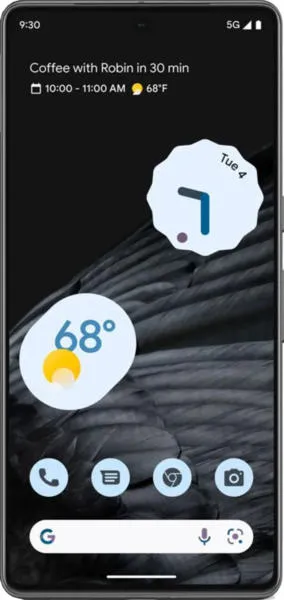
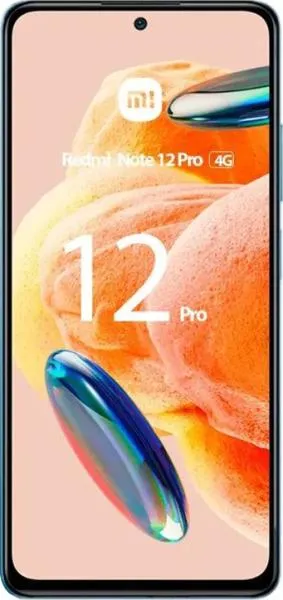
Google Pixel 7 Pro vs. Xiaomi Redmi Note 12 Pro 4G: A Deep Dive
Let's dissect the Google Pixel 7 Pro and the Xiaomi Redmi Note 12 Pro 4G, translating their spec sheets into real-world experiences. We'll uncover what these numbers truly mean for you, the user.
1. Specifications Breakdown
| Feature | Google Pixel 7 Pro | Xiaomi Redmi Note 12 Pro 4G | Real-World Implications |
|---|---|---|---|
| Design | |||
| Dimensions (mm) | 162.9 x 76.6 x 8.9 | 164.2 x 76.1 x 8.1 | Pixel 7 Pro slightly shorter and wider; both are slim. Redmi Note 12 Pro 4G slightly lighter. |
| Weight (g) | 212 | 201.8 | Negligible weight difference in daily use. |
| Build | Aluminum frame, Gorilla Glass Victus | Glass front, plastic frame, glass back | Pixel boasts a more premium build, potentially offering better durability. |
| Display | |||
| Size (inches) | 6.7 | 6.67 | Virtually identical screen real estate. |
| Resolution | 1440 x 3120 | 1080 x 2400 | Pixel 7 Pro significantly sharper (512 ppi vs 395 ppi), noticeable in text and image clarity. |
| Refresh Rate | 120Hz (LTPO) | 120Hz | Both offer smooth scrolling and animations. Pixel's LTPO allows for variable refresh rate, saving battery. |
| Display Type | LTPO AMOLED | AMOLED | Both offer vibrant colors and deep blacks. Pixel's LTPO provides more power efficiency. |
| Performance | |||
| Chipset | Google Tensor G2 | Snapdragon 732G | Pixel 7 Pro significantly more powerful, enabling faster multitasking, smoother gaming, and AI tasks. |
| CPU | Octa-core (2x2.85 GHz Cortex-X1...) | Octa-core (2x2.2 GHz Kryo 470...) | Pixel 7 Pro's CPU offers superior performance in demanding applications. |
| RAM | 12GB | 8GB | Pixel 7 Pro's extra RAM enhances multitasking and app responsiveness. |
| Camera | |||
| Main Camera | 50MP | 108MP | Pixel emphasizes image processing over sheer megapixels; expect superior image quality from Pixel. |
| Zoom | 5x Optical | Digital Only | Pixel 7 Pro provides true optical zoom for clearer distant shots. |
| Video | 4K@60fps | 4K@30fps | Pixel 7 Pro offers higher resolution and frame rate video recording. |
| Battery Life | |||
| Capacity | 5000mAh | 5000mAh | Similar battery capacities; real-world battery life will depend on usage and optimization. |
| Charging | Fast Charging | Fast Charging | Both offer fast charging, but specific speeds would require further investigation. |
2. Key Insights
The Pixel 7 Pro is the clear powerhouse here, boasting a superior processor, display, camera system, and build quality. Its Tensor G2 chip unlocks advanced AI capabilities and delivers a flagship-level performance. The 120Hz LTPO AMOLED display offers stunning visuals with intelligent power management. Pixel's computational photography prowess shines through, delivering exceptional image quality even with a lower megapixel count compared to the Redmi.
The Redmi Note 12 Pro 4G aims for a more budget-friendly approach. While it features a large AMOLED display and a high-resolution main camera, it lags behind the Pixel in processing power, camera features, and overall refinement. The Snapdragon 732G is a capable mid-range chip, but it won't match the Tensor G2's performance in demanding tasks.
3. User Profiles and Recommendations
Pixel 7 Pro: Ideal for power users, photographers, and those seeking a premium, future-proof smartphone experience. The seamless software, powerful hardware, and exceptional camera make it a top contender.
Redmi Note 12 Pro 4G: Suited for budget-conscious users who prioritize a large AMOLED display and decent performance for everyday tasks like social media, browsing, and casual gaming. Not ideal for demanding applications or photography enthusiasts.
4. Buying Decision Framework
- What's your budget? The Pixel 7 Pro sits in a higher price bracket. If budget is a primary concern, the Redmi Note 12 Pro 4G offers a more affordable option.
- What are your primary use cases? For demanding tasks, gaming, and photography, the Pixel 7 Pro excels. For casual use, the Redmi is sufficient.
- How important is software and long-term support? Pixel phones receive timely Android updates and benefit from Google's software expertise, ensuring a smoother, more secure experience over time.
My Choice: Google Pixel 7 Pro
If I were choosing between these two, I'd go with the Google Pixel 7 Pro. While it comes at a premium, the superior performance, refined camera system, and the promise of consistent software updates make it a worthwhile investment. The smoother, more responsive user experience, coupled with the advanced AI capabilities of the Tensor G2, aligns perfectly with my need for a device that can handle demanding tasks and keep up with my workflow. As a tech journalist, having a reliable device with a top-tier camera for capturing events and showcasing new technologies is essential. The Pixel 7 Pro delivers on all fronts. While the Redmi Note 12 Pro 4G offers tempting value, the Pixel's significant advantages in crucial areas like performance, camera quality, and long-term software support ultimately make it the more compelling choice for my needs.
