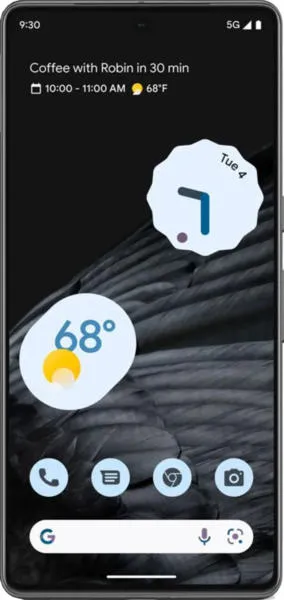
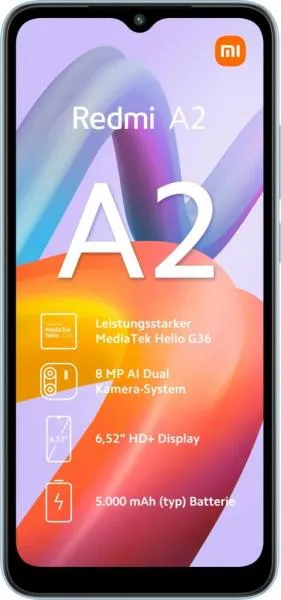
Google Pixel 7 Pro vs. Xiaomi Redmi A2: A Deep Dive
Let's dissect the Google Pixel 7 Pro and the Xiaomi Redmi A2, two phones occupying vastly different tiers in the smartphone landscape. This comparison goes beyond a simple spec sheet rundown; we'll explore how these technical differences translate into real-world experiences for you, the user.
1. Specifications Breakdown
| Feature | Google Pixel 7 Pro | Xiaomi Redmi A2 | Real-World Implications |
|---|---|---|---|
| Design | |||
| Dimensions (mm) | 162.9 x 76.6 x 8.9 | 164.9 x 76.8 x 9.1 | Pixel 7 Pro is slightly more compact. |
| Weight (g) | 212 | 192 | Redmi A2 is noticeably lighter. |
| Build Materials | Glass/Aluminum | Plastic | Pixel 7 Pro feels more premium and durable. Redmi A2 prioritizes affordability. |
| Display | |||
| Display Type | LTPO AMOLED | IPS LCD | Pixel 7 Pro offers deeper blacks, vibrant colors, and smoother scrolling with a 120Hz refresh rate. |
| Resolution | 1440 x 3120 | 720 x 1600 | Pixel 7 Pro provides significantly sharper visuals. |
| PPI Density | 512 | 269 | Pixel 7 Pro displays crisper text and images. |
| Performance | |||
| Chipset | Google Tensor G2 | Mediatek Helio G36 | Pixel 7 Pro boasts much faster processing and advanced AI capabilities. |
| CPU | Octa-core (2.85 GHz) | Octa-core (2.2 GHz) | Pixel 7 Pro handles demanding tasks and multitasking with ease. |
| RAM | 12GB | 2/3GB | Pixel 7 Pro offers vastly superior multitasking and app responsiveness. |
| Camera | |||
| Main Camera | 50MP | 8MP | Pixel 7 Pro captures significantly more detailed and dynamic photos. |
| Video Recording | 4K@60fps | 1080p@30fps | Pixel 7 Pro offers higher resolution and smoother video recording. |
| Battery Life | |||
| Battery Capacity | 5000 mAh | 5000 mAh | Similar battery capacity, but real-world usage will vary due to processing differences. |
| Charging | Fast Charging | Standard Charging | Pixel 7 Pro charges significantly faster. |
| Other | |||
| OS | Android 13 | Android 12 | Pixel 7 Pro runs the latest Android version with guaranteed updates. |
| NFC | Yes | No | Pixel 7 Pro supports contactless payments and data transfer. |
| Price Range | Medium | Low | Reflects the substantial difference in features and performance. |
2. Key Insights
The Pixel 7 Pro is a flagship smartphone offering a premium experience across the board. Its Tensor G2 chip delivers blazing-fast performance, enabling seamless multitasking, demanding gaming, and advanced AI features. The brilliant LTPO AMOLED display provides stunning visuals with a smooth 120Hz refresh rate. The camera system is top-tier, capturing exceptional photos and videos.
The Redmi A2, on the other hand, is a budget-friendly device focused on essential functionality. It provides basic smartphone capabilities for users who prioritize affordability. While its performance and features are modest compared to the Pixel 7 Pro, it offers a large battery and a clean Android experience.
3. User Profiles and Recommendations
Pixel 7 Pro: Ideal for power users, photographers, gamers, and anyone who demands top-tier performance, a premium display, and the latest features.
Redmi A2: Suitable for budget-conscious users who primarily use their phones for calling, texting, basic web browsing, and social media. It's a good option for students or as a secondary device.
4. Buying Decision Framework
- What is your budget? The Pixel 7 Pro is significantly more expensive.
- What are your primary phone usage patterns? If you need top-tier performance and features, the Pixel 7 Pro is the clear winner. If you primarily use basic functions, the Redmi A2 is a cost-effective option.
- How important are camera quality and display to you? The Pixel 7 Pro significantly outperforms the Redmi A2 in these areas.
My Choice: Google Pixel 7 Pro
As a tech journalist with a focus on performance and user experience, I would choose the Google Pixel 7 Pro. While the Redmi A2 serves its purpose as an entry-level device, the Pixel 7 Pro aligns perfectly with my needs. I value the fluid performance enabled by the Tensor G2 chip, the stunning display, the exceptional camera system, and the long-term software support guaranteed by Google. The premium build quality and the seamless integration with Google's ecosystem are added bonuses. The price difference is significant, but for me, the Pixel 7 Pro's superior user experience justifies the investment. It's a device that empowers productivity, creativity, and seamless connectivity, crucial aspects of my daily workflow. The Redmi A2 is a commendable device for its price point, but it simply doesn't offer the comprehensive experience I seek in a smartphone.
