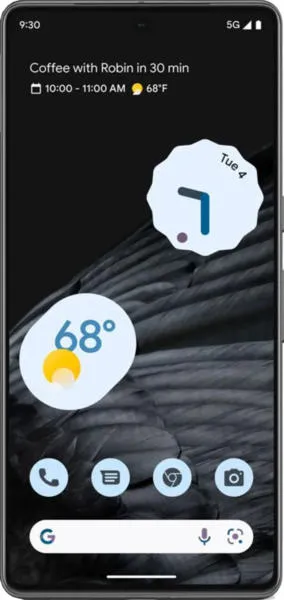
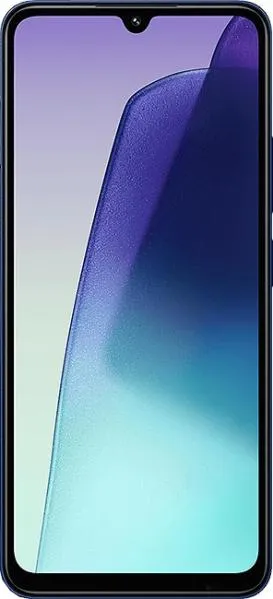
Google Pixel 7 Pro vs. Xiaomi Redmi 14C: A Deep Dive
Let's dissect the Google Pixel 7 Pro and the Xiaomi Redmi 14C, two phones occupying different ends of the "medium price" spectrum. This comparison will go beyond the spec sheet, translating numbers into real-world experiences.
1. Specifications Breakdown
| Feature | Google Pixel 7 Pro | Xiaomi Redmi 14C | Real-World Implications |
|---|---|---|---|
| Design | |||
| Dimensions (mm) | 162.9 x 76.6 x 8.9 | 171.9 x 77.8 x 8.2 | Pixel 7 Pro is slightly more compact and pocketable. |
| Weight (g) | 212 | 211 | Negligible weight difference. |
| Build Materials | Glass/Aluminum | Plastic | Pixel boasts a more premium feel and potentially better durability. Redmi 14C might feel less sturdy. |
| Display | |||
| Size (inches) | 6.7 | 6.88 | Redmi 14C has a slightly larger screen, but resolution and quality matter more. |
| Resolution | 1440 x 3120 | 720 x 1640 | Pixel 7 Pro offers significantly sharper visuals (512 ppi vs. 260 ppi), impacting clarity and detail. |
| Panel Type | LTPO AMOLED | IPS LCD | Pixel's AMOLED delivers richer colors, deeper blacks, and better power efficiency. |
| Refresh Rate | 120Hz | 120Hz | Both offer smooth scrolling and animations. |
| Performance | |||
| Chipset | Google Tensor G2 | Helio G81 Ultra | Tensor G2 offers superior AI processing, graphics performance, and overall speed. |
| CPU | Octa-core (2.85 GHz) | Octa-core (2.0 GHz) | Pixel 7 Pro has faster and more powerful CPU cores, leading to smoother multitasking and app loading. |
| RAM | 12GB | 4/6/8GB | Pixel's 12GB RAM ensures seamless multitasking and effortless app switching. Redmi's RAM may limit performance with multiple apps. |
| Camera | |||
| Main Camera | 50MP | 50MP | Pixel's superior image processing likely results in better image quality despite the same resolution. |
| Ultrawide | 12MP | N/A | Pixel offers an ultrawide lens for broader perspectives, Redmi 14C lacks this feature. |
| Telephoto | 48MP | N/A | Pixel's telephoto lens enables high-quality zoomed shots. |
| Video | 4K@60fps | 1080p@30fps | Pixel offers significantly higher resolution and frame rate video recording. |
| Battery Life | |||
| Capacity (mAh) | 5000 | 5160 | Redmi 14C has a slightly larger battery, but the Pixel's efficient display and processor may offset this. |
2. Key Insights
- Pixel 7 Pro: Premium Powerhouse: The Pixel excels in almost every category, delivering a flagship-level experience with exceptional performance, a brilliant display, and a top-tier camera system. Its Tensor G2 chip provides a unique advantage in AI-powered features and overall responsiveness.
- Redmi 14C: Budget-Friendly Basic: The Redmi 14C offers a large display and long battery life at an attractive price. However, it compromises significantly on performance, camera capabilities, and build quality. Its strength lies in providing essential smartphone functionalities at a minimal cost.
3. User Profiles and Recommendations
- Pixel 7 Pro: Ideal for users who prioritize performance, photography, a premium user experience, and the latest software features. Excellent for demanding tasks, gaming, content creation, and capturing high-quality photos and videos.
- Redmi 14C: Suitable for budget-conscious users who primarily use their phones for basic communication, web browsing, and social media. A good option for those seeking a large screen without demanding heavy performance.
4. Buying Decision Framework
- What is your budget? The Pixel 7 Pro is significantly more expensive. If price is a primary concern, the Redmi 14C offers basic functionality at a much lower cost.
- What are your primary phone usage patterns? For demanding tasks and multimedia consumption, the Pixel 7 Pro is vastly superior. For basic use, the Redmi 14C suffices.
- How important are camera quality and features? If photography is a priority, the Pixel 7 Pro's camera system outclasses the Redmi 14C by a wide margin.
My Choice: Google Pixel 7 Pro
While the Redmi 14C offers incredible value for its price, I would choose the Google Pixel 7 Pro. I value a smooth, responsive user experience, a brilliant display, and a top-tier camera. The Pixel 7 Pro excels in all these areas, offering a flagship-level experience that justifies the higher price. The Tensor G2 chip's AI capabilities and the superior software experience are compelling additions. For me, the long-term benefits of a powerful and feature-rich device outweigh the initial cost savings. The Redmi 14C, while functional, would likely leave me wanting more in terms of performance and overall capability.
