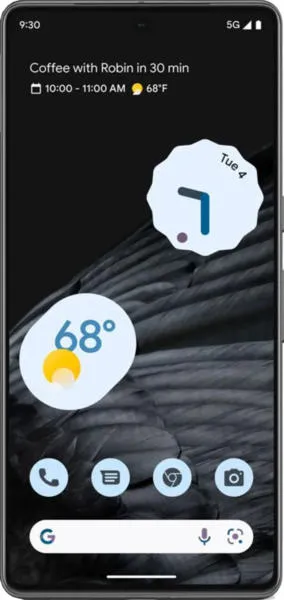
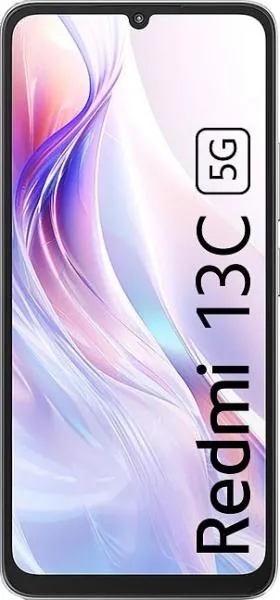
Google Pixel 7 Pro vs. Xiaomi Redmi 13C 5G: A Deep Dive
Let's cut through the marketing fluff and get down to brass tacks. We're comparing the Google Pixel 7 Pro, a flagship contender, with the Xiaomi Redmi 13C 5G, a budget-friendly option. Both offer 5G connectivity, but their similarities largely end there. This analysis will equip you with the knowledge to choose the phone that truly fits your needs.
1. Specifications Breakdown
| Feature | Google Pixel 7 Pro | Xiaomi Redmi 13C 5G | Real-World Implications |
|---|---|---|---|
| Design | |||
| Dimensions (mm) | 162.9 x 76.6 x 8.9 | 168 x 78 x 8.1 | Pixel 7 Pro is slightly more compact and premium feeling. |
| Weight (g) | 212 | 192 | Redmi is noticeably lighter, but the Pixel's weight conveys a sense of quality. |
| Build Materials | Glass/Aluminum | Plastic | Pixel boasts a more premium build, contributing to durability and aesthetics. Redmi prioritizes affordability with a more common plastic build. |
| Display | |||
| Display Type | LTPO AMOLED | IPS LCD | Pixel's AMOLED delivers vibrant colors, deeper blacks, and better power efficiency. Redmi's LCD is less impressive in direct sunlight. |
| Refresh Rate (Hz) | 120 | 90 | Pixel's smoother scrolling and animations enhance the user experience, particularly in gaming and fast-paced content consumption. |
| Resolution | 1440 x 3120 | 720 x 1600 | Pixel offers significantly sharper visuals and finer details. Redmi's lower resolution is noticeable in everyday use. |
| Performance | |||
| Chipset | Google Tensor G2 | Dimensity 6100+ | Pixel's Tensor G2 is optimized for AI and machine learning tasks, resulting in a smoother, more intelligent user experience. |
| CPU | Octa-core (2.85 GHz) | Octa-core (2.2 GHz) | Pixel's more powerful CPU delivers superior performance in demanding applications and multitasking. |
| RAM (GB) | 12 | 6 | Pixel's larger RAM enables seamless multitasking and smoother performance with multiple apps open. |
| Camera | |||
| Main Camera (MP) | 50 | 50 | Megapixel count is similar, but Pixel's advanced image processing and computational photography capabilities likely result in superior photos. |
| Video Recording | 4K@60fps | 1080p@30fps | Pixel offers much higher resolution and frame rate video recording. |
| Battery Life | |||
| Battery (mAh) | 5000 | 5000 | Similar battery capacity, but Pixel's more efficient display and processor likely translate to longer real-world usage. |
2. Key Insights
The Pixel 7 Pro excels in almost every category, boasting a superior display, significantly better performance, more advanced camera features, and a refined design. The Redmi 13C 5G, however, focuses on affordability. Its strengths lie in its large battery and basic 5G connectivity.
Pixel 7 Pro Advantages:
- Premium build and design
- Stunning LTPO AMOLED display with 120Hz refresh rate
- Powerful Tensor G2 chip with AI capabilities
- Excellent camera system with advanced computational photography
- Smooth and responsive user experience
Redmi 13C 5G Advantages:
- Lower price point
- Large 5000mAh battery
- 5G connectivity
3. User Profiles and Recommendations
Pixel 7 Pro: Ideal for users who prioritize performance, camera quality, a premium experience, and are willing to pay for it. Photographers, content creators, gamers, and power users will appreciate the Pixel's capabilities.
Redmi 13C 5G: Best suited for budget-conscious users who prioritize basic functionality, long battery life, and 5G connectivity over premium features and top-tier performance. This device is a good option for casual users who primarily use their phones for communication, social media, and light web browsing.
4. Buying Decision Framework
Questions to Ask Yourself:
- What is your budget? The Pixel 7 Pro is significantly more expensive.
- What are your primary smartphone needs? Do you prioritize performance, camera quality, or basic functionality?
- How important is a premium design and display? The Pixel offers a more refined experience.
My Choice: As Alex Griffin, I would choose the Google Pixel 7 Pro. While the Redmi 13C 5G offers excellent value for its price, I prioritize a smooth, responsive user experience, a top-tier camera, and a vibrant display. The Pixel 7 Pro's Tensor G2 chip, coupled with its exceptional camera capabilities and stunning AMOLED display, make it a clear winner for my needs. The premium build quality and software experience are also significant factors in my decision. The price difference is justified by the substantial performance and feature gap between the two devices. The Redmi 13C 5G is a commendable budget option, but it simply doesn't offer the level of refinement and capability that I demand from a smartphone.
