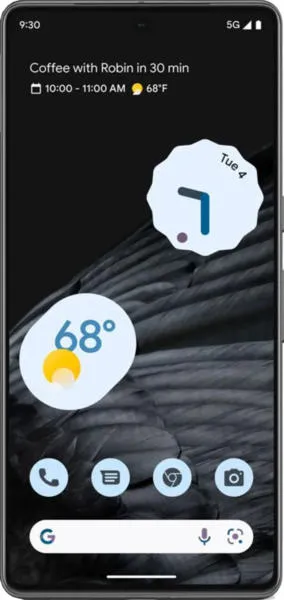

Google Pixel 7 Pro vs. Xiaomi Redmi 13C: A Deep Dive
Let's dissect the Google Pixel 7 Pro and the Xiaomi Redmi 13C, two phones occupying different ends of the smartphone spectrum. This analysis goes beyond the spec sheet, focusing on how these devices perform in the real world.
1. Specifications Breakdown
| Feature | Google Pixel 7 Pro | Xiaomi Redmi 13C | Real-World Implications |
|---|---|---|---|
| Design | |||
| Dimensions (mm) | 162.9 x 76.6 x 8.9 | 168 x 78 x 8.1 | Pixel 7 Pro is slightly more compact and premium feeling. Redmi 13C prioritizes a larger screen in a budget-friendly build. |
| Weight (g) | 212 | 192 | Pixel 7 Pro feels substantial in hand; Redmi 13C is lighter, potentially impacting one-handed use. |
| Display | |||
| Display Type | LTPO AMOLED | IPS LCD | Pixel 7 Pro offers superior contrast, deeper blacks, and smoother scrolling with its 120Hz adaptive refresh rate. |
| Resolution | 1440 x 3120 | 720 x 1600 | Pixel 7 Pro boasts significantly sharper visuals; Redmi 13C's resolution is noticeably lower. |
| Refresh Rate | 120Hz (adaptive) | 90Hz | Pixel 7 Pro provides a more fluid and responsive user experience, especially in gaming and scrolling. |
| Performance | |||
| Chipset | Google Tensor G2 | Helio G85 | Pixel 7 Pro delivers significantly faster processing and AI capabilities. Redmi 13C targets basic tasks and casual gaming. |
| CPU | Octa-core (2.85 GHz) | Octa-core (2.0 GHz) | Pixel 7 Pro handles demanding applications with ease; Redmi 13C may struggle with multitasking or heavy apps. |
| RAM | 12GB | 4/6/8GB | Pixel 7 Pro offers ample memory for smooth multitasking; Redmi 13C's RAM is sufficient for basic usage. |
| Camera | |||
| Main Camera | 50MP | 50MP | Both have high-resolution sensors, but Pixel 7 Pro's superior image processing and lens quality will likely yield better photos. |
| Additional Lenses | Wide, Telephoto | Macro, Depth | Pixel 7 Pro offers versatile zoom capabilities; Redmi 13C focuses on close-up shots and depth effects. |
| Battery Life | |||
| Capacity | 5000 mAh | 5000 mAh | Similar battery capacity suggests comparable longevity, but real-world usage will depend on optimization and display type. |
2. Key Insights
- Pixel 7 Pro: This is a flagship phone offering a premium experience across the board. The Tensor G2 chip delivers powerful performance and advanced AI features. The stunning LTPO AMOLED display with a 120Hz adaptive refresh rate sets it apart. The camera system, backed by Google's computational photography prowess, captures exceptional photos and videos.
- Redmi 13C: This is a budget-friendly device prioritizing affordability. While the Helio G85 chipset and lower resolution display are less powerful, they are adequate for everyday tasks. The large battery is a plus for extended usage. The camera, while boasting a 50MP sensor, likely won't match the Pixel's image quality due to processing limitations.
3. User Profiles and Recommendations
- Pixel 7 Pro: Ideal for power users, photographers, and those who demand a top-tier smartphone experience. If you value performance, a brilliant display, and cutting-edge camera technology, the Pixel 7 Pro is a strong contender.
- Redmi 13C: Suited for budget-conscious users, students, or those seeking a basic smartphone for communication, social media, and light gaming. It's a practical choice for those who prioritize affordability over top-end features.
4. Buying Decision Framework
- What is your budget? The Pixel 7 Pro is significantly more expensive.
- What level of performance do you need? For demanding tasks and gaming, the Pixel 7 Pro is essential.
- How important is camera quality? The Pixel 7 Pro offers a significantly superior camera experience.
Scenario-Based Recommendations:
- Heavy Multitasker/Gamer: Pixel 7 Pro
- Casual User/Student on a Budget: Redmi 13C
- Photography Enthusiast: Pixel 7 Pro
My Choice: Google Pixel 7 Pro
As a tech journalist who values a smooth, powerful, and feature-rich experience, I would choose the Google Pixel 7 Pro. The superior display, performance of the Tensor G2 chip, and the exceptional camera system are crucial for my work. The seamless integration with Google's services and the promise of timely software updates further solidify my choice. While the Redmi 13C offers excellent value for its price, it doesn't meet my needs for a primary device. The Pixel 7 Pro represents a long-term investment in a device that can handle demanding tasks, capture stunning visuals, and stay current with the latest software advancements.
