Google Pixel 7 Pro vs. Xiaomi Redmi 12C: A Deep Dive
Let's dissect the Google Pixel 7 Pro and the Xiaomi Redmi 12C, two smartphones targeting different segments of the market. We'll go beyond the spec sheet to understand what these numbers mean for your daily life.
1. Specifications Breakdown
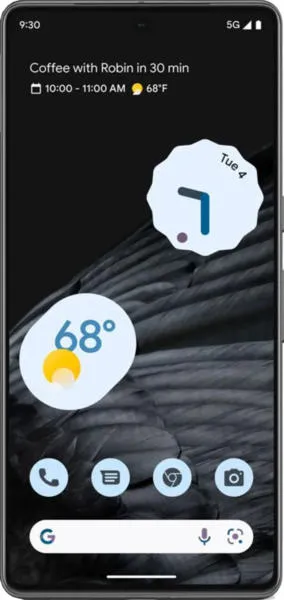
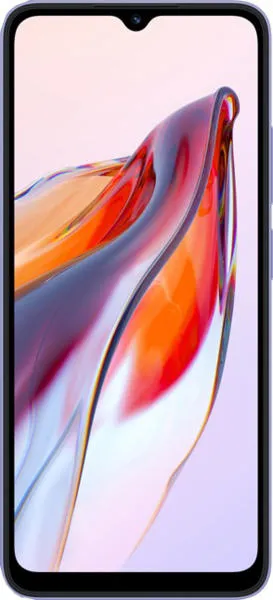
| Feature | Google Pixel 7 Pro | Xiaomi Redmi 12C | Real-World Implications |
|---|---|---|---|
| Design | |||
| Dimensions (mm) | 162.9 x 76.6 x 8.9 | 168.8 x 76.4 x 8.8 | Pixel 7 Pro is slightly smaller and thinner. |
| Weight (g) | 212 | 192 | Redmi 12C is noticeably lighter. |
| Build Materials | Aluminum frame, Gorilla Glass Victus | Plastic frame, unspecified glass | Pixel 7 Pro offers a more premium and durable build. |
| Display | |||
| Display Type | LTPO AMOLED | IPS LCD | Pixel's AMOLED delivers vibrant colors, deeper blacks, and better power efficiency. |
| Size (inches) | 6.7 | 6.71 | Virtually identical screen sizes. |
| Resolution | 1440 x 3120 | 720 x 1650 | Pixel 7 Pro boasts significantly sharper visuals (512 ppi vs. 268 ppi). |
| Refresh Rate | 120Hz | N/A | Pixel's 120Hz provides smoother scrolling and animations. |
| Performance | |||
| Chipset | Google Tensor G2 | Mediatek Helio G85 | Tensor G2 offers superior processing power and AI capabilities, leading to faster performance and advanced features. |
| CPU | Octa-core (2x2.85 GHz Cortex-X1 & 2x2.35 GHz Cortex-A78 & 4x1.80 GHz Cortex-A55) | Octa-core (2x2.0 GHz Cortex-A75 & 6x1.8 GHz Cortex-A55) | Pixel 7 Pro has a more powerful and efficient CPU architecture. |
| RAM | 12GB | 3/4/6GB | Pixel's 12GB ensures seamless multitasking and smooth app switching. Redmi's RAM options cater to basic usage. |
| Camera | |||
| Main Camera | 50MP | 50MP | Megapixel count is similar, but Pixel's advanced image processing and sensor likely result in superior image quality. |
| Additional Cameras | 12MP ultrawide, 48MP telephoto | 2MP macro, 5MP selfie | Pixel offers more versatile camera options with a dedicated telephoto lens. |
| Battery Life | |||
| Capacity | 5000mAh | 5000mAh | Similar battery capacities, but the Pixel's more efficient display and processor could lead to longer real-world usage. |
2. Key Insights
The Pixel 7 Pro is a flagship device with a premium price tag. It excels in performance, display quality, camera versatility, and software features. The Tensor G2 chip delivers a smooth and responsive user experience, while the brilliant AMOLED display and advanced camera system provide stunning visuals.
The Redmi 12C, on the other hand, is a budget-friendly option prioritizing affordability. While it offers a large display and a long-lasting battery, it compromises on processing power, camera features, and overall build quality.
3. User Profiles and Recommendations
Pixel 7 Pro: Ideal for power users, photographers, and those who demand a premium smartphone experience. It excels in demanding tasks, mobile gaming, content creation, and capturing high-quality photos and videos.
Redmi 12C: Suitable for budget-conscious users who prioritize basic communication, web browsing, and social media. It's a good option for students, seniors, or anyone seeking a simple and affordable smartphone.
4. Buying Decision Framework
- What's your budget? The Pixel 7 Pro is significantly more expensive.
- What are your primary smartphone needs? Basic communication vs. demanding tasks and content creation.
- How important are camera quality and performance? The Pixel 7 Pro significantly outperforms the Redmi 12C in these areas.
Scenario-based Recommendations:
- Limited budget, basic needs: Redmi 12C
- Demanding user, photographer, gamer: Pixel 7 Pro
- Balanced needs, moderate budget: Consider other mid-range options.
My Choice: Google Pixel 7 Pro
If I were choosing between these two, I'd go with the Pixel 7 Pro. As a tech journalist, I need a device with top-tier performance, a fantastic camera, and a smooth user experience. The Pixel 7 Pro delivers on all fronts. The superior display, powerful Tensor G2 chip, and versatile camera system are essential for my work. While the Redmi 12C offers great value for its price, it doesn't meet my requirements for performance and features. The price difference is significant, but for my needs, the Pixel 7 Pro's capabilities are worth the investment. The seamless integration with Google's ecosystem and the promise of timely software updates further solidify my decision.
