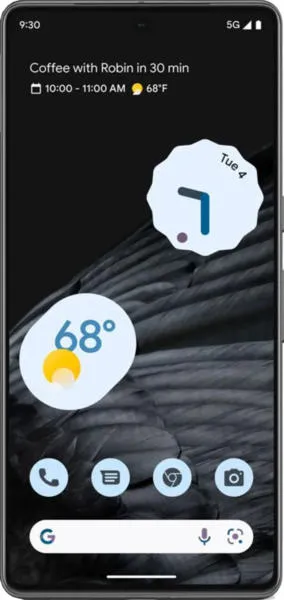
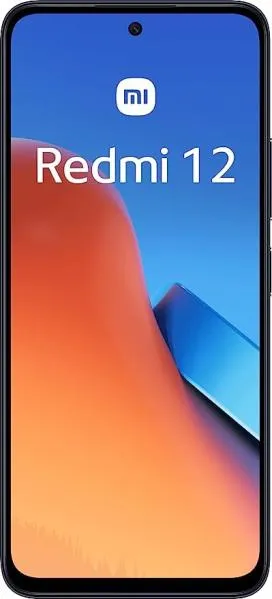
Google Pixel 7 Pro vs. Xiaomi Redmi 12: A Deep Dive
Let's dissect the Google Pixel 7 Pro and the Xiaomi Redmi 12, two phones occupying different ends of the "medium price" spectrum. This comparison goes beyond the spec sheet, translating numbers into real-world experiences.
1. Specifications Breakdown
| Feature | Google Pixel 7 Pro | Xiaomi Redmi 12 | Real-World Implications |
|---|---|---|---|
| Design | |||
| Dimensions (mm) | 162.9 x 76.6 x 8.9 | 168.6 x 76.3 x 8.2 | Pixel 7 Pro is slightly more compact. Redmi 12 is thinner but taller. |
| Weight (g) | 212 | 198.5 | Negligible weight difference in daily use. |
| Build Materials | Glass/Aluminum | Plastic | Pixel feels more premium; Redmi prioritizes affordability. Durability might be a factor. |
| Display | |||
| Type | LTPO AMOLED | IPS LCD | Pixel delivers richer blacks, vibrant colors, and better power efficiency. Redmi offers wider viewing angles. |
| Size | 6.7" | 6.79" | Redmi has slightly larger screen real estate. |
| Resolution | 1440 x 3120 | 1080 x 2460 | Pixel offers significantly sharper visuals due to higher pixel density (512 ppi vs. 396 ppi). |
| Refresh Rate | 120Hz | 90Hz | Pixel's smoother scrolling and animations enhance the user experience, especially in gaming. |
| Performance | |||
| Chipset | Google Tensor G2 | Helio G88 | Tensor G2 offers superior processing power and AI capabilities, leading to faster performance and advanced features. |
| CPU | Octa-core (2x2.85 GHz Cortex-X1 & 2x2.35 GHz Cortex-A78 & 4x1.80 GHz Cortex-A55) | Octa-core (2x2.0 GHz Cortex-A75 & 6x1.8 GHz Cortex-A55) | Pixel's CPU provides significantly better performance in demanding tasks and multitasking. |
| GPU | Mali-G710 MP7 | Mali-G52 MC2 | Pixel handles graphically intensive tasks and games much more smoothly. |
| RAM | 12GB | 8GB | Pixel's larger RAM enables better multitasking and app switching. |
| Camera | |||
| Main Sensor | 50MP Samsung GN1 | 50MP Samsung JN1 | Both have high megapixel counts, but Pixel's superior image processing likely results in better image quality. |
| Telephoto | 48MP | N/A | Pixel offers optical zoom for clearer distant shots; Redmi relies on digital zoom. |
| Ultrawide | 12MP | 8MP | Pixel likely provides a wider field of view and better image quality in ultrawide shots. |
| Battery Life | |||
| Capacity | 5000 mAh | 5000 mAh | Similar battery capacity; real-world battery life will depend on usage and optimization. |
2. Key Insights
The Pixel 7 Pro is a flagship-level device offering a premium experience. Its Tensor G2 chip delivers blazing performance, enhanced by AI capabilities for features like live translation and photo editing magic. The stunning LTPO AMOLED display, coupled with a 120Hz refresh rate, provides a visually immersive experience. The camera system, known for its exceptional image quality and computational photography, is a standout feature.
The Redmi 12, on the other hand, aims for value. While it boasts a large display and a sizable battery, its performance capabilities are more modest due to the Helio G88 processor. The camera system, though featuring a 50MP main sensor, lacks the advanced features and processing power of the Pixel.
3. User Profiles and Recommendations
Pixel 7 Pro: Ideal for power users, photographers, and those who demand a premium smartphone experience. Its superior performance, advanced camera, and refined software make it a top contender.
Redmi 12: Suitable for budget-conscious users who prioritize basic functionality, a large screen, and long battery life. It's a solid option for everyday tasks like browsing, social media, and casual gaming.
4. Buying Decision Framework
- What is your budget? The Pixel 7 Pro is significantly more expensive.
- What level of performance do you need? For demanding tasks and gaming, the Pixel 7 Pro is essential.
- How important is camera quality? The Pixel 7 Pro significantly outperforms the Redmi 12 in this area.
Scenario-Based Recommendations:
- Heavy Multitasker/Gamer: Pixel 7 Pro
- Casual User/Budget Conscious: Redmi 12
- Photography Enthusiast: Pixel 7 Pro
My Choice: Google Pixel 7 Pro
As a tech journalist with an engineering background, I value performance, a refined user experience, and cutting-edge technology. The Pixel 7 Pro's Tensor G2 chip, exceptional camera system, and smooth 120Hz LTPO AMOLED display align perfectly with my needs. While the Redmi 12 offers great value, the Pixel 7 Pro's superior overall package justifies the higher price for my usage. The seamless integration of hardware and software, coupled with Google's commitment to timely updates, makes the Pixel 7 Pro a clear winner for me. The AI-powered features are a bonus, enhancing productivity and creativity in ways that truly impress me.
