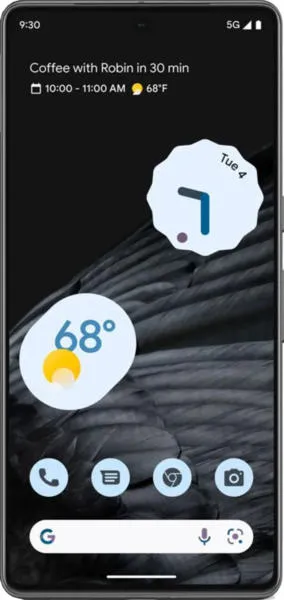
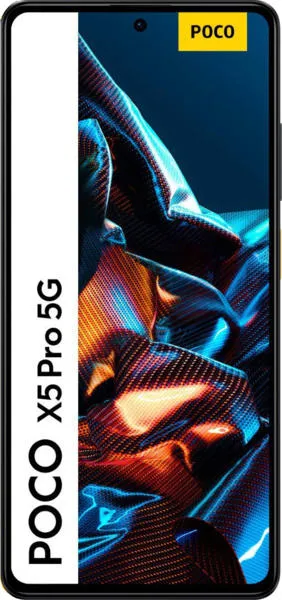
Google Pixel 7 Pro vs. Xiaomi Poco X5 Pro: A Deep Dive for the Discerning Smartphone User
Hello fellow tech explorers! Alex Griffin here, ready to dissect the Google Pixel 7 Pro and the Xiaomi Poco X5 Pro. We'll go beyond the spec sheets to uncover what these phones really offer in terms of daily use. Let's get started!
1. Specifications Breakdown
| Feature | Google Pixel 7 Pro | Xiaomi Poco X5 Pro | Real-World Implications |
|---|---|---|---|
| Design | |||
| Dimensions (mm) | 162.9 x 76.6 x 8.9 | 162.9 x 76.0 x 7.9 | Pixel 7 Pro slightly wider and thicker, but negligible in hand. Poco X5 Pro lighter (212g vs 181g). |
| Build Materials | Aluminum frame, Gorilla Glass Victus | Glass front, plastic frame, plastic back | Pixel feels more premium, potentially more durable. Poco prioritizes lightness. |
| Display | |||
| Display Type | LTPO AMOLED | AMOLED | Both offer vibrant colors and deep blacks. Pixel's LTPO allows for dynamic refresh rate, saving battery. |
| Refresh Rate | 120Hz | 120Hz | Smooth scrolling and animations on both. |
| Resolution | 1440 x 3120 | 1080 x 2400 | Pixel noticeably sharper due to higher pixel density (512ppi vs 395ppi). |
| HDR | HDR10+ | HDR10+ | Both support enhanced dynamic range for vibrant video content. |
| Performance | |||
| Chipset | Google Tensor G2 | Snapdragon 778G 5G | Tensor G2 designed for AI and machine learning tasks; 778G a solid mid-range performer. |
| CPU | Octa-core (2x2.85 GHz Cortex-X1 & 2x2.35 GHz Cortex-A78 & 4x1.80 GHz Cortex-A55) | Octa-core (1x2.4 GHz Cortex-A78 & 3x2.2 GHz Cortex-A78 & 4x1.9 GHz Cortex-A55) | Pixel likely to have a performance edge in demanding tasks. |
| RAM | 12GB | 8GB | Pixel's extra RAM benefits multitasking and demanding applications. |
| Camera | |||
| Main Camera | 50MP | 108MP | Megapixels don't tell the whole story; Pixel known for computational photography excellence. |
| Telephoto | 48MP (5x Optical) | N/A | Pixel offers superior zoom capabilities. |
| Ultrawide | 12MP | 8MP | Pixel likely to produce better ultrawide shots. |
| Battery Life | |||
| Capacity | 5000mAh | 5000mAh | Similar battery capacity; real-world usage will depend on optimization and display usage. |
2. Key Insights
Pixel 7 Pro: The AI Powerhouse: Google's Tensor G2 chip shines in AI-driven features: voice assistant, real-time translation, and intelligent photography. The superior display and camera system make it a content consumption and creation king. LTPO technology provides a smarter balance between smoothness and battery life.
Poco X5 Pro: The Value Champion: The Poco X5 Pro offers a compelling package for its price point. While lacking the Pixel's cutting-edge AI and camera prowess, it boasts a vibrant AMOLED display and respectable performance for everyday tasks. Its lighter weight might appeal to some users.
3. User Profiles and Recommendations
Pixel 7 Pro: Ideal for users who prioritize a premium experience, cutting-edge camera technology, seamless AI integration, and a vibrant display. Photographers, content creators, and power users will appreciate its capabilities.
Poco X5 Pro: Best suited for budget-conscious users who want a solid all-around performer with a great display for media consumption. Casual gamers and social media enthusiasts will find it a good fit.
4. Buying Decision Framework
What is your budget? The Pixel 7 Pro sits in a higher price bracket. If budget is a primary concern, the Poco X5 Pro offers excellent value.
What are your photography needs? If you demand the best camera experience, particularly in zoom and low-light situations, the Pixel 7 Pro is the clear winner.
How important is AI integration? If you heavily rely on voice assistants, language translation, or appreciate the benefits of AI-powered features, the Pixel's Tensor G2 is a compelling differentiator.
My Choice: The Google Pixel 7 Pro
While the Poco X5 Pro offers incredible value, I would choose the Pixel 7 Pro. As a tech enthusiast and someone who values a seamless and intelligent user experience, the Pixel's AI capabilities, superior camera system, and the refined software experience powered by Google are major draws. The slightly higher price is justified by the significant advantages in performance, camera quality, and overall user experience. The LTPO display ensures a buttery smooth experience without excessively draining the battery, a crucial factor for me. The Pixel, in my view, offers a more future-proof and premium mobile experience.
