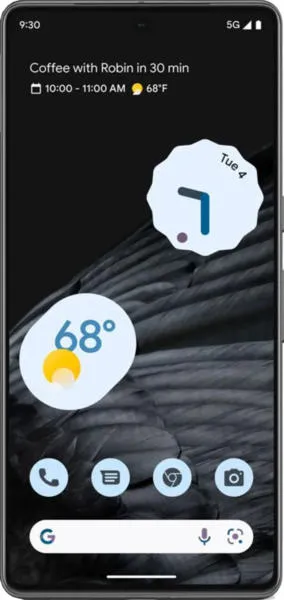
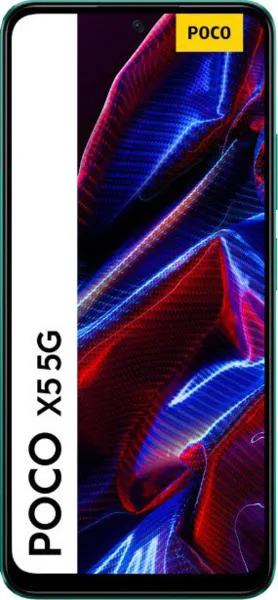
Google Pixel 7 Pro vs. Xiaomi Poco X5: A Deep Dive
Let's dissect the Google Pixel 7 Pro and the Xiaomi Poco X5, two compelling smartphones vying for your attention in the mid-range market. I'll break down their specs, analyze their real-world performance, and guide you toward the device that best fits your needs.
1. Specifications Breakdown
| Feature | Google Pixel 7 Pro | Xiaomi Poco X5 | Real-World Implications |
|---|---|---|---|
| Design | |||
| Dimensions (mm) | 162.9 x 76.6 x 8.9 | 165.9 x 76.2 x 8.0 | Pixel 7 Pro is slightly shorter, narrower, but thicker. Poco X5 is lighter. Negligible differences in hand feel for most users. |
| Weight (g) | 212 | 189 | Poco X5's lighter weight might be noticeable during extended use. |
| Build Materials | Aluminum frame, Gorilla Glass Victus | Plastic frame, Gorilla Glass 3 | Pixel boasts more premium materials contributing to durability and a more high-end feel. Poco X5's plastic frame may feel less robust. |
| Display | |||
| Size (inches) | 6.7 | 6.67 | Virtually identical screen real estate. |
| Resolution | 1440 x 3120 | 1080 x 2400 | Pixel 7 Pro offers significantly sharper visuals due to higher pixel density (512 ppi vs. 395 ppi). Noticeable in text clarity and image detail. |
| Refresh Rate (Hz) | 120 (LTPO) | 120 | Both offer smooth scrolling and animations. Pixel's LTPO allows for dynamic refresh rate adjustment, potentially saving battery. |
| Display Type | LTPO AMOLED | AMOLED | Both offer vibrant colors and deep blacks. Pixel's LTPO panel may offer slightly better power efficiency. |
| Performance | |||
| Chipset | Google Tensor G2 | Snapdragon 695 | Tensor G2 significantly outperforms the Snapdragon 695 in raw processing power and AI tasks. Impacts gaming, multitasking, and app loading times. |
| CPU | Octa-core (2x2.85 GHz Cortex-X1 & 2x2.35 GHz Cortex-A78 & 4x1.80 GHz Cortex-A55) | Octa-core (2x2.2 GHz Kryo 660 Gold & 6x1.7 GHz Kryo 660 Silver) | Pixel 7 Pro's CPU architecture is more powerful and efficient. |
| GPU | Mali-G710 MP7 | Adreno 619 | Pixel 7 Pro's GPU offers a substantial advantage in graphics performance, crucial for demanding games and graphical applications. |
| RAM | 12GB | 6/8GB | More RAM on Pixel allows for smoother multitasking and better handling of demanding applications. |
| Camera | |||
| Main Camera | 50MP | 48MP | Pixel's superior image processing and computational photography likely result in better image quality despite similar resolution. |
| Telephoto | 48MP (5x optical) | None | Pixel offers significant zoom capabilities, absent in the Poco X5. |
| Battery Life | |||
| Capacity (mAh) | 5000 | 5000 | Similar battery capacities, but real-world battery life will depend on software optimization and usage patterns. |
2. Key Insights
- Performance: The Pixel 7 Pro's Tensor G2 chip provides a significant performance advantage over the Poco X5's Snapdragon 695. This translates to faster app loading, smoother multitasking, and superior gaming capabilities.
- Camera: While both phones boast high-resolution main cameras, the Pixel 7 Pro excels in image processing and computational photography, likely delivering superior image quality. The dedicated telephoto lens on the Pixel is a major advantage for zoom photography.
- Display: The Pixel 7 Pro's higher resolution display offers sharper visuals, while the LTPO technology enables dynamic refresh rate adjustment for improved battery efficiency.
3. User Profiles and Recommendations
- Pixel 7 Pro: Ideal for users who prioritize performance, camera quality, a premium display, and the latest Android features. Excellent for power users, photographers, and content creators.
- Poco X5: Suitable for budget-conscious users who prioritize battery life, a large display, and adequate performance for everyday tasks. A good choice for casual users, social media enthusiasts, and light gamers.
4. Buying Decision Framework
- What is your budget? The Pixel 7 Pro is more expensive.
- What are your performance needs? For demanding tasks, the Pixel 7 Pro is a clear winner.
- How important is camera quality? The Pixel 7 Pro offers superior camera capabilities.
My Choice: I would choose the Google Pixel 7 Pro. The superior performance, camera system, and display quality are compelling. While the Poco X5 offers excellent value, the Pixel 7 Pro aligns better with my need for a powerful, versatile device with a top-tier camera and a smooth user experience. The Tensor G2's AI capabilities and the Pixel's consistent software updates are also major factors in my decision.
