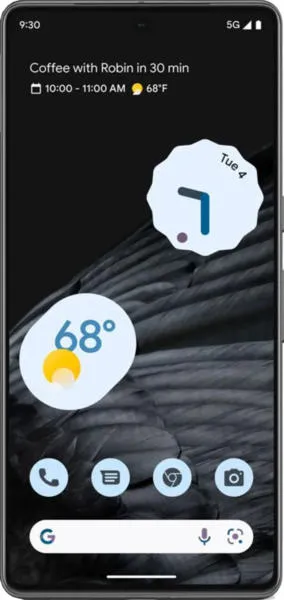
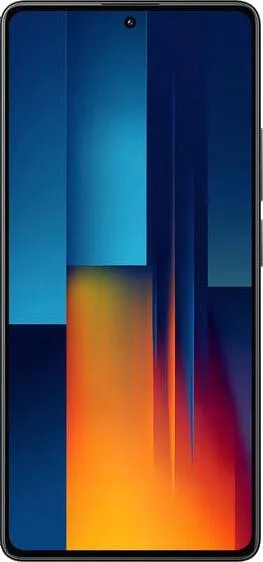
Let's dive into a comparative analysis of the Google Pixel 7 Pro and the Xiaomi Poco M6 Pro, dissecting their technical specifications and translating them into real-world implications for you.
1. Specifications Breakdown
| Feature | Google Pixel 7 Pro | Xiaomi Poco M6 Pro | Real-World Implications |
|---|---|---|---|
| Design | |||
| Dimensions (mm) | 162.9 x 76.6 x 8.9 | 161.1 x 75 x 8 | Pixel 7 Pro slightly taller and wider; both phones relatively slim. Poco M6 Pro lighter (179g vs 212g), noticeable in extended use. |
| Weight (g) | 212 | 179 | Poco M6 Pro feels less substantial, potentially impacting perceived quality; Pixel 7 Pro more premium feel. |
| Display | |||
| Display Type | LTPO AMOLED | AMOLED | Pixel's LTPO allows for dynamic refresh rate (10-120Hz), saving battery; Both offer vibrant colors and deep blacks. |
| Size (inches) | 6.7 | 6.67 | Negligible difference in screen real estate. |
| Resolution (px) | 1440 x 3120 | 1080 x 2400 | Pixel 7 Pro significantly sharper (512 ppi vs 395 ppi), noticeable in text clarity and image detail. |
| Refresh Rate (Hz) | 120 (adaptive) | 120 | Both offer smooth scrolling and animations; Pixel's adaptive rate optimizes for battery life. |
| Peak Brightness (nits) | 1500 | 1300 | Pixel 7 Pro slightly brighter outdoors, but both are generally sufficient. |
| Performance | |||
| Chipset | Google Tensor G2 (5 nm) | Mediatek Helio G99 Ultra | Tensor G2 significantly more powerful, especially in AI tasks and demanding applications; smoother multitasking and gaming on Pixel. |
| CPU | Octa-core (2x2.85 GHz Cortex-X1, ...) | Octa-core (2x2.2 GHz Cortex-A76, ...) | Pixel 7 Pro boasts higher clock speeds and more powerful cores, leading to superior overall performance. |
| GPU | Mali-G710 MP7 | Mali-G57 MC2 | Pixel 7 Pro offers substantially better graphics performance for demanding games and visually intensive applications. |
| RAM (GB) | 12 | 8 (up to 12GB in some variants) | More RAM on Pixel 7 Pro ensures smoother multitasking and better handling of background processes. |
| Camera | |||
| Main Camera (MP) | 50 | 64 | Pixel's superior image processing likely to produce better overall image quality despite lower megapixel count. |
| Telephoto | 48MP (5x optical zoom) | None | Pixel 7 Pro offers significant advantage in zoom capabilities for detailed long-range shots. |
| Ultrawide | 12MP | 8MP | Pixel 7 Pro likely to offer wider field of view and better low-light performance. |
| Battery Life | |||
| Capacity (mAh) | 5000 | 5000 | Similar battery capacity; Pixel's LTPO display and Tensor G2 efficiency may result in longer real-world usage. |
2. Key Insights
The Pixel 7 Pro clearly excels in performance, display sharpness, camera capabilities (especially zoom), and software features powered by Google's AI. The Tensor G2 chip provides a significant advantage in speed and responsiveness. The LTPO display, while subtly different in size from the Poco M6 Pro, provides a noticeable jump in sharpness and battery efficiency thanks to its dynamic refresh rate.
The Poco M6 Pro, however, shines in its value proposition. It offers a compelling combination of features, including a large AMOLED display with a 120Hz refresh rate, at a significantly lower price point. While its processor isn't as powerful, it's sufficient for everyday tasks and moderate gaming. It's also lighter than the Pixel.
3. User Profiles and Recommendations
Pixel 7 Pro: Ideal for power users, photographers, and those who prioritize a premium Android experience with the latest innovations. Excellent for demanding tasks, gaming, content creation, and capturing high-quality photos and videos.
Poco M6 Pro: A great choice for budget-conscious users who want a large, vibrant display, smooth performance for everyday tasks, and all-day battery life. Best suited for social media, web browsing, casual gaming, and general smartphone use.
4. Buying Decision Framework
Questions to Ask:
- What's your budget? The Poco M6 Pro is significantly more affordable.
- What are your primary use cases? Demanding tasks and photography? Pixel. Everyday use and casual gaming? Poco.
- How important is software and long-term updates? Pixel has a clear advantage here with Google's guaranteed updates and AI-powered features.
My Choice: Google Pixel 7 Pro
While the Poco M6 Pro offers excellent value, I would choose the Google Pixel 7 Pro. The superior performance, camera system (especially the telephoto lens), and the promise of timely software updates are crucial for my workflow and personal preferences. As a tech journalist, I need a phone that can handle demanding tasks, capture high-quality photos and videos on the go, and stay at the forefront of software innovation. The Pixel 7 Pro delivers on all fronts. The smoother performance, brighter and sharper display, and the overall refined experience are worth the price premium for me. The Poco M6 Pro is a commendable device for its price, but the Pixel 7 Pro better aligns with my needs and priorities.
