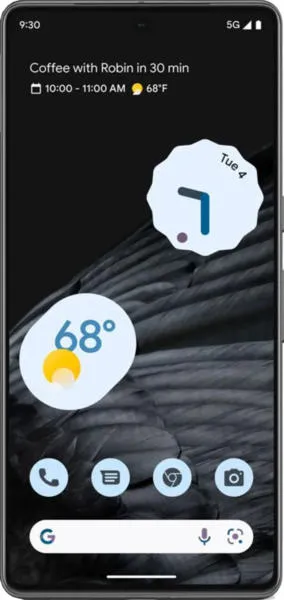
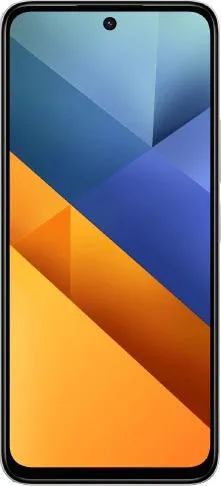
Google Pixel 7 Pro vs. Xiaomi Poco M6 4G: A Deep Dive
Let's dissect the Google Pixel 7 Pro and the Xiaomi Poco M6 4G, two smartphones targeting different segments of the market. We'll go beyond the spec sheet to understand what these differences mean for you, the user.
1. Specifications Breakdown
| Feature | Google Pixel 7 Pro | Xiaomi Poco M6 4G | Real-World Implications |
|---|---|---|---|
| Design | |||
| Dimensions (mm) | 162.9 x 76.6 x 8.9 | 168.6 x 76.3 x 8.3 | Pixel 7 Pro is slightly more compact. Poco M6 4G is thinner. |
| Weight (g) | 212 | 205 | Negligible difference in weight; both feel substantial in hand. |
| Build Materials | Aluminum frame, Gorilla Glass Victus | Plastic frame, Gorilla Glass 3 | Pixel feels more premium and offers better durability. Poco M6 4G prioritizes affordability. |
| Display | |||
| Display Type | LTPO AMOLED | IPS LCD | Pixel delivers vibrant colors, deeper blacks, and power efficiency due to LTPO. Poco M6 4G is basic but functional. |
| Size (inches) | 6.7 | 6.79 | Nearly identical screen real estate. |
| Resolution | 1440 x 3120 | 1080 x 2460 | Pixel boasts significantly sharper visuals (512 ppi vs. 396 ppi). |
| Refresh Rate | 120Hz | 90Hz | Pixel offers smoother scrolling and animations. |
| Performance | |||
| Chipset | Google Tensor G2 | Mediatek Helio G91 | Tensor G2 offers superior AI processing and overall performance. Helio G91 targets efficiency. |
| CPU | Octa-core (2x2.85 GHz Cortex-X1...) | Octa-core (2x2.0 GHz Cortex-A75...) | Pixel's CPU has higher clock speeds and more powerful cores, resulting in much faster performance. |
| RAM | 12GB | 8GB | Pixel's larger RAM enables better multitasking and smoother performance with demanding apps. |
| Camera | |||
| Main Camera | 50MP | 108MP | Pixel emphasizes image processing over raw megapixels, generally producing better real-world results. |
| Telephoto | 48MP (5x optical) | None | Clear advantage for Pixel with its dedicated telephoto lens for zoomed shots. |
| Ultrawide | 12MP | None | Another win for Pixel; ultrawide lens provides creative framing options. |
| Battery | |||
| Capacity (mAh) | 5000 | 5030 | Negligible difference in battery capacity. Real-world battery life will depend on usage patterns. |
| Price | Medium | Low | Pixel 7 Pro commands a higher price reflecting its premium features and performance. |
2. Key Insights
The Pixel 7 Pro excels in display quality, performance, camera versatility, and software experience. Its Tensor G2 chip delivers AI-powered features and blazing-fast performance. The camera system, while not boasting the highest megapixel count, consistently produces stunning images thanks to Google's computational photography prowess.
The Poco M6 4G, on the other hand, prioritizes affordability. While its performance is adequate for everyday tasks, it lags behind the Pixel significantly. The camera system, while featuring a high-resolution main sensor, lacks the versatility and advanced features of the Pixel.
3. User Profiles and Recommendations
Pixel 7 Pro: Ideal for users who demand top-tier performance, a brilliant display, a versatile camera system, and the latest Android features. Photographers, videographers, power users, and anyone who values a premium smartphone experience will appreciate the Pixel.
Poco M6 4G: Suited for budget-conscious users who prioritize basic functionality and long battery life. This device is a good option for casual users who primarily use their phones for communication, social media, and light web browsing.
4. Buying Decision Framework
- What is your budget? If price is a major constraint, the Poco M6 4G offers decent value. However, if you can stretch your budget, the Pixel 7 Pro is a significantly better phone overall.
- What are your primary smartphone needs? For demanding tasks like gaming, photography, and video editing, the Pixel is the clear winner. For basic communication and web browsing, the Poco M6 4G is sufficient.
- How important is software and long-term support? Pixel phones receive timely Android updates and security patches directly from Google, ensuring a smooth and secure experience for years to come. The Poco M6 4G's update schedule is less certain.
My Choice: Google Pixel 7 Pro
If I were choosing between these two phones, I would opt for the Google Pixel 7 Pro without hesitation. As a tech journalist focused on the interplay of hardware and software, I deeply value the Pixel's superior performance, its AI-driven capabilities, the consistently excellent camera, and the guaranteed long-term software support. While the Poco M6 4G offers compelling value for its price, the Pixel 7 Pro delivers a significantly more refined and future-proof experience that aligns with my needs and priorities. The smoother display, faster performance, and vastly superior camera system are worth the price premium for a power user like myself.
