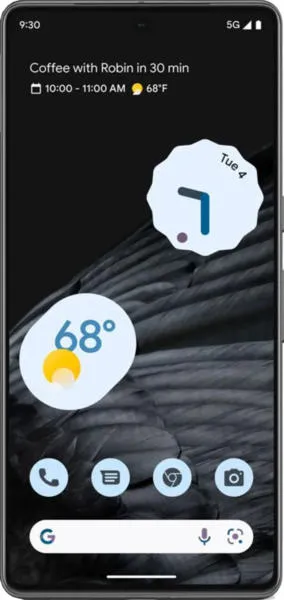
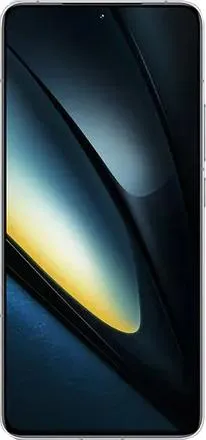
Google Pixel 7 Pro vs. Xiaomi Poco F6 Pro: A Deep Dive
Let's dissect the Google Pixel 7 Pro and the Xiaomi Poco F6 Pro, two compelling smartphones vying for your attention in the mid-range market. We'll go beyond the spec sheet to uncover what these numbers truly mean for your daily life.
1. Specifications Breakdown
| Feature | Google Pixel 7 Pro | Xiaomi Poco F6 Pro | Real-World Implications |
|---|---|---|---|
| Design | |||
| Dimensions (mm) | 162.9 x 76.6 x 8.9 | 160.9 x 75 x 8.2 | Poco F6 Pro is slightly more compact and thinner. |
| Weight (g) | 212 | 209 | Negligible difference in weight; both feel substantial in hand. |
| Display | |||
| Size (inches) | 6.7 | 6.67 | Virtually identical screen real estate. |
| Resolution (px) | 1440 x 3120 | 1440 x 3200 | Both offer sharp, high-resolution displays; Poco F6 Pro slightly taller aspect ratio. |
| Type | LTPO AMOLED | AMOLED | Pixel 7 Pro's LTPO panel allows for dynamic refresh rate, potentially saving battery. |
| Refresh Rate (Hz) | 120 | 120 | Both offer smooth scrolling and animations. |
| Peak Brightness | 1500 nits | 4000 nits | Poco F6 Pro boasts significantly higher peak brightness, improving outdoor visibility. |
| Performance | |||
| Chipset | Google Tensor G2 | Snapdragon 8 Gen 2 | Snapdragon 8 Gen 2 generally offers superior raw performance in benchmarks and demanding tasks. |
| CPU | Octa-core | Octa-core | Both have powerful CPUs, but the 8 Gen 2's architecture is newer and more efficient. |
| GPU | Mali-G710 MP7 | Adreno 740 | Adreno 740 delivers stronger graphics performance for gaming and visually intensive applications. |
| RAM (GB) | 12 | 12/16 | Poco F6 Pro offers a 16GB RAM option for even more aggressive multitasking. |
| Camera | |||
| Main Sensor (MP) | 50 | 50 | Comparable main camera resolution. Pixel's known for computational photography prowess. |
| Ultrawide (MP) | 12 | 8 | Pixel 7 Pro offers a higher resolution ultrawide lens. |
| Telephoto (MP) | 48 | N/A | Pixel 7 Pro features a dedicated telephoto lens for optical zoom, a significant advantage. |
| Battery Life | |||
| Capacity (mAh) | 5000 | 5000 | Identical battery capacity. Real-world battery life will depend on usage and optimization. |
2. Key Insights
Performance: The Poco F6 Pro, with the Snapdragon 8 Gen 2, pulls ahead in raw horsepower, making it ideal for demanding tasks and gaming. The Pixel 7 Pro, while powerful, prioritizes AI and machine learning capabilities with its Tensor G2 chip, excelling in areas like voice assistance, photography, and on-device processing.
Display: While both phones boast impressive displays, the Poco F6 Pro's exceptional peak brightness makes it a clear winner for outdoor use. The Pixel 7 Pro's LTPO technology, however, can dynamically adjust the refresh rate, leading to potential battery life savings.
Camera: Pixel's renowned computational photography consistently delivers excellent image quality. The dedicated telephoto lens on the Pixel 7 Pro offers a significant advantage over the Poco F6 Pro for capturing zoomed shots. The Poco F6 Pro's main camera holds promise, but real-world performance needs further evaluation.
3. User Profiles and Recommendations
Pixel 7 Pro: Best suited for users who prioritize a seamless software experience, exceptional camera performance (especially zoom), and value features like call screening and advanced AI capabilities. Ideal for photography enthusiasts, content creators, and those deeply embedded in the Google ecosystem.
Poco F6 Pro: A compelling choice for power users, mobile gamers, and those seeking top-tier performance at a competitive price. The brighter display is a boon for outdoor usage. Best for those who prioritize raw speed and value for money.
4. Buying Decision Framework
What are your top priorities? Prioritize camera quality and software experience? Choose the Pixel 7 Pro. Prioritize raw performance and gaming? Choose the Poco F6 Pro.
What's your budget? While both are mid-range, consider storage and RAM options, as the Poco F6 Pro offers more flexibility in these areas.
How important is outdoor visibility? If you frequently use your phone in bright sunlight, the Poco F6 Pro's superior peak brightness is a significant advantage.
My Choice: The Google Pixel 7 Pro
While the Poco F6 Pro boasts impressive specs on paper, I would choose the Google Pixel 7 Pro. My decision hinges on the following:
- Camera System: As a photography enthusiast, the Pixel's consistent excellence in image quality, combined with the versatility of the telephoto lens, is a major draw. Pixel's computational photography often outperforms competitors based on specs alone.
- Software Experience: I value the clean, bloatware-free Android experience on Pixel phones, along with the promise of timely updates and innovative Google features.
- Ecosystem Integration: Being heavily invested in the Google ecosystem, the seamless integration across services like Google Assistant, Photos, and Drive enhances my workflow.
While the Poco F6 Pro offers tempting performance, the Pixel 7 Pro better aligns with my personal needs and priorities, offering a compelling blend of performance, camera prowess, and a refined user experience.
