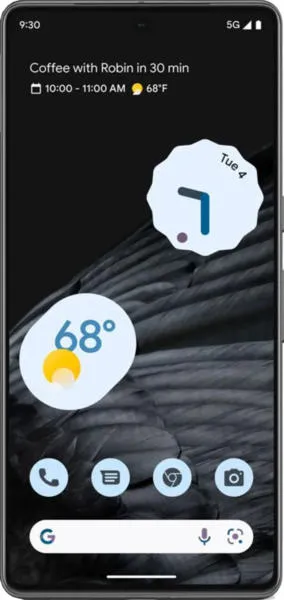
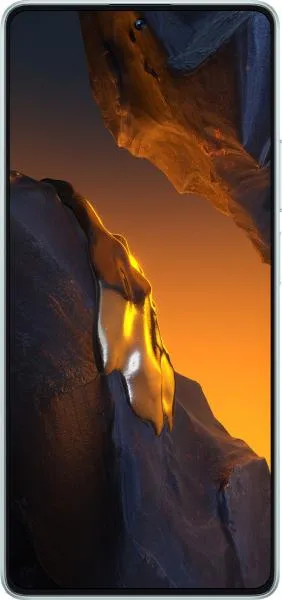
Google Pixel 7 Pro vs. Xiaomi Poco F5: A Deep Dive
Let's dissect the Google Pixel 7 Pro and the Xiaomi Poco F5, two compelling contenders in the mid-range smartphone arena. We'll go beyond the spec sheet, translating raw numbers into real-world experiences to help you decide which phone fits your lifestyle.
1. Specifications Breakdown
| Feature | Google Pixel 7 Pro | Xiaomi Poco F5 | Real-World Implications |
|---|---|---|---|
| Design | |||
| Dimensions (mm) | 162.9 x 76.6 x 8.9 | 161.1 x 75 x 7.9 | Pixel 7 Pro slightly taller and wider; both are slim. Poco F5 is noticeably lighter (212g vs 181g). |
| Build Materials | Aluminum frame, Gorilla Glass Victus | Glass front, plastic frame, plastic back | Pixel feels more premium; Poco prioritizes lightness. |
| Display | |||
| Display Type | LTPO AMOLED | AMOLED | Both offer vibrant colors and deep blacks. Pixel's LTPO allows for dynamic refresh rate, saving battery. |
| Resolution | 1440 x 3120 | 1080 x 2400 | Pixel has a sharper display (512 ppi vs 395 ppi), noticeable in fine text and images. |
| Refresh Rate | 1-120Hz | 120Hz | Pixel's adaptive refresh rate optimizes smoothness and battery life. |
| Performance | |||
| Chipset | Google Tensor G2 | Snapdragon 7+ Gen 2 | Benchmarking reveals Snapdragon edges out Tensor G2 in raw performance, especially in gaming. |
| RAM | 12GB | 8/12GB | Both offer ample RAM for multitasking; 12GB ensures smooth performance even with demanding apps. |
| Camera | |||
| Main Camera | 50MP, f/1.85 | 64MP, f/1.79 | Pixel's superior image processing often results in better real-world photos despite lower megapixel count. |
| Zoom | 5x Optical | Digital Only | Pixel's telephoto lens offers significantly better zoom capabilities. |
| Battery Life | |||
| Capacity | 5000mAh | 5000mAh | Similar battery capacities; real-world usage will depend on individual usage patterns and software optimization. |
| Charging | Fast charging | Fast charging | Both support fast charging; specific speeds may vary depending on the charger used. |
2. Key Insights
- Performance: While benchmarks favor the Poco F5, the Pixel 7 Pro's Tensor G2 excels in AI-powered tasks, like voice recognition and photography.
- Camera: The Pixel 7 Pro consistently delivers stunning photos with realistic colors and impressive dynamic range, leveraging Google's computational photography prowess. Poco F5 offers a higher resolution main sensor, but image quality depends heavily on lighting conditions.
- Display: The Pixel 7 Pro's LTPO AMOLED display with its adaptive refresh rate provides a smoother experience while conserving battery. Poco F5's AMOLED is vibrant, but lacks the dynamic refresh rate. Pixel's higher resolution screen is crisper.
- Software: Pixel offers a clean Android experience with guaranteed updates, while Poco's MIUI has added features but may include bloatware.
3. User Profiles and Recommendations
- Pixel 7 Pro: Ideal for users who prioritize camera quality, a premium user experience, timely software updates, and a smooth, responsive display. Best for photography enthusiasts, content creators, and those who value a clean Android experience.
- Poco F5: Best suited for budget-conscious users who prioritize raw performance, especially for gaming, and prefer a feature-rich UI.
4. Buying Decision Framework
- What matters most: Camera quality or raw performance? Pixel 7 Pro for camera; Poco F5 for gaming and processing power.
- Preferred software experience: Clean Android or feature-rich customization? Pixel for pure Android; Poco for MIUI.
- Budget constraints: Poco F5 generally offers a lower price point for comparable storage.
My Choice: Google Pixel 7 Pro
While the Poco F5 offers impressive performance for its price, I'd choose the Pixel 7 Pro. As a tech journalist, the consistently excellent camera is crucial for capturing high-quality photos and videos on the go. The smooth, high-resolution display enhances my content consumption experience. Furthermore, I value the clean Android OS with guaranteed updates and the seamless integration of Google's AI features. The slightly higher price is justified by the superior overall user experience and the long-term benefits of timely software support. The Pixel 7 Pro, in my view, strikes a better balance between performance, features, and user experience for my specific needs.
