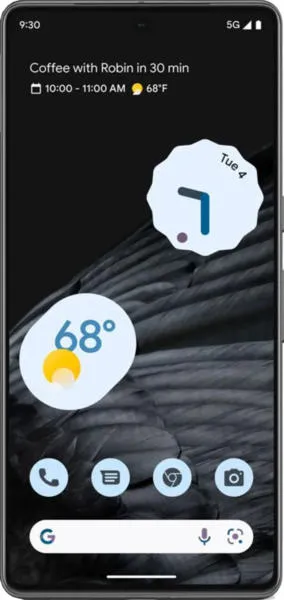
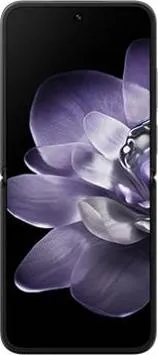
Google Pixel 7 Pro vs. Xiaomi Mix Flip: A Deep Dive
The smartphone landscape is ever-evolving, with the Pixel 7 Pro representing Google's refined flagship and the Mix Flip showcasing Xiaomi's foray into the foldable future. Let's dissect these devices, translating their specs into real-world experiences to help you decide which one fits your needs.
1. Specifications Breakdown
| Feature | Google Pixel 7 Pro | Xiaomi Mix Flip | Real-World Implications |
|---|---|---|---|
| Design | |||
| Form Factor | Slab | Foldable | Mix Flip offers portability and a smaller footprint when folded; Pixel 7 Pro provides a larger screen for single-hand use. |
| Dimensions (mm) | 162.9 x 76.6 x 8.9 | 167.5 x 74 x 7.6 | Pixel 7 Pro is slightly wider; Mix Flip is taller unfolded but significantly more compact folded. |
| Weight (g) | 212 | 190 | Mix Flip is noticeably lighter despite its larger unfolded display. |
| Display | |||
| Size (inches) | 6.7 | 6.86 | Mix Flip boasts a larger screen real estate when unfolded. |
| Resolution (px) | 1440 x 3120 | 1224 x 2912 | Pixel 7 Pro has a sharper display (higher pixel density). Mix Flip's aspect ratio is optimized for media consumption. |
| Type | LTPO AMOLED | Foldable LTPO AMOLED | Both offer vibrant colors and deep blacks, but Mix Flip's folding capability introduces a crease. |
| Refresh Rate (Hz) | 120 | 120 | Both deliver smooth scrolling and animations. |
| Peak Brightness | 1500 nits | 3000 nits | Mix Flip offers significantly better outdoor visibility. |
| Performance | |||
| Chipset | Google Tensor G2 | Snapdragon 8 Gen 3 | Snapdragon 8 Gen 3 generally benchmarks higher in raw performance; Tensor G2 excels in AI tasks. |
| CPU | Octa-core | Octa-core | Both offer powerful multi-tasking capabilities. Gen 3 is likely to have an edge in demanding games |
| RAM (GB) | 12 | 12 | Both provide ample memory for smooth operation. |
| Camera | |||
| Main Camera (MP) | 50 | 50 | Comparable main camera resolution; real-world performance will depend on image processing. |
| Telephoto (MP) | 48 | 60 | Mix Flip has a higher resolution telephoto lens, potentially offering better zoom capabilities. |
| Battery Life | |||
| Capacity (mAh) | 5000 | 4780 | Pixel 7 Pro has a slightly larger battery; real-world battery life depends on usage patterns and software optimization. |
2. Key Insights
- Pixel 7 Pro: Focuses on a refined Android experience, leveraging Google's AI prowess for features like photo processing and call screening. Its strengths lie in software, camera performance, and a seamless user interface.
- Mix Flip: Offers the novelty and portability of a foldable design. Its advantages include a larger display when unfolded, potentially superior zoom capabilities, and a striking form factor.
3. User Profiles and Recommendations
- Pixel 7 Pro: Ideal for users prioritizing a clean Android experience, excellent camera performance, and software features powered by Google's AI.
- Mix Flip: Best suited for users who value portability and a large screen in a compact device, are willing to embrace new technology, and prioritize the "cool" factor of a foldable phone.
4. Buying Decision Framework
- Is a foldable design a priority? If yes, the Mix Flip is the clear choice. If not, consider the other factors.
- How important is software experience? If a pure Android experience with Google's AI features is paramount, the Pixel 7 Pro is the better option.
- What's your budget? The Mix Flip is likely to be more expensive. Consider if the foldable form factor and its benefits justify the premium.
My Choice: As Alex Griffin, I would choose the Pixel 7 Pro. While the Mix Flip is intriguing, I prioritize the seamless software experience, consistent performance, and proven camera capabilities of the Pixel. The Tensor G2's AI enhancements align with my workflow, and I value the refined Android experience Google offers. The foldable technology, while impressive, isn't a compelling enough factor for me to outweigh the Pixel 7 Pro's advantages in other areas. I appreciate the slightly larger battery and the known quality of Google's camera processing. While the Mix Flip boasts higher megapixel counts in its telephoto lens, real-world image quality often hinges more on software and sensor quality than sheer resolution. I believe Google's track record in this area gives the Pixel 7 Pro an edge. Ultimately, the Pixel 7 Pro better suits my needs as a tech journalist and power user.
