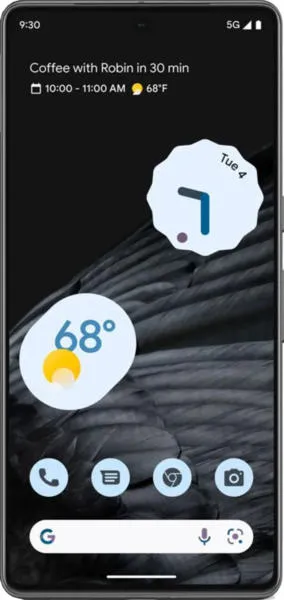
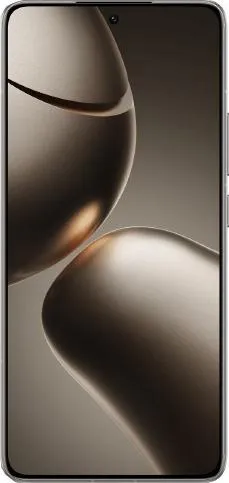
Google Pixel 7 Pro vs. Xiaomi 14T Pro: A Deep Dive
Let's dissect the Google Pixel 7 Pro and the Xiaomi 14T Pro, two powerful contenders in the smartphone arena. We'll go beyond the spec sheet to uncover what these numbers really mean for you.
1. Specifications Breakdown
| Feature | Google Pixel 7 Pro | Xiaomi 14T Pro | Real-World Implications |
|---|---|---|---|
| Design | |||
| Dimensions (mm) | 162.9 x 76.6 x 8.9 | 160.4 x 75.1 x 8.4 | Xiaomi 14T Pro is slightly more compact and thinner. |
| Weight (g) | 212 | 209 | Negligible weight difference in real-world usage. |
| Display | |||
| Size (inches) | 6.7 | 6.67 | Virtually identical screen real estate. |
| Resolution (px) | 1440 x 3120 | 1220 x 2712 | Pixel 7 Pro boasts a sharper display (higher pixel density). Noticeable in text and image clarity. |
| Refresh Rate (Hz) | 120 | 144 | 14T Pro offers smoother scrolling and animations, especially in gaming. |
| Peak Brightness | 1500 nits | 4000 nits | 14T Pro significantly brighter outdoors. |
| Display Type | LTPO AMOLED | AMOLED | Pixel 7 Pro's LTPO panel allows for more granular refresh rate control, potentially saving battery. |
| Performance | |||
| Chipset | Google Tensor G2 | Dimensity 9300+ | Both are powerful chips, but benchmarks will be needed to compare real-world performance. |
| CPU | Octa-core | Octa-core | Core configurations differ, impacting sustained performance and efficiency. |
| GPU | Mali-G710 MP7 | Immortalis-G720 | Gaming performance likely favors the 14T Pro with its newer GPU. |
| RAM (GB) | 12 | 12 | Both offer ample RAM for multitasking. |
| Camera | |||
| Main Sensor (MP) | 50 | 50 | Similar resolution, but sensor and lens specifics will determine image quality. |
| Telephoto (MP) | 48 | 50 | 14T Pro offers slightly higher telephoto resolution. |
| Ultrawide (MP) | 12 | 12 | Similar ultrawide resolution. Lens quality and software processing will be key differentiators. |
| Battery Life | |||
| Capacity (mAh) | 5000 | 5000 | Identical battery capacity. Real-world battery life depends on optimization and usage patterns. |
2. Key Insights
- Display: The Xiaomi 14T Pro's 144Hz refresh rate and incredible 4000 nits peak brightness are standouts. However, the Pixel 7 Pro's sharper display, thanks to the higher resolution, will appeal to those prioritizing crisp visuals. The Pixel's LTPO display offers potential battery life advantages.
- Performance: While both phones pack powerful processors, the newer Dimensity 9300+ in the 14T Pro, combined with the Immortalis G720 GPU, likely edges out the Pixel 7 Pro in raw performance and especially in gaming scenarios.
- Camera: Both phones feature impressive camera systems. Real-world image and video quality will depend on factors beyond megapixel count, including sensor size, lens quality, and computational photography algorithms. Xiaomi's partnership with Leica might offer a unique photographic experience.
- Software: Pixel phones are known for their clean Android experience and timely updates. Xiaomi's MIUI offers more customization but can feel less refined.
3. User Profiles and Recommendations
- Pixel 7 Pro: Ideal for users prioritizing a clean Android experience, timely software updates, a sharp display, and Google's computational photography prowess.
- Xiaomi 14T Pro: Best suited for power users, gamers, and those who value a brighter display with a faster refresh rate. The potentially superior hardware makes it a multimedia powerhouse.
4. Buying Decision Framework
- What is your priority: software experience or hardware power? Pixel for clean Android, Xiaomi for performance.
- How important is display quality and brightness? Pixel for sharpness, Xiaomi for brightness and smoothness.
- What is your budget? Pricing will be a crucial factor in the final decision. Historically, Xiaomi offers more aggressive pricing.
My Choice: Xiaomi 14T Pro
While I deeply appreciate the Pixel's clean software and camera performance, the Xiaomi 14T Pro's hardware advancements, particularly the display and processor, are compelling. The significant jump in peak brightness, coupled with the higher refresh rate and potentially more powerful GPU, makes the 14T Pro a future-proof choice for demanding tasks and multimedia consumption. As a tech enthusiast who values pushing the boundaries of mobile technology, the 14T Pro's cutting-edge specs align more closely with my needs.
