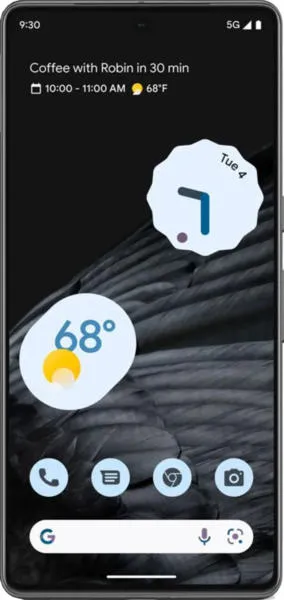
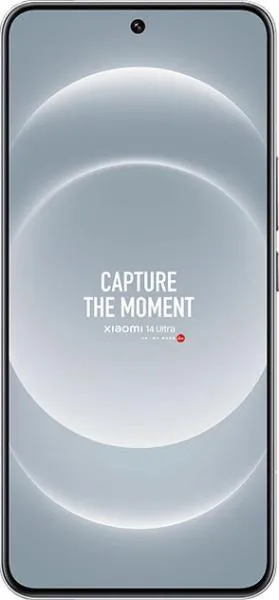
Let's dive into a comprehensive comparison of the Google Pixel 7 Pro and the Xiaomi 14 Ultra, dissecting their specifications and uncovering what they truly offer the everyday user.
1. Specifications Breakdown
| Feature | Google Pixel 7 Pro | Xiaomi 14 Ultra | Real-World Implications |
|---|---|---|---|
| Design | |||
| Dimensions (mm) | 162.9 x 76.6 x 8.9 | 161.4 x 75.3 x 9.2 | Xiaomi 14 Ultra is slightly shorter and narrower, but a bit thicker. Negligible difference in hand. |
| Weight (g) | 212 | 229.5 | Xiaomi 14 Ultra is noticeably heavier. |
| Build Materials | Aluminum frame, Gorilla Glass Victus | Aluminum frame, Gorilla Glass Victus | Similar durability. |
| Display | |||
| Size (inches) | 6.7 | 6.73 | Virtually identical screen sizes. |
| Resolution (px) | 1440 x 3120 | 1440 x 3200 | Xiaomi has a slightly taller aspect ratio, minimal difference in sharpness. |
| Type | LTPO AMOLED | LTPO AMOLED | Both offer excellent color accuracy, contrast, and power efficiency. |
| Refresh Rate (Hz) | 120 | 120 | Smooth scrolling and animations on both. |
| Peak Brightness (nits) | 1500 | 3000 | Xiaomi 14 Ultra offers significantly better outdoor visibility. |
| Performance | |||
| Chipset | Google Tensor G2 | Snapdragon 8 Gen 3 | Snapdragon 8 Gen 3 generally benchmarks higher in raw performance. |
| CPU | Octa-core (2x2.85 GHz Cortex-X1 & 2x2.35 GHz Cortex-A78 & 4x1.80 GHz Cortex-A55) | Octa-core (1x3.3 GHz Cortex-X4 & 3x3.2 GHz Cortex-A720 & 2x3.0 GHz Cortex-A720 & 2x2.3 GHz Cortex-A520) | Snapdragon should offer faster processing speeds and better multitasking. |
| RAM (GB) | 12 | 16 | More RAM on Xiaomi allows for more apps to run in the background without slowdowns. |
| GPU | Mali-G710 MP7 | Adreno 750 | Adreno 750 generally offers better gaming performance. |
| Camera | |||
| Main Camera (MP) | 50 | 50 | Both have high-resolution main sensors, but image quality depends on processing and sensor size. |
| Ultrawide (MP) | 12 | 50 | Xiaomi boasts a significantly higher resolution ultrawide, capturing more detail. |
| Telephoto (MP) | 48 | 50 + 50 | Xiaomi offers dual telephoto lenses for greater zoom versatility. |
| Video | Up to 4K@60fps | Up to 8K@30fps | Xiaomi offers higher resolution video recording. |
| Battery Life | |||
| Capacity (mAh) | 5000 | 5000 | Similar battery capacities, actual battery life depends on usage and optimization. |
2. Key Insights
- Performance: The Xiaomi 14 Ultra, with the Snapdragon 8 Gen 3, is likely to deliver superior performance in benchmarks and demanding tasks. However, the Pixel 7 Pro's Tensor G2 excels in AI-powered features and computational photography. In daily use, both will feel very fast.
- Camera: The Xiaomi 14 Ultra's camera system is more versatile with its dual telephoto lenses and a higher-resolution ultrawide sensor. However, Pixel's renowned computational photography prowess could deliver comparable or even superior image quality in certain scenarios, especially in low light.
- Display: The Xiaomi 14 Ultra's brighter display is a clear advantage for outdoor visibility. While both displays offer smooth refresh rates, the Xiaomi's higher peak brightness will be noticeable in direct sunlight.
- Software: Pixel phones are known for their clean Android experience and timely updates. Xiaomi's MIUI adds features but can feel less refined to some.
3. User Profiles and Recommendations
- Pixel 7 Pro: Best for users who prioritize a clean Android experience, timely software updates, a compact form factor, and excellent camera performance, especially in low light.
- Xiaomi 14 Ultra: Ideal for power users who demand top-tier performance, the most versatile camera system, a brighter display for outdoor use, and don't mind a slightly heavier phone.
4. Buying Decision Framework
- What kind of Android experience do you prefer? Clean and stock Android (Pixel) or feature-rich with customizations (Xiaomi)?
- Is camera versatility or overall image quality more important? Xiaomi offers more lenses, but Pixel excels in computational photography.
- What's your budget? The Xiaomi 14 Ultra is typically more expensive. Is the extra cost justified by its advantages?
My Choice: Xiaomi 14 Ultra
While the Pixel 7 Pro offers a compelling package, I would choose the Xiaomi 14 Ultra. The decision hinges on a few key factors:
- Future-proofing: The Snapdragon 8 Gen 3 provides a significant performance leap, ensuring the phone remains snappy for years to come. While the Tensor G2 is no slouch, raw horsepower matters for long-term usability.
- Camera Versatility: The dual telephoto lenses on the Xiaomi offer flexibility that I find invaluable. The high-resolution ultrawide is a significant bonus, enabling detailed landscape and group shots. While I respect Pixel's image processing, having more optical options empowers my creativity.
- Brighter Display: Living in a sunny climate, a display that can stand up to bright sunlight is crucial. The Xiaomi's 3000 nit peak brightness ensures comfortable outdoor use.
While I might miss the pure Android experience of the Pixel, the Xiaomi 14 Ultra's advantages in performance, camera system, and display ultimately make it the more compelling device for my needs. The slightly heavier weight is a trade-off I'm willing to make for the significant hardware upgrades.
