Google Pixel 7 Pro vs. Xiaomi 13T Pro: A Deep Dive
Let's dissect the Google Pixel 7 Pro and the Xiaomi 13T Pro, two compelling contenders in the smartphone arena. We'll go beyond the spec sheet to uncover what these numbers truly mean for your daily life.
1. Specifications Breakdown
| Feature | Google Pixel 7 Pro | Xiaomi 13T Pro | Real-World Implications | Category |
|---|---|---|---|---|
| Design | ||||
| Dimensions (mm) | 162.9 x 76.6 x 8.9 | 162.2 x 75.7 x 8.5 | Xiaomi is slightly more compact and lighter. | Design |
| Weight (g) | 212 | 200 | Noticeable difference in hand, Xiaomi might feel less bulky. | Design |
| Display | ||||
| Size (inches) | 6.7 | 6.67 | Negligible difference in screen real estate. | Display |
| Resolution (px) | 1440 x 3120 | 1220 x 2712 | Pixel 7 Pro boasts sharper visuals due to higher pixel density. | Display |
| Refresh Rate (Hz) | 120 (LTPO) | 144 | 13T Pro offers smoother scrolling and animations, though not LTPO. | Display |
| Peak Brightness | 1500 nits | 2600 nits | 13T Pro significantly brighter outdoors. | Display |
| Performance | ||||
| Chipset | Google Tensor G2 | Dimensity 9200+ | Both are powerful, but benchmarks favor Dimensity for raw power. | Performance |
| RAM (GB) | 12 | 12 | Ample memory for multitasking on both devices. | Performance |
| Camera | ||||
| Main Sensor (MP) | 50 | 50 | Comparable resolution, but sensor and processing differ. | Camera |
| Telephoto (MP) | 48 | 50 | Both offer strong telephoto capabilities. | Camera |
| Battery Life | ||||
| Capacity (mAh) | 5000 | 5000 | Similar battery capacity, real-world usage will vary. | Battery Life |
2. Key Insights
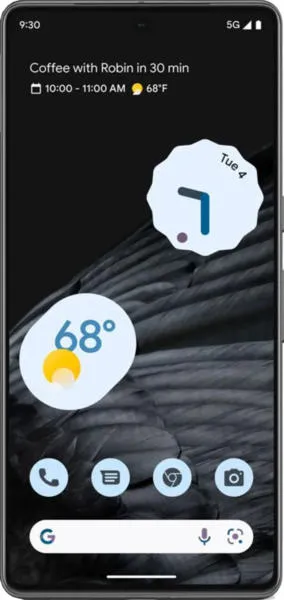
- Display: While the 13T Pro boasts a higher refresh rate and significantly brighter display, the Pixel 7 Pro's LTPO panel allows for dynamic refresh rate adjustment, potentially saving battery. The Pixel also edges out in sharpness.
- Performance: The Dimensity 9200+ generally benchmarks higher, suggesting a potential advantage in demanding tasks. However, the Tensor G2 excels in AI and machine learning tasks, powering Pixel's unique features.
- Camera: Both phones pack impressive camera hardware. The Pixel's strength lies in Google's computational photography, renowned for its image processing. Xiaomi emphasizes hardware prowess with a Leica-tuned lens and larger sensors. Real-world image comparisons are crucial here.
- Software: Pixel offers a clean Android experience with guaranteed updates, while Xiaomi's MIUI adds customization but may have bloatware.
3. User Profiles and Recommendations
- Pixel 7 Pro: Best for users prioritizing a pure Android experience, consistent updates, top-notch camera processing, and a sharp display. Ideal for photographers, content creators who value ease of use, and those who want a phone that "just works."
- Xiaomi 13T Pro: Suitable for power users seeking maximum performance, a super bright and smooth display, and extensive customization options. Gamers, multitaskers, and those who enjoy tweaking their phone's settings would appreciate the 13T Pro.
4. Buying Decision Framework
- What kind of software experience do you prefer? Clean Android (Pixel) or feature-rich and customizable (Xiaomi)?
- Is camera processing or hardware specs more important for your photography needs?
- Do you prioritize display brightness and smoothness over sharpness and battery efficiency?
My Choice: Google Pixel 7 Pro
While the Xiaomi 13T Pro boasts impressive hardware, I'd choose the Pixel 7 Pro. My decision hinges on the following:
- Seamless Software: I value the clean, bloatware-free Android experience with guaranteed updates that Pixel offers. This ensures smooth performance and timely access to new features.
- Camera Prowess: Google's computational photography consistently delivers stunning results, and I prioritize image quality over sheer sensor size.
- LTPO Display: The adaptive refresh rate on the Pixel strikes a good balance between smoothness and battery life, a trade-off I'm willing to make for extended usage.
Ultimately, the Pixel 7 Pro aligns better with my personal preferences for software, camera performance, and overall user experience. However, the Xiaomi 13T Pro remains a strong contender, particularly for users prioritizing raw performance and display brilliance.
