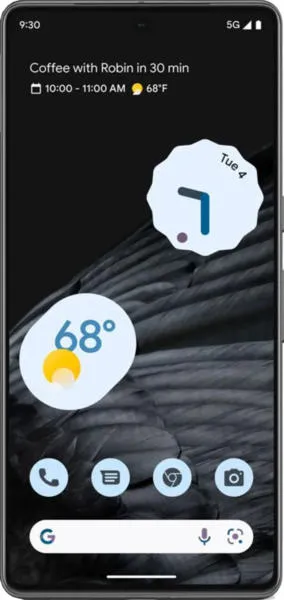
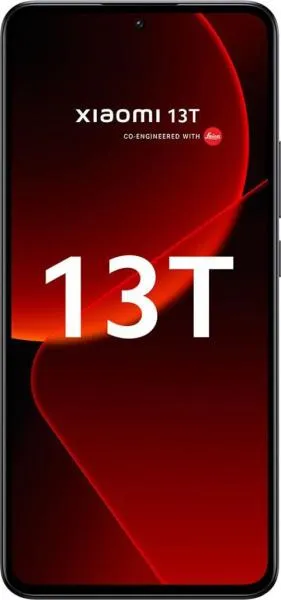
Google Pixel 7 Pro vs. Xiaomi 13T: A Deep Dive for the Discerning Smartphone User
The smartphone market is a battlefield, and two contenders vying for your attention are the Google Pixel 7 Pro and the Xiaomi 13T. Both boast impressive specs on paper, but let's dissect what those numbers truly mean for your daily life. As a tech journalist with an engineering background, I'll guide you through a comprehensive comparison, translating complex jargon into practical insights.
1. Specifications Breakdown
| Feature | Google Pixel 7 Pro | Xiaomi 13T | Real-World Implications |
|---|---|---|---|
| Design | |||
| Dimensions (mm) | 162.9 x 76.6 x 8.9 | 162.2 x 75.7 x 8.5 | Xiaomi 13T is slightly more compact and lighter. |
| Weight (g) | 212 | 193 | Noticeable difference in hand; 13T feels less bulky. |
| Display | |||
| Size (inches) | 6.7 | 6.67 | Negligible difference in screen real estate. |
| Resolution (px) | 1440 x 3120 | 1220 x 2712 | Pixel 7 Pro offers significantly sharper visuals due to higher pixel density. |
| Refresh Rate (Hz) | 120 (LTPO) | 144 | 13T has a smoother scrolling experience, but Pixel 7 Pro's LTPO allows for dynamic refresh rate adjustments, conserving battery. |
| Peak Brightness | 1500 nits | 2600 nits | 13T's display is dramatically brighter for better outdoor visibility. |
| Performance | |||
| Chipset | Google Tensor G2 | Dimensity 8200 Ultra | Both are powerful chips, but Tensor G2 excels in AI tasks and image processing. Dimensity 8200 Ultra may offer better raw performance in some benchmarks. |
| RAM (GB) | 12 | 12 | Ample memory for multitasking on both devices. |
| Camera | |||
| Main Sensor (MP) | 50 (Samsung GN1) | 50 (Sony IMX707) | Both utilize high-quality sensors; real-world image quality will depend on processing. |
| Telephoto (MP) | 48 | 50 | Similar telephoto capabilities, though lens quality and zoom range need further investigation. |
| Ultrawide (MP) | 12 | 13 | Minor difference in ultrawide resolution. |
| Battery Life | |||
| Capacity (mAh) | 5000 | 5000 | Similar battery capacities; real-world usage will depend on optimization and display usage. |
2. Key Insights
- Display: The Xiaomi 13T boasts a higher refresh rate and peak brightness, making it ideal for gaming and outdoor use. However, the Pixel 7 Pro's sharper display and LTPO technology offer a more refined visual experience and potentially better battery life.
- Performance: The Tensor G2's AI prowess gives the Pixel 7 Pro an edge in computational photography and features like voice recognition. The Dimensity 8200 Ultra might offer a slight advantage in raw processing power for demanding games.
- Camera: Both phones feature impressive camera hardware, but Google's computational photography algorithms traditionally give Pixel phones an advantage in image quality. Xiaomi has been improving rapidly, so real-world comparisons are crucial.
- Software: Pixel offers a pure Android experience with guaranteed updates, while Xiaomi's MIUI offers more customization options but may come with bloatware.
3. User Profiles and Recommendations
- Pixel 7 Pro: Best suited for users who prioritize a clean software experience, exceptional camera performance, and a vibrant display. Ideal for photography enthusiasts, content creators, and those who value timely software updates.
- Xiaomi 13T: A great choice for gamers, power users, and those who demand the highest refresh rates and brightness. Its compelling price-to-performance ratio makes it an attractive option for budget-conscious buyers.
4. Buying Decision Framework
- What is your primary use case? Photography and software purity? Pixel 7 Pro. Gaming and media consumption? Xiaomi 13T.
- How important is display brightness and refresh rate? If crucial, the 13T's 144Hz and 2600 nits are hard to beat.
- What is your budget? The Xiaomi 13T generally offers a more competitive price point.
My Choice: The Google Pixel 7 Pro
While the Xiaomi 13T offers tempting specs like the brighter display and higher refresh rate, I would choose the Google Pixel 7 Pro. The deciding factors for me are the superior camera experience consistently delivered by Google's computational photography, the clean and regularly updated Android software, and the overall more refined user experience. The slightly lower refresh rate and peak brightness are trade-offs I'm willing to make for the Pixel's strengths in areas I prioritize. The tighter integration of hardware and software on the Pixel generally leads to a more polished and enjoyable daily use experience. Ultimately, the Pixel 7 Pro aligns better with my personal preferences and priorities.
