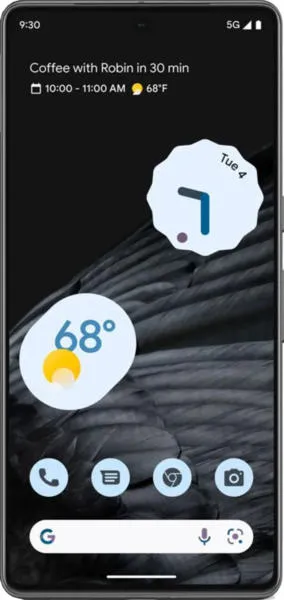
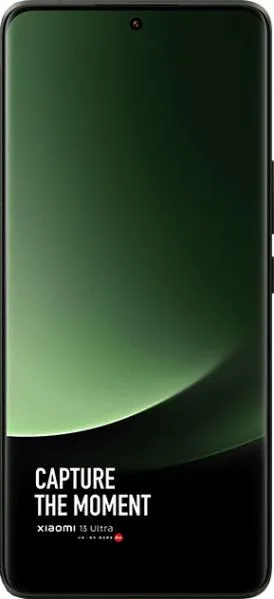
Google Pixel 7 Pro vs. Xiaomi 13 Ultra: A Deep Dive for the Discerning Smartphone User
Hello fellow tech enthusiasts! Alex Griffin here, ready to dissect the Google Pixel 7 Pro and the Xiaomi 13 Ultra. These two flagship smartphones boast impressive specs, but let's cut through the marketing jargon and uncover what truly matters: real-world performance and how these devices enhance your daily life.
1. Specifications Breakdown
| Feature | Google Pixel 7 Pro | Xiaomi 13 Ultra | Real-World Implications |
|---|---|---|---|
| Design | |||
| Dimensions (mm) | 162.9 x 76.6 x 8.9 | 163.2 x 74.6 x 9.1 | Xiaomi is slightly larger and heavier; both feel premium but pocket-ability might be a factor for some. |
| Weight (g) | 212 | 227 | Noticeable difference in hand; Xiaomi's heft might convey a more substantial feel, but could be tiring for extended use. |
| Display | |||
| Size (inches) | 6.7 | 6.73 | Negligible difference in screen real estate. |
| Resolution (px) | 1440 x 3120 | 1440 x 3200 | Both offer incredibly sharp visuals; Xiaomi edges out slightly in pixel density. |
| Type | LTPO AMOLED | LTPO AMOLED | Both excel in vibrant colors, deep blacks, and power efficiency due to adaptive refresh rates. |
| Peak Brightness | 1500 nits | 2600 nits | Xiaomi's significantly higher peak brightness ensures exceptional outdoor visibility. |
| Performance | |||
| Chipset | Google Tensor G2 | Snapdragon 8 Gen 2 | Snapdragon generally benchmarks higher in raw power, but Tensor G2 excels in AI and machine learning tasks. |
| RAM (GB) | 12 | 12/16 | Both offer ample RAM for smooth multitasking; Xiaomi's 16GB option provides headroom for future-proofing. |
| Camera | |||
| Main Sensor (MP) | 50 | 50 | Comparable resolution; Xiaomi utilizes a larger 1-inch sensor for potentially better low-light performance. |
| Lens System | Triple | Quadruple | Xiaomi offers a more versatile camera system with an additional periscope telephoto lens. |
| Battery Life | |||
| Capacity (mAh) | 5000 | 5000 | Similar battery capacities; real-world battery life will depend on usage and optimization. |
2. Key Insights
- Display: While both phones boast stunning AMOLED displays, the Xiaomi 13 Ultra's 2600 nits peak brightness is a game-changer for outdoor use. The Pixel 7 Pro's 1500 nits is bright, but the Xiaomi will be significantly easier to read in direct sunlight.
- Performance: The Snapdragon 8 Gen 2 in the Xiaomi 13 Ultra generally delivers superior benchmark scores, translating to potentially faster app loading and smoother gaming. However, the Tensor G2's AI prowess shines in areas like voice assistance, real-time translation, and computational photography. The Pixel leverages AI for unique features like Magic Eraser and Photo Unblur.
- Camera: The Xiaomi 13 Ultra's quad-camera system, featuring a 1-inch primary sensor and a variable aperture, provides remarkable flexibility and potential for exceptional image quality, especially in challenging lighting conditions. The Pixel 7 Pro, while having a less versatile camera setup, relies heavily on Google's computational photography algorithms to produce stunning images.
- Software and Ecosystem: The Pixel 7 Pro offers a pure Android experience with guaranteed timely updates and seamless integration with Google services. The Xiaomi 13 Ultra runs MIUI, which offers customization options but may come with bloatware and potentially slower updates.
3. User Profiles and Recommendations
- Pixel 7 Pro: Ideal for users who prioritize a clean, smooth Android experience, value Google's AI-powered features, and want a reliable phone with a great camera at a more affordable price.
- Xiaomi 13 Ultra: Best suited for power users, photography enthusiasts, and those who demand top-tier hardware and cutting-edge camera technology. The price reflects the premium experience.
4. Buying Decision Framework
- What's your budget? The Pixel 7 Pro falls in the medium price range, while the Xiaomi 13 Ultra is a high-end device.
- Are you a photography enthusiast? If capturing stunning images is your top priority, the Xiaomi 13 Ultra's advanced camera system might be worth the investment.
- Do you prioritize a pure Android experience with timely updates? If so, the Pixel 7 Pro is the clear winner.
My Choice: The Google Pixel 7 Pro
While the Xiaomi 13 Ultra boasts impressive hardware, I would choose the Pixel 7 Pro. The cleaner software experience, guaranteed updates, and Google's seamless ecosystem integration are paramount for me. The Pixel's camera, while less versatile on paper, still delivers exceptional results thanks to computational photography. Finally, the price difference is significant, and the Pixel 7 Pro provides incredible value for its cost. For my daily needs and preferences, the Pixel strikes the perfect balance between performance, features, and price.
