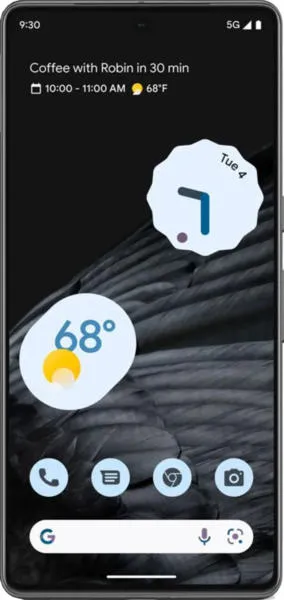
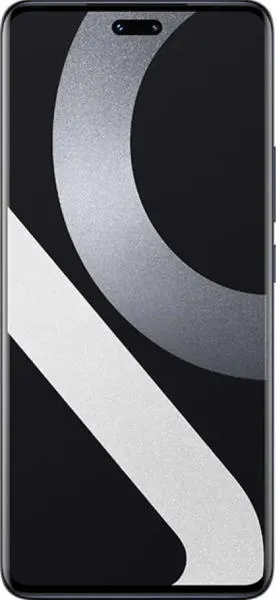
Google Pixel 7 Pro vs. Xiaomi 13 Lite: A Deep Dive
Let's dissect the Google Pixel 7 Pro and the Xiaomi 13 Lite, moving beyond the spec sheet to uncover what these phones truly offer in the real world.
1. Specifications Breakdown
| Feature | Google Pixel 7 Pro | Xiaomi 13 Lite | Real-World Implications |
|---|---|---|---|
| Design | |||
| Dimensions (mm) | 162.9 x 76.6 x 8.9 | 159.2 x 72.7 x 7.2 | Pixel 7 Pro is slightly larger and heavier; Xiaomi 13 Lite is more compact and pocketable. |
| Weight (g) | 212 | 171 | Noticeable difference in hand; prolonged use might favor the lighter Xiaomi. |
| Display | |||
| Size (inches) | 6.7 | 6.55 | Pixel offers a larger screen for immersive content; Xiaomi provides ample screen real estate. |
| Resolution (px) | 1440 x 3120 | 1080 x 2400 | Pixel boasts significantly sharper visuals; Xiaomi's display is still crisp for everyday use. |
| Refresh Rate (Hz) | 120 (LTPO) | 120 | Both offer smooth scrolling and animations, but Pixel's LTPO allows for dynamic refresh rate saving battery |
| Display Type | LTPO AMOLED | AMOLED | Both offer vibrant colors and deep blacks; Pixel's LTPO provides potential power efficiency benefits. |
| Performance | |||
| Chipset | Google Tensor G2 | Snapdragon 7 Gen 1 | Pixel's Tensor G2 is optimized for AI and machine learning tasks; Snapdragon 7 Gen 1 focuses on balanced performance. |
| CPU | Octa-core | Octa-core | Both offer capable performance, but benchmarks would reveal the Tensor G2's higher peak performance. |
| RAM (GB) | 12 | 8 | Pixel's extra RAM allows for smoother multitasking and demanding applications. |
| Camera | |||
| Main Camera (MP) | 50 | 50 | Comparable resolution; image quality will depend on sensor and processing. |
| Telephoto | 48 MP (5x optical) | None | Pixel offers superior zoom capabilities for distant subjects. |
| Selfie Camera (MP) | 10.8 | 32+8 | Xiaomi boasts higher resolution selfie cameras with a dedicated depth sensor. |
| Battery Life | |||
| Capacity (mAh) | 5000 | 4500 | Pixel has a larger battery capacity, suggesting potentially longer usage time. |
2. Key Insights
Pixel 7 Pro: The Powerhouse: It excels in raw performance, display sharpness, camera versatility (especially zoom), and potentially longer battery life. The Tensor G2 chip, coupled with ample RAM, ensures a smooth and responsive user experience, particularly for demanding tasks and AI-driven features.
Xiaomi 13 Lite: The Compact Contender: It prioritizes a sleek, lightweight design and a strong selfie camera setup. While its performance might not match the Pixel's peak power, the Snapdragon 7 Gen 1 is no slouch and will handle most everyday tasks with ease.
Trade-offs: The Pixel 7 Pro's superior features come with a larger footprint and potentially higher price. The Xiaomi 13 Lite sacrifices some performance and camera versatility for a more pocketable design and attractive price point.
3. User Profiles and Recommendations
Pixel 7 Pro: Ideal for power users, photographers, and those who value a top-tier display and performance. It shines in demanding workflows, mobile gaming, and capturing high-quality photos and videos.
Xiaomi 13 Lite: Well-suited for users who prioritize a slim and lightweight design, excellent selfie capabilities, and a more affordable price. It's a great choice for social media enthusiasts, casual photographers, and those seeking a stylish and reliable daily driver.
4. Buying Decision Framework
Questions to Ask Yourself:
- What is your budget? The Pixel 7 Pro generally sits in a higher price bracket.
- What are your photography priorities? Zoom capability versus strong selfies?
- Do you prioritize performance or portability? A larger, more powerful phone versus a slimmer, lighter device?
Scenario-Based Recommendations:
- Heavy multitasker, mobile gamer: Pixel 7 Pro.
- Social media enthusiast, selfie lover: Xiaomi 13 Lite.
- Budget-conscious user seeking a balanced experience: Xiaomi 13 Lite.
My Choice: Google Pixel 7 Pro
While the Xiaomi 13 Lite offers an attractive package, I would choose the Google Pixel 7 Pro. The superior display, the Tensor G2's AI capabilities, the versatile camera system with a dedicated telephoto lens, and the larger battery are compelling advantages. I prioritize a smooth, powerful user experience and high-quality photography, making the Pixel 7 Pro a better fit for my needs. While heavier, the benefits outweigh the added weight. The enhanced capabilities, particularly in areas like computational photography and AI-driven features, would significantly enhance my daily workflow and creative pursuits.
