Google Pixel 7 Pro vs. Xiaomi 13: A Deep Dive for the Discerning User
The smartphone landscape is a battlefield, and two titans clashing for your attention are the Google Pixel 7 Pro and the Xiaomi 13. Both boast impressive specs, but understanding their nuances is crucial for choosing the right device. Let's dissect these phones, translating engineering jargon into real-world impact.
1. Specifications Breakdown
| Feature | Google Pixel 7 Pro | Xiaomi 13 | Real-World Implications |
|---|---|---|---|
| Design | |||
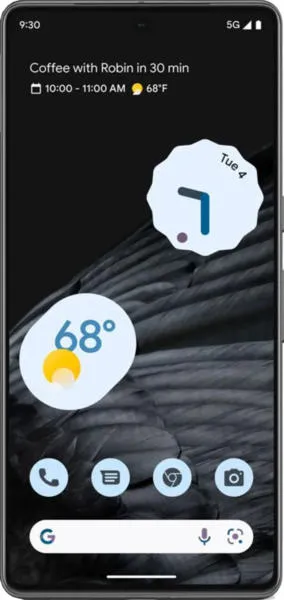
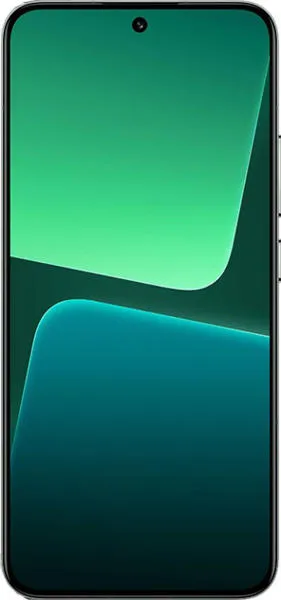
| Dimensions (mm) | 162.9 x 76.6 x 8.9 | 152.8 x 71.5 x 8.0 | Xiaomi 13 is noticeably more compact and lighter, potentially improving one-handed usability. |
| Weight (g) | 212 | 185 | Xiaomi 13's lighter weight enhances portability and reduces hand fatigue. |
| Display | |||
| Size (inches) | 6.7 | 6.36 | Pixel 7 Pro offers a larger screen for immersive content consumption. |
| Resolution (px) | 1440 x 3120 | 1080 x 2400 | Pixel 7 Pro boasts sharper visuals due to its higher resolution. |
| Refresh Rate (Hz) | 120 (LTPO) | 120 | Both offer smooth scrolling and animations, but Pixel 7 Pro's LTPO dynamically adjusts for power efficiency. |
| Peak Brightness(nits) | 1500 | 1900 | Xiaomi 13 can get brighter, improving outdoor visibility. |
| Performance | |||
| Chipset | Google Tensor G2 | Snapdragon 8 Gen 2 | Snapdragon 8 Gen 2 generally benchmarks higher in raw performance, potentially offering a speed advantage in demanding tasks and gaming. |
| RAM (GB) | 12 | 8/12 | Both offer ample RAM for multitasking, but the Pixel's 12GB ensures extremely smooth performance even with heavy usage. |
| Camera | |||
| Main Sensor (MP) | 50 | 54 | Both offer high-resolution main sensors, but image quality depends on processing and lens quality, not just megapixels. |
| Telephoto (MP) | 48 | 10 | Pixel 7 Pro offers a superior telephoto experience with higher resolution and greater optical zoom capabilities. |
| Battery Life | |||
| Capacity (mAh) | 5000 | 4500 | Pixel 7 Pro's larger battery likely translates to longer usage time. |
2. Key Insights
- Pixel 7 Pro: Google's flagship excels in software-driven experiences. Its Tensor G2 chip powers impressive AI features like photo processing (Magic Eraser, Photo Unblur), live translation, and call screening. The smooth 120Hz LTPO display and larger battery enhance daily use. However, raw performance might lag behind the Xiaomi 13 in benchmarks.
- Xiaomi 13: This phone boasts the powerhouse Snapdragon 8 Gen 2, promising top-tier performance for gaming and demanding tasks. Its compact design, brighter display, and Leica-tuned camera system cater to users prioritizing portability, outdoor visibility, and photography. The smaller battery might be a trade-off for some.
3. User Profiles and Recommendations
- Pixel 7 Pro: Ideal for users deeply embedded in the Google ecosystem, prioritizing AI features, software smoothness, a great camera, and all-day battery life. Photographers and content creators will appreciate its camera capabilities.
- Xiaomi 13: Suited for power users seeking top-tier performance, a compact form factor, and a vibrant display. Mobile gamers and those prioritizing speed will appreciate the Snapdragon 8 Gen 2.
4. Buying Decision Framework
- Is top-tier performance your priority? If yes, the Xiaomi 13 with the Snapdragon 8 Gen 2 edges out the Pixel.
- How important are Google's AI features and software experience? If crucial, the Pixel 7 Pro is the clear winner.
- Do you prioritize battery life or a compact design? The Pixel 7 Pro offers a larger battery, while the Xiaomi 13 is more pocketable.
My Choice: The Google Pixel 7 Pro
While the Xiaomi 13's raw power is tempting, the Pixel 7 Pro aligns better with my priorities. As a tech journalist, I value a seamless software experience, innovative features, and a reliable camera. The Tensor G2's AI capabilities are genuinely useful in my workflow, from transcribing interviews to editing photos on the go. The larger battery ensures I can power through a busy day without constantly searching for an outlet. Although benchmarks favor the Xiaomi 13, the Pixel 7 Pro's real-world performance is exceptionally smooth, and its superior telephoto lens is a decisive factor for me. The slightly larger size is a trade-off I'm willing to make for the added benefits. Ultimately, the Pixel 7 Pro offers a more cohesive and intelligent user experience that fits my needs perfectly.
