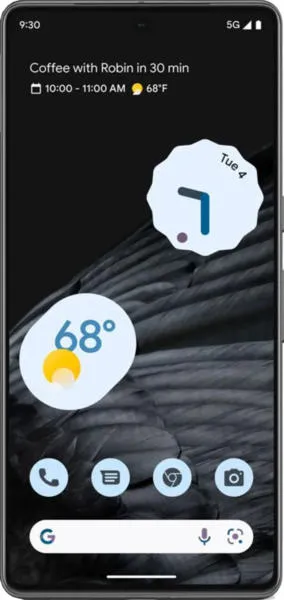
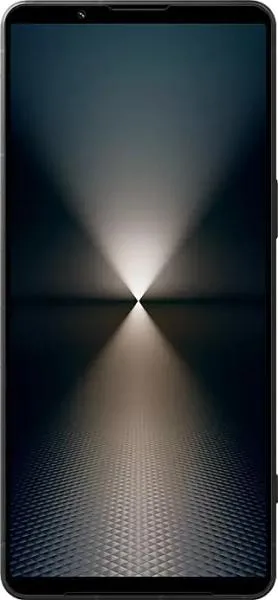
Google Pixel 7 Pro vs. Sony Xperia 1 VI: A Deep Dive
Let's dissect the Google Pixel 7 Pro and the Sony Xperia 1 VI, two compelling smartphones with distinct strengths. We'll go beyond the spec sheet to uncover what these differences truly mean for you.
1. Specifications Breakdown
| Feature | Google Pixel 7 Pro | Sony Xperia 1 VI | Real-World Implications |
|---|---|---|---|
| Design | |||
| Dimensions (mm) | 162.9 x 76.6 x 8.9 | 162 x 74 x 8.2 | Xperia 1 VI is slightly thinner and lighter, potentially more pocketable. |
| Weight (g) | 212 | 192 | Noticeable difference in hand; Xperia 1 VI will feel less substantial. |
| Fingerprint Sensor | Under Display | Side-mounted | Personal preference; side-mounted offers quicker access for some, under-display feels more modern. |
| Display | |||
| Size (inches) | 6.7 | 6.5 | Pixel offers a larger canvas for media consumption. |
| Resolution | 1440 x 3120 | 1080 x 2340 | Pixel boasts significantly higher pixel density (512 ppi vs 396 ppi), resulting in sharper text and images. |
| Type | LTPO AMOLED, 120Hz | LTPO OLED, 120Hz | Both offer smooth scrolling and animations thanks to the 120Hz refresh rate; Pixel's AMOLED likely offers deeper blacks and better color accuracy. |
| Performance | |||
| Chipset | Google Tensor G2 (5 nm) | Snapdragon 8 Gen 3 (4 nm) | Xperia 1 VI's newer, more powerful processor likely edges out the Tensor G2 in raw performance and benchmarks. |
| RAM | 12GB | 12GB | Both offer ample RAM for multitasking and demanding applications. |
| Camera | |||
| Main Sensor | 50MP Samsung GN1 | 48MP Sony IMX888 | Both are high-resolution sensors; real-world image quality will depend on processing and lens quality. Expect excellent results from both. |
| Telephoto | 48MP, 5x Optical Zoom | 12MP, 7.1x Optical Zoom | Xperia 1 VI offers a greater zoom range for capturing distant subjects. |
| Ultrawide | 12MP | 12.2MP, 123° FOV | Xperia 1 VI boasts a significantly wider field of view for dramatic landscape shots. |
| Battery Life | |||
| Capacity | 5000 mAh | 5000 mAh | Similar battery capacities; actual battery life depends on optimization and usage patterns. |
2. Key Insights
Performance: The Xperia 1 VI's Snapdragon 8 Gen 3 provides a likely advantage in raw processing power, making it potentially better for demanding tasks and gaming. The Pixel 7 Pro, however, leverages the Tensor G2 for AI-powered features and optimized performance within the Google ecosystem.
Display: Pixel 7 Pro's higher resolution display delivers sharper visuals. While both use LTPO technology for dynamic refresh rate adjustments, the Xperia's focus on creator features suggests a higher emphasis on color accuracy.
Camera: Both phones boast impressive camera systems. The Xperia 1 VI emphasizes professional-grade features, including a variable telephoto lens with a longer reach and manual controls. The Pixel 7 Pro excels in computational photography, leveraging Google's software prowess for features like Magic Eraser and Photo Unblur. The Xperia also comes with a wide 123° field of view, that the Pixel doesn't have.
3. User Profiles and Recommendations
Pixel 7 Pro: Best for users deeply embedded in the Google ecosystem, prioritizing ease of use, AI-powered features, and a vibrant, high-resolution display. Excellent for everyday photography and videography.
Xperia 1 VI: Ideal for photography enthusiasts, videographers, and mobile gamers who demand top-tier performance and manual controls. The unique 21:9 aspect ratio display also makes it a strong choice for content consumption and creative professionals.
4. Buying Decision Framework
- What is your budget? The Pixel will likely be less expensive than the Xperia.
- Are you a power user or a casual user? Power users will prefer the Xperia, casual users may prefer the Pixel.
- What is your photography style? Point-and-shoot users will like the Pixel, creative photographers will appreciate the Xperia's manual controls and professional features.
My Choice: As a tech journalist who values both performance and a refined user experience, I'd lean towards the Sony Xperia 1 VI. The Snapdragon 8 Gen 3, coupled with the impressive camera system and creator-focused features, aligns with my need for a powerful and versatile device. The longer zoom range and wider ultrawide lens are highly appealing for capturing diverse content. While the Pixel 7 Pro's display is sharper, the Xperia 1 VI's unique 21:9 aspect ratio and potential for superior color accuracy cater to my preferences for media consumption and creative work.
