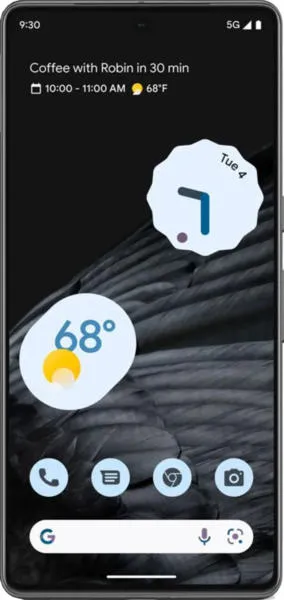
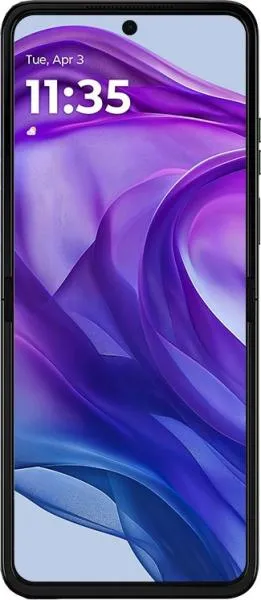
Google Pixel 7 Pro vs. Motorola Razr 50 Ultra: A Deep Dive
The smartphone landscape is constantly evolving, with devices catering to a diverse range of needs and preferences. Today, we'll dissect two compelling contenders: the Google Pixel 7 Pro, a powerhouse of refined software and imaging prowess, and the Motorola Razr 50 Ultra, a foldable marvel pushing the boundaries of mobile design. This head-to-head comparison will delve beyond the spec sheet, translating technical nuances into practical insights to guide your buying decision.
1. Specifications Breakdown
| Feature | Google Pixel 7 Pro | Motorola Razr 50 Ultra | Real-World Implications |
|---|---|---|---|
| Design | |||
| Dimensions (mm) | 162.9 x 76.6 x 8.9 | 171.4 x 74 x 7.1 (Unfolded) | Razr 50 Ultra offers portability when folded, Pixel 7 Pro a larger canvas |
| Weight (g) | 212 | 189 | Razr 50 Ultra feels lighter despite larger unfolded size |
| Foldable | No | Yes | Razr's foldable design offers unique form factor and pocketability |
| Display | |||
| Size (inches) | 6.7 | 6.9 (Main), ~3.6 (Cover) | Razr offers larger main display, Pixel a more conventional size |
| Resolution (px) | 1440 x 3120 | 1080 x 2640 | Pixel boasts sharper visuals due to higher pixel density |
| Refresh Rate (Hz) | 120 (LTPO) | 165 | Razr provides smoother scrolling and animations |
| Display Type | LTPO AMOLED | Foldable LTPO AMOLED | Both offer vibrant colors and deep blacks, Razr with higher peak brightness |
| Performance | |||
| Chipset | Google Tensor G2 | Snapdragon 8+ Gen 1 | Both offer flagship-level performance, potential differences in AI and specific tasks |
| CPU | Octa-core | Octa-core | Both handle demanding applications with ease |
| RAM (GB) | 12 | 8/12 | Ample memory for multitasking on both devices |
| Camera | |||
| Main Camera (MP) | 50 | 12 | Pixel likely to excel in low-light and detail, despite lower megapixel count on Razr |
| Telephoto (MP) | 48 | 13 | Pixel's dedicated telephoto offers superior zoom capabilities |
| Battery Life | |||
| Capacity (mAh) | 5000 | 3800 | Pixel likely offers longer battery life due to larger capacity |
2. Key Insights
The Pixel 7 Pro shines with its computational photography prowess, leveraging Google's Tensor G2 chip for exceptional image processing and AI capabilities. Its smooth 120Hz LTPO display, ample battery life, and clean Android experience make it a reliable workhorse.
The Razr 50 Ultra, on the other hand, is a statement piece. Its foldable design offers unparalleled portability and a unique user experience. The large cover screen enhances functionality when folded, and the powerful Snapdragon processor ensures smooth performance. However, battery life might be a concern due to the smaller battery capacity.
3. User Profiles and Recommendations
Pixel 7 Pro: Ideal for users prioritizing camera quality, software experience, and battery life. Photographers, content creators, and power users who value a seamless Android experience will find this phone a compelling option.
Razr 50 Ultra: Perfect for those seeking a cutting-edge device with a unique form factor. Its compact folded size and large cover screen appeal to users who value portability and style. Early adopters and those wanting a conversation starter will gravitate towards this device.
4. Buying Decision Framework
- Is a foldable design a priority? If yes, the Razr 50 Ultra is the clear choice.
- Which matters more: camera quality or portability? Pixel 7 Pro excels in imaging, Razr 50 Ultra in portability.
- What's your budget and desired software experience? Both phones fall in a similar price range; however, the Pixel offers a pure Android experience while the Razr has Motorola's customizations.
My Choice: Google Pixel 7 Pro
While the Razr 50 Ultra's foldable design is undeniably cool, as a tech journalist with a focus on practical utility, I would choose the Pixel 7 Pro. Its superior camera system, longer battery life, and clean Android experience align better with my daily needs. I prioritize image quality for capturing events and documenting new technologies, and the Pixel's consistent performance in this area is a key deciding factor. While I appreciate the Razr's innovation, the potential trade-offs in battery life and software customizations make the Pixel 7 Pro a more compelling overall package for my specific requirements.
