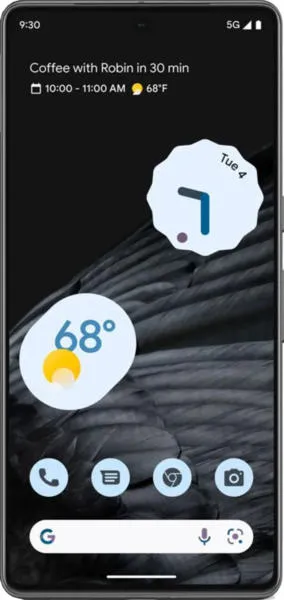
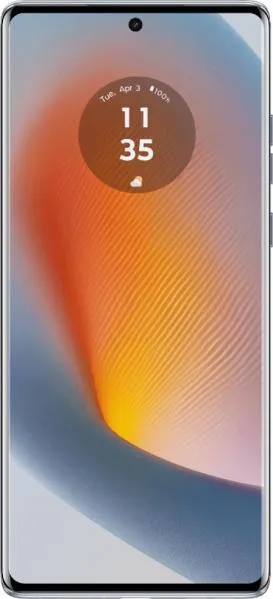
Google Pixel 7 Pro vs. Motorola Edge 50 Fusion: A Deep Dive
Let's dissect the Google Pixel 7 Pro and the Motorola Edge 50 Fusion, two compelling contenders in the mid-range smartphone arena. We'll go beyond the spec sheet to uncover what these numbers really mean for you.
1. Specifications Breakdown
| Feature | Google Pixel 7 Pro | Motorola Edge 50 Fusion | Real-World Implications |
|---|---|---|---|
| Design | |||
| Dimensions (mm) | 162.9 x 76.6 x 8.9 | 161.9 x 73.1 x 7.9 | Edge 50 Fusion is slightly smaller and lighter, potentially improving one-handed use. |
| Weight (g) | 212 | 174.9 | Noticeable weight difference; Edge 50 Fusion feels less substantial in hand. |
| Display | |||
| Display Type | LTPO AMOLED | P-OLED | Pixel's LTPO allows for dynamic refresh rate, saving battery. Both offer vibrant colors. |
| Refresh Rate (Hz) | 120 | 120/144 | Smoother scrolling and animations on both, with Edge potentially offering even more. |
| Resolution | 1440 x 3120 | 1080 x 2400 | Pixel 7 Pro boasts sharper visuals due to higher pixel density. |
| Peak Brightness | 1500 nits | 1600 nits | Edge 50 Fusion might be slightly more readable in direct sunlight. |
| Performance | |||
| Chipset | Google Tensor G2 | Snapdragon 7s Gen 2 | Tensor G2 emphasizes AI and machine learning, Snapdragon focuses on general performance. |
| CPU | Octa-core (2x2.85 GHz Cortex-X1 & 2x2.35 GHz Cortex-A78 & 4x1.80 GHz Cortex-A55) | Octa-core (4x2.4 GHz Cortex-A78 & 4x1.95 GHz Cortex-A55) | Pixel likely has a performance edge in demanding tasks due to higher clock speeds & core config. |
| RAM | 12GB | 8GB | Pixel's larger RAM enables better multitasking and app switching. |
| Camera | |||
| Main Camera | 50MP (Samsung GN1) | 50MP (Sony LYT-700C) | Both offer high-resolution sensors, image quality will depend on processing. |
| Telephoto | 48MP | N/A | Pixel 7 Pro provides optical zoom for clearer distant shots. |
| Battery Life | |||
| Capacity | 5000 mAh | 5000 mAh | Similar battery capacity suggests comparable longevity, but real-world use will vary. |
2. Key Insights
- Pixel's Powerhouse: The Tensor G2 chip, combined with 12GB RAM, gives the Pixel 7 Pro a significant performance advantage, especially for AI-driven tasks, gaming, and heavy multitasking.
- Display Dilemma: While the Edge 50 Fusion boasts higher peak brightness, the Pixel 7 Pro's LTPO AMOLED display with higher resolution and dynamic refresh rate offers a superior overall visual experience and potentially better battery efficiency.
- Camera Prowess: The Pixel 7 Pro's dedicated telephoto lens and Google's renowned image processing give it a clear edge in photography, particularly for zoom shots and challenging lighting conditions. The Edge 50 Fusion compensates with a high resolution selfie camera.
- Software Story: Pixel phones receive faster and more frequent Android updates, ensuring a longer lifespan of software support and new features.
3. User Profiles and Recommendations
- Pixel 7 Pro: Ideal for power users, photographers, and those who prioritize a smooth, feature-rich Android experience with timely updates. The superior camera system and performance justify the higher price for demanding users.
- Motorola Edge 50 Fusion: A solid choice for budget-conscious users who value a sleek design, a vibrant display, and respectable performance for everyday tasks. Those who prioritize battery life and a lightweight phone might also prefer the Edge.
4. Buying Decision Framework
- What are your primary smartphone needs? Heavy multitasking, gaming, and photography? Or casual browsing, social media, and communication?
- How important is software support and timely updates? Are you comfortable with potentially slower updates on the Motorola?
- What's your budget? The Pixel 7 Pro commands a higher price; is the premium justified by its advantages for your specific needs?
My Choice: The Google Pixel 7 Pro
While the Motorola Edge 50 Fusion offers compelling value, I would choose the Google Pixel 7 Pro. The deciding factors for me are the superior performance of the Tensor G2 chip, the more versatile camera system with a dedicated telephoto lens, and the guaranteed timely software updates directly from Google. As someone who values a smooth, responsive user experience and relies heavily on my phone for both work and leisure, the Pixel 7 Pro's advantages in these areas outweigh the slightly higher price and heavier weight. The sharper display and dynamic refresh rate also contribute to a more premium and enjoyable user experience in the long run. The Edge 50 Fusion is a strong contender, but the Pixel 7 Pro aligns more closely with my priorities as a tech enthusiast and power user.
