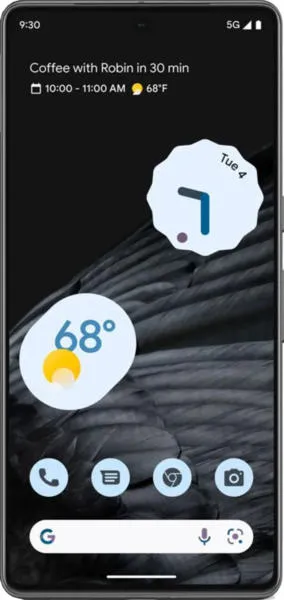
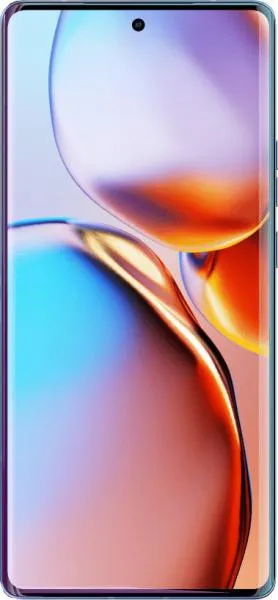
Let's dive into a comparative analysis of the Google Pixel 7 Pro and the Motorola Edge 40 Pro, dissecting their technical specifications and translating them into real-world implications for you.
1. Specifications Breakdown
| Feature | Google Pixel 7 Pro | Motorola Edge 40 Pro | Real-World Implications |
|---|---|---|---|
| Design | |||
| Dimensions (mm) | 162.9 x 76.6 x 8.9 | 161.2 x 74 x 8.6 | Edge 40 Pro is slightly more compact. |
| Weight (g) | 212 | 199 | Edge 40 Pro feels noticeably lighter in hand. |
| Build | Glass/Aluminum | Glass/Aluminum | Both offer premium build quality, but durability may vary. |
| Display | |||
| Size (inches) | 6.7 | 6.67 | Negligible size difference. |
| Resolution (px) | 1440 x 3120 | 1080 x 2400 | Pixel 7 Pro boasts significantly sharper visuals due to higher pixel density (512 ppi vs 394 ppi). |
| Refresh Rate (Hz) | 120 (LTPO) | 165 | Edge 40 Pro offers smoother animations and scrolling, though Pixel's LTPO allows for dynamic refresh rate adjustment for better battery. |
| Display Type | AMOLED | OLED | Both deliver vibrant colors and deep blacks. Pixel's LTPO panel might offer slightly better power efficiency. |
| Performance | |||
| Chipset | Google Tensor G2 | Snapdragon 8 Gen 2 | Edge 40 Pro's Snapdragon 8 Gen 2 generally benchmarks higher in raw performance. |
| CPU | Octa-core | Octa-core | Both are powerful, but Snapdragon 8 Gen 2 likely edges out in multi-core tasks. |
| RAM (GB) | 12 | 12 | Both offer ample RAM for multitasking. |
| Camera | |||
| Main Camera (MP) | 50 | 50 | Comparable main camera resolution, but sensor and processing will determine real-world image quality. |
| Telephoto (MP) | 48 | 12 | Pixel 7 Pro offers a significantly higher resolution telephoto lens, enabling better zoom capabilities. |
| Ultrawide (MP) | 12 | 50 | Motorola Edge 40 Pro has a much higher resolution ultrawide. |
| Battery Life | |||
| Capacity (mAh) | 5000 | 4600 | Pixel 7 Pro has a larger battery capacity, potentially leading to longer battery life. |
2. Key Insights
- Performance: While benchmarks favor the Edge 40 Pro, the Tensor G2 in the Pixel excels in AI-powered tasks, photography processing, and real-world responsiveness.
- Display: The Pixel 7 Pro's higher resolution display delivers a noticeable sharpness advantage. However, the Edge 40 Pro's 165Hz refresh rate provides a buttery smooth user experience, though at a potential cost to battery life. The Pixel 7 Pro's LTPO panel mitigates this with dynamic refresh rate scaling.
- Camera: Both phones promise excellent camera performance. However, the Pixel's superior telephoto lens and Google's renowned image processing algorithms give it an edge in zoom and overall image quality, particularly in challenging lighting conditions. The Motorola Edge 40 Pro boasts a higher resolution ultrawide sensor.
- Battery: The Pixel 7 Pro's larger battery, combined with the efficiency of the Tensor G2 and LTPO display, likely results in longer battery life.
3. User Profiles and Recommendations
- Pixel 7 Pro: Ideal for users who prioritize camera quality, AI features, a sharp display, and all-day battery life. Excellent for photography enthusiasts, content creators, and those heavily reliant on Google services.
- Edge 40 Pro: Best suited for users who value top-tier performance, incredibly smooth scrolling and responsiveness, and a vibrant display. A great choice for gamers, power users, and those seeking the latest and greatest in mobile hardware.
4. Buying Decision Framework
- What is your budget? The Motorola Edge 40 Pro typically commands a higher price.
- What are your photography needs? If zoom and consistent image quality are paramount, the Pixel 7 Pro is the clear winner. Do you need a good ultrawide? The Edge 40 Pro may be better suited.
- How important is battery life? The Pixel 7 Pro likely offers better longevity.
My Choice
If I were choosing between these two, I'd lean towards the Pixel 7 Pro. While the Edge 40 Pro boasts impressive specs, the Pixel's combination of a stunning display, exceptional camera system (especially the telephoto), superior battery life, and the seamless integration of Google's AI-powered features aligns more closely with my priorities. The Tensor G2, while perhaps not as powerful in raw benchmarks, delivers a fluid and intelligent user experience in real-world usage. As someone who values photography, battery life, and a cohesive software experience, the Pixel 7 Pro offers a more compelling package overall.
