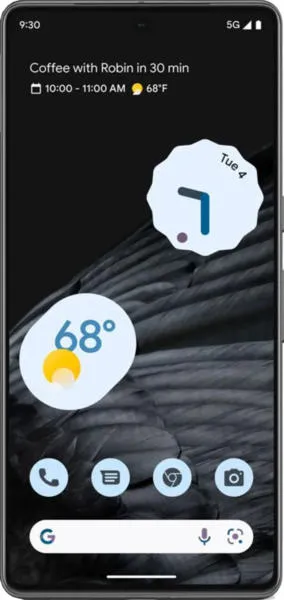
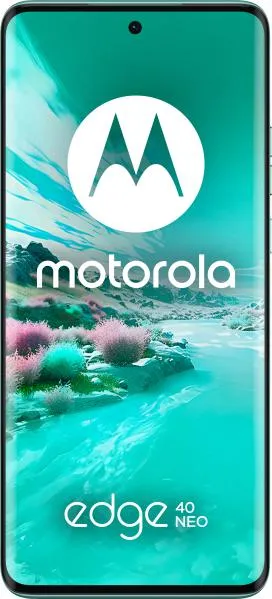
Google Pixel 7 Pro vs. Motorola Edge 40 Neo: A Deep Dive
Let's dissect the Google Pixel 7 Pro and the Motorola Edge 40 Neo, two compelling contenders in the mid-range smartphone arena. We'll go beyond the spec sheet, translating technical jargon into real-world implications for you.
1. Specifications Breakdown
| Feature | Google Pixel 7 Pro | Motorola Edge 40 Neo | Real-World Implications |
|---|---|---|---|
| Design | |||
| Dimensions (mm) | 162.9 x 76.6 x 8.9 | 159.6 x 72 x 7.9 | Pixel 7 Pro is slightly larger and heavier. Edge 40 Neo feels more compact and lighter in hand. |
| Weight (g) | 212 | 170 | Noticeable difference in weight; Edge 40 Neo is more pocketable for everyday carry. |
| Display | |||
| Type | LTPO AMOLED | P-OLED | Both offer vibrant colors and deep blacks. LTPO allows for dynamic refresh rate, saving battery on Pixel. |
| Size (inches) | 6.7 | 6.55 | Pixel 7 Pro offers a slightly larger screen for more immersive content consumption. |
| Resolution | 1440 x 3120 | 1080 x 2400 | Pixel 7 Pro boasts sharper visuals due to higher pixel density (512 ppi vs 402 ppi). |
| Refresh Rate (Hz) | 120 (variable) | 144 | Edge 40 Neo has a higher refresh rate for smoother scrolling and animations, but Pixel's adaptive rate conserves battery. |
| Performance | |||
| Chipset | Google Tensor G2 | MediaTek Dimensity 7030 | Tensor G2 excels in AI and machine learning tasks, offering unique Pixel features. Dimensity 7030 focuses on efficiency. |
| CPU | Octa-core (2x2.85 GHz Cortex-X1 & 2x2.35 GHz Cortex-A78 & 4x1.80 GHz Cortex-A55) | Octa-core (2x2.5 GHz Cortex-A78 & 6x2.0 GHz Cortex-A55) | Pixel 7 Pro has a slight edge in raw processing power due to higher clock speeds on performance cores but fewer efficiency cores. Expect smoother multitasking and demanding app performance. |
| RAM | 12GB | 12GB | Both offer ample RAM for smooth multitasking and background app retention. |
| Camera | |||
| Main Camera | 50MP (Samsung GN1) | 50MP (OmniVision OV50A) | Both offer high-resolution main sensors. Pixel's image processing software traditionally gives it an edge in image quality. |
| Telephoto | 48MP | N/A | Pixel 7 Pro offers a dedicated telephoto lens for optical zoom, a significant advantage for capturing distant subjects. |
| Battery Life | |||
| Capacity (mAh) | 5000 | 5000 | Similar battery capacities suggest comparable battery life. Pixel's LTPO display could potentially provide longer endurance. |
2. Key Insights
- Pixel 7 Pro: The clear winner in terms of sheer processing power, camera versatility (especially with the telephoto lens), and display sharpness. The Tensor G2 chip empowers unique AI-driven features. However, it comes at a premium price.
- Edge 40 Neo: A strong contender focusing on value. The higher refresh rate display delivers incredibly smooth visuals, and the lighter weight makes it more comfortable for extended use. While its camera system is competent, it lacks the telephoto capabilities of the Pixel.
3. User Profiles and Recommendations
- Pixel 7 Pro: Ideal for users who prioritize camera quality, cutting-edge features, a vibrant display, and a smooth software experience. Content creators, photographers, and power users would appreciate its capabilities.
- Edge 40 Neo: Suited for budget-conscious users seeking a sleek, lightweight phone with a stunning display and smooth performance. Great for everyday tasks, social media, web browsing, and casual gaming.
4. Buying Decision Framework
- Is camera quality your top priority? If so, the Pixel 7 Pro's superior camera system, including the telephoto lens and Google's renowned image processing, makes it the clear winner.
- Are you on a tight budget? The Edge 40 Neo offers excellent value for its price, delivering a smooth and stylish experience without breaking the bank.
- Do you value a lightweight and compact phone? The Edge 40 Neo's lighter weight and smaller form factor will be more comfortable for one-handed use and extended periods in your pocket.
My Choice: I would choose the Pixel 7 Pro. While the Motorola Edge 40 Neo is a solid device, the Pixel's superior camera system, telephoto lens, Tensor G2's AI capabilities, and the sharper display are compelling advantages for me. I prioritize having the best possible camera and a smooth, feature-rich software experience, and I'm willing to invest a bit more to get them. The potential for longer battery life due to the LTPO display is also a significant factor. While I appreciate the Edge 40 Neo's value proposition, the Pixel 7 Pro better aligns with my needs and preferences as a tech enthusiast and someone who frequently uses their phone for photography.
