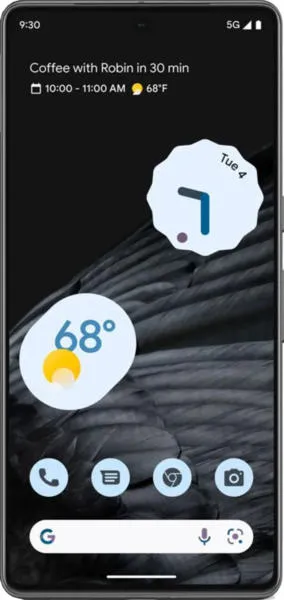
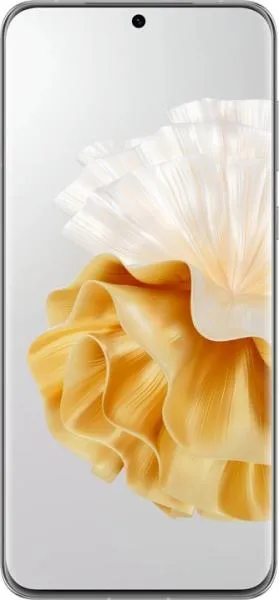
Google Pixel 7 Pro vs. Huawei P60 Pro: A Deep Dive for the Discerning User
The smartphone landscape is a battlefield of innovation, and two titans clashing for your attention are the Google Pixel 7 Pro and the Huawei P60 Pro. Both boast cutting-edge technology, but their strengths cater to different needs. Let's dissect these devices, translating the spec sheet into a real-world understanding.
1. Specifications Breakdown
| Feature | Google Pixel 7 Pro | Huawei P60 Pro | Real-World Implications |
|---|---|---|---|
| Design | |||
| Dimensions (mm) | 162.9 x 76.6 x 8.9 | 161 x 74.5 x 8.3 | P60 Pro slightly smaller, thinner, and lighter; negligible difference in hand feel. |
| Weight (g) | 212 | 200 | P60 Pro feels slightly less substantial but both are within the comfortable range for one-handed use. |
| Display | |||
| Size (inches) | 6.7 | 6.67 | Virtually identical screen real estate. |
| Resolution (px) | 1440 x 3120 | 1220 x 2700 | Pixel 7 Pro noticeably sharper due to higher pixel density; better for detail-oriented tasks and media consumption. |
| Panel Type | LTPO AMOLED, 120Hz | LTPO OLED, 120Hz | Both offer smooth scrolling and animations thanks to 120Hz; Pixel's AMOLED potentially offers deeper blacks and brighter colors. |
| Performance | |||
| Chipset | Google Tensor G2 (5 nm) | Snapdragon 8+ Gen 1 4G (4 nm) | Snapdragon chip likely offers a raw performance advantage, but Tensor G2 excels in AI and machine learning tasks. |
| RAM (GB) | 12 | 8/12 | 12GB on both high-end models ensures smooth multitasking; 8GB on base P60 Pro might show limitations in heavy usage. |
| Camera | |||
| Main Camera (MP) | 50 MP, f/1.85 | 48 MP, f/1.4-4.0 Variable Aperture | P60 Pro's variable aperture intriguing, potentially offering superior low-light performance and depth control. |
| Telephoto (MP) | 48 MP, f/3.5 | 48 MP, f/2.1, 3.5x Optical Zoom | Both offer strong telephoto capabilities, but P60 Pro boasts a wider aperture and explicitly states optical zoom capability. |
| Battery Life | |||
| Capacity (mAh) | 5000 | 4815 | Pixel 7 Pro slightly larger battery; real-world battery life depends heavily on usage patterns and software optimization. |
2. Key Insights
Pixel 7 Pro: Leans heavily on Google's software prowess, offering a seamless Android experience with class-leading computational photography and AI features. The sharper display is a boon for visual enthusiasts.
Huawei P60 Pro: Emphasizes hardware innovation, particularly in the camera department with its variable aperture and powerful telephoto lens. Performance should be excellent, though lacking 5G might be a dealbreaker for some.
3. User Profiles and Recommendations
Pixel 7 Pro: Ideal for users deeply embedded in the Google ecosystem who prioritize a clean, smooth Android experience, excellent camera performance, and AI-powered features.
P60 Pro: Best suited for photography enthusiasts who value hardware innovation and cutting-edge camera technology. Users must be comfortable navigating the Huawei ecosystem without Google Mobile Services.
4. Buying Decision Framework
Questions to Ask Yourself:
- Is 5G connectivity crucial? Pixel 7 Pro offers 5G, P60 Pro does not.
- Do you prioritize software experience or hardware innovation? Pixel excels in software, P60 Pro in hardware.
- Which camera system aligns with your needs? Pixel for computational photography, P60 Pro for variable aperture and telephoto capabilities.
My Choice: Google Pixel 7 Pro
While the P60 Pro's camera hardware is undeniably impressive, the lack of 5G and the absence of Google Mobile Services are significant drawbacks for me. I value the seamless integration of Google's services and the long-term software support that comes with the Pixel. The Pixel 7 Pro's slightly sharper display and the Tensor G2's AI capabilities further solidify my choice. Ultimately, the Pixel 7 Pro offers a more well-rounded package that better suits my needs and priorities as a tech enthusiast deeply integrated into the Google ecosystem. The superior display is also a major factor for consuming media, which I do often.
