Google Pixel 7 Pro vs. Apple iPhone 16 Pro: A Deep Dive
Let's dissect the Google Pixel 7 Pro and the Apple iPhone 16 Pro, going beyond the spec sheet to understand what these phones offer in the real world.
1. Specifications Breakdown
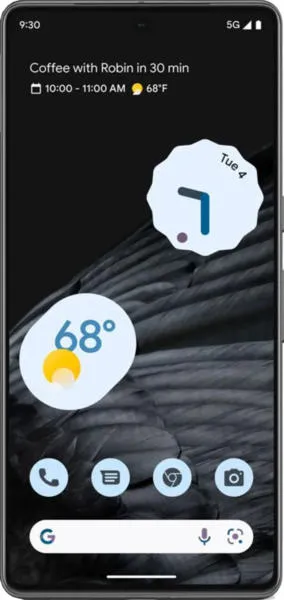
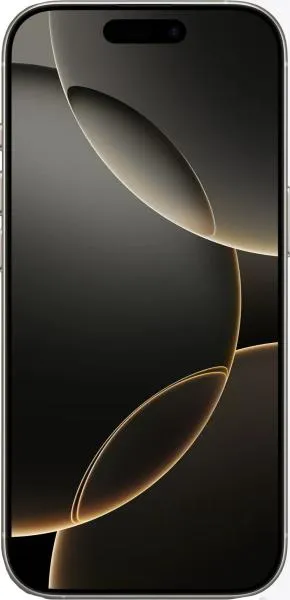
| Feature | Google Pixel 7 Pro | Apple iPhone 16 Pro | Real-World Implications |
|---|---|---|---|
| Design | |||
| Dimensions (mm) | 162.9 x 76.6 x 8.9 | 149.6 x 71.5 x 8.3 | iPhone 16 Pro is noticeably smaller and lighter, enhancing one-handed usability. |
| Weight (g) | 212 | 199 | Lighter iPhone contributes to reduced fatigue during extended use. |
| Display | |||
| Size (inches) | 6.7 | 6.3 | Pixel offers a larger screen for more immersive content consumption. |
| Resolution (px) | 1440 x 3120 | 1206 x 2622 | Pixel boasts a sharper display with higher pixel density, resulting in crisper text and images. |
| Type | LTPO AMOLED | LTPO Super Retina XDR OLED | Both use power-efficient LTPO panels enabling dynamic refresh rates for smoother scrolling and extended battery life. |
| Peak Brightness(nits) | 1500 | 2000 | iPhone 16 Pro's higher peak brightness ensures better visibility in direct sunlight. |
| Performance | |||
| Chipset | Google Tensor G2 | Apple A18 Pro | A18 Pro, being newer, likely offers a significant performance advantage in benchmarks and demanding tasks. |
| RAM (GB) | 12 | 8 | Pixel's higher RAM could contribute to better multitasking and app retention in the background. |
| OS | Android 13 | iOS 18 | OS preference is subjective, impacting app ecosystem, customization options, and privacy features. |
| Camera | |||
| Main Camera (MP) | 50 | 48 | Megapixel count doesn't tell the whole story; image processing and sensor quality are crucial. |
| Telephoto (x) | 5x Optical | 5x Optical | Comparable optical zoom capabilities. |
| Video | 4K@60fps | 4K@120fps | iPhone 16 Pro supports higher frame rate video recording for smoother slow-motion footage. |
| Battery Life | |||
| Capacity (mAh) | 5000 | 3582 | Pixel's significantly larger battery likely translates to longer usage time. |
2. Key Insights
- Performance: While the Tensor G2 is no slouch, the A18 Pro, built on a more advanced 3nm process, will likely deliver superior raw performance and efficiency.
- Display: Both phones offer stunning displays. The Pixel packs more pixels, while the iPhone 16 Pro boasts a brighter screen for improved outdoor visibility.
- Camera: Both are top-tier camera systems. Real-world image quality will depend heavily on computational photography prowess. Expect the iPhone to excel in video recording due to its higher frame rate capabilities.
- Battery Life: The Pixel's larger battery capacity suggests a longer lasting battery, a crucial factor for power users.
- Software: The biggest differentiator is the operating system. Android offers greater customization and flexibility, while iOS prioritizes ease of use and a tightly controlled ecosystem.
3. User Profiles and Recommendations
- Pixel 7 Pro: Ideal for Android enthusiasts, power users demanding long battery life, and those who prioritize a large, high-resolution display. Its superior value proposition makes it an attractive option for budget-conscious buyers.
- iPhone 16 Pro: Best suited for users entrenched in the Apple ecosystem, those seeking top-tier performance, and those who prioritize a premium, compact design. The enhanced video recording capabilities will appeal to content creators.
4. Buying Decision Framework
- Which operating system do you prefer? This is often the most significant deciding factor.
- What's your budget? The Pixel 7 Pro offers flagship features at a more accessible price point.
- What are your priorities? Battery life, performance, camera features, and display quality – rank these in order of importance.
My Choice:
If I were choosing between these two, I would opt for the Pixel 7 Pro. While I appreciate the likely performance gains of the A18 Pro chip, the Pixel's combination of a larger, sharper display, significantly larger battery, and more compelling price makes it the more attractive option for me personally. Android's open ecosystem and customization options also align better with my preferences. The Pixel's strong camera performance, especially its computational photography capabilities, further solidifies my choice. While the iPhone 16 Pro is undoubtedly a powerful device, the Pixel 7 Pro offers a more well-rounded package that better suits my needs and priorities. The difference in price also allows for investment in other tech gadgets or experiences, which enhances the overall value proposition.
