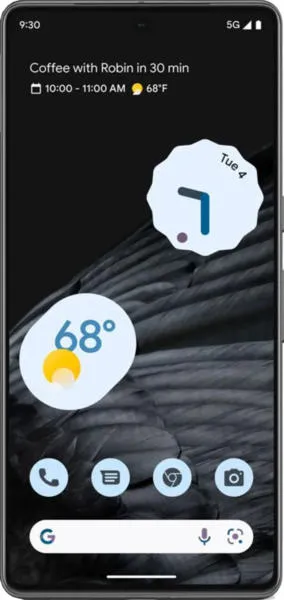
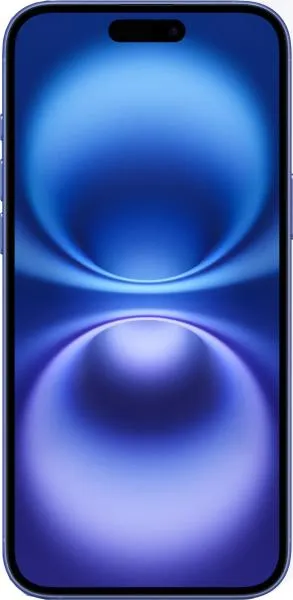
Google Pixel 7 Pro vs. Apple iPhone 16 Plus: A Deep Dive
Let's dissect the Google Pixel 7 Pro and the Apple iPhone 16 Plus, going beyond the spec sheets to uncover what these phones truly offer in the real world.
1. Specifications Breakdown
| Feature | Google Pixel 7 Pro | Apple iPhone 16 Plus | Real-World Implications |
|---|---|---|---|
| Design | |||
| Dimensions (mm) | 162.9 x 76.6 x 8.9 | 160.9 x 77.8 x 7.8 | iPhone 16 Plus is slightly shorter, wider, and noticeably thinner. Pixel 7 Pro feels more substantial. |
| Weight (g) | 212 | 199 | Noticeable difference in hand; iPhone 16 Plus feels lighter for extended use. |
| Build Materials | Aluminum frame, Gorilla Glass Victus | Aluminum frame, glass | Both offer premium build quality with scratch-resistant glass. |
| Display | |||
| Size (inches) | 6.7 | 6.7 | Identical screen real estate. |
| Resolution (px) | 1440 x 3120 | 1290 x 2796 | Pixel 7 Pro boasts a sharper display with higher pixel density, resulting in crisper text and images. |
| Panel Type | LTPO AMOLED | OLED | Both offer vibrant colors and deep blacks. Pixel's LTPO allows for dynamic refresh rate, saving battery. |
| Peak Brightness | 1500 nits | 2000 nits | iPhone 16 Plus gets significantly brighter in direct sunlight. |
| Performance | |||
| Chipset | Google Tensor G2 | Apple A18 | A18 expected to outperform Tensor G2 significantly in benchmarks, translating to faster app loading and smoother multitasking. |
| RAM (GB) | 12 | 8 | Pixel 7 Pro has more RAM, potentially benefiting multitasking, though iOS typically requires less. |
| OS | Android 13 | iOS 18 | Different ecosystems with distinct UI/UX, app availability, and privacy approaches. |
| Camera | |||
| Main Sensor (MP) | 50 | 48 | Comparable main camera resolution, likely delivering excellent image quality in various conditions. |
| Telephoto (MP) | 48 | N/A (digital zoom) | Pixel 7 Pro offers a dedicated telephoto lens for superior optical zoom. |
| Ultrawide (MP) | 12 | 12 | Similar ultrawide capabilities expected. |
| Battery Life | |||
| Capacity (mAh) | 5000 | 4674 | Pixel 7 Pro has a larger battery, suggesting potentially longer endurance. |
2. Key Insights
- Performance: The A18 chip in the iPhone 16 Plus is likely to deliver a noticeable performance advantage over the Tensor G2, especially in demanding tasks. However, the Pixel 7 Pro's 12GB RAM could provide smoother multitasking in certain scenarios.
- Display: While both phones have large 6.7-inch displays, the Pixel 7 Pro's higher resolution offers a sharper image. The iPhone 16 Plus counters with a higher peak brightness for better outdoor visibility. The Pixel's LTPO panel allows for a more adaptive refresh rate, potentially conserving battery.
- Camera: Both phones boast impressive camera systems. However, the Pixel 7 Pro's dedicated 48MP telephoto lens provides superior optical zoom compared to the iPhone's digital zoom. Google's computational photography prowess also traditionally gives the Pixel an edge in image processing.
- Software: The choice between Android and iOS boils down to personal preference. Android offers greater customization, while iOS is known for its simplicity and tight integration with Apple's ecosystem.
- Battery: The Pixel 7 Pro's larger battery capacity suggests better longevity, but real-world battery life depends on usage patterns and software optimization.
3. User Profiles and Recommendations
- Pixel 7 Pro: Ideal for Android enthusiasts, photography enthusiasts seeking superior zoom capabilities, and users prioritizing a customizable experience and potentially longer battery life.
- iPhone 16 Plus: Best suited for users entrenched in the Apple ecosystem, those who prioritize raw performance and a bright display, and those who value simplicity and ease of use.
4. Buying Decision Framework
- Which ecosystem are you invested in? If you heavily rely on Apple services or own other Apple devices, the iPhone 16 Plus seamlessly integrates. If you prefer Android's flexibility or use Google services extensively, the Pixel 7 Pro is a better fit.
- What are your photography priorities? For users who frequently use zoom, the Pixel 7 Pro's dedicated telephoto lens offers a significant advantage. If general image quality and video recording are paramount, both phones are likely to excel.
- What's your budget and performance needs? The iPhone 16 Plus typically commands a higher price. If budget is a constraint and top-tier performance isn't essential, the Pixel 7 Pro offers excellent value.
My Choice: As Alex Griffin, I would choose the Google Pixel 7 Pro. While the iPhone 16 Plus boasts impressive performance, the Pixel 7 Pro's superior camera versatility, especially its telephoto lens, aligns better with my photography needs. The sharper display, potentially longer battery life due to the larger battery and LTPO display, and Android's customization options also appeal to my preferences. The Pixel's strong focus on AI-driven features further enhances the overall user experience, making it the more compelling device for me.
