1. Specifications Comparison
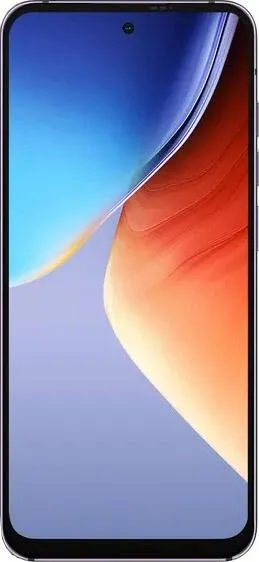
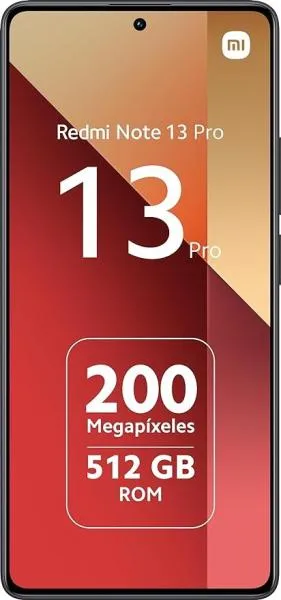
| Feature | Blackview A96 | Xiaomi Redmi Note 13 Pro 4G | Practical Impact |
|---|---|---|---|
| Design | |||
| Dimensions | 161.8 x 74.2 x 8.6 mm | 161.1 x 75 x 8 mm | Virtually identical in size and feel. |
| Weight | 193.9 g | 188 g | Redmi is slightly lighter, but the difference is negligible. |
| Fingerprint Sensor | Side-mounted | Under-display | Personal preference; both are reliable unlocking methods. |
| Display | |||
| Size | 6.5" | 6.67" | Redmi offers a slightly larger screen for more immersive content consumption. |
| Type | IPS LCD, 120Hz | AMOLED, 1B colors, 120Hz | Redmi's AMOLED display offers significantly better contrast, color accuracy, and deeper blacks. |
| Resolution | 1080 x 2400 | 1080 x 2400 | Identical resolution; sharpness is comparable on both devices. |
| Peak Brightness | Not specified | 1300 nits | Redmi's display will be much more visible in direct sunlight. The lack of this spec for the Blackview makes a direct comparison impossible. |
| Refresh Rate | 120Hz | 120Hz | Both offer smooth scrolling and animations. |
| Performance | |||
| Chipset | Mediatek Helio G99 (6 nm) | Mediatek Helio G99 Ultra | While both use a G99 variant, "Ultra" suggests potential performance improvements in the Redmi, but without specific details on clock speeds or core configuration, we can't quantify the difference. |
| CPU | Octa-core (2x2.2 GHz Cortex-A76 & 6x2.0 GHz Cortex-A55) | Octa-core (2x2.2 GHz Cortex-A76 & 6x2.0 GHz Cortex-A55) | Identical CPU configuration suggests similar performance in everyday tasks. |
| GPU | Mali-G57 MC2 | Mali-G57 MC2 | Same GPU indicates similar gaming performance. |
| RAM | 12GB | 8GB/12GB | The Redmi offers a configuration with less RAM (8GB) that might impact multitasking performance compared to the Blackview's 12GB. |
| Storage | 256GB | 256GB/512GB | Redmi offers a higher storage option (512GB) for users needing more space. |
| Battery | |||
| Capacity | 4380 mAh | 5000 mAh | Redmi's larger battery likely translates to longer battery life. |
| Camera | |||
| Video Capabilities | 1440p@30fps, 1080p@30fps | 1080p@30fps, 1080p@60fps | Blackview offers higher resolution video recording (1440p), while Redmi offers smoother 60fps recording at 1080p. No information about photo capabilities is provided for either phone, limiting a full camera comparison. |
| Software | |||
| OS | Android 13 | Android 13 | Both phones run on the latest Android version. |
| Max OS Version | Not specified | Android 16 | Redmi guarantees updates to Android 16, offering longer software support and security updates. Blackview's future update roadmap is unclear. |
2. Key Differences Analysis
Redmi Note 13 Pro 4G Advantages:
- Superior Display: AMOLED technology provides significantly better visuals. Higher peak brightness ensures outdoor visibility.
- Larger Battery: Offers longer usage time between charges.
- Software Updates: Guaranteed updates to Android 16 ensure longer-term security and features.
- More Storage Options: Provides a 512GB variant for users needing ample storage.
Blackview A96 Advantages:
- Higher Resolution Video Recording: Captures more detail in videos.
- Potentially Better Value: Depending on pricing, the Blackview with 12GB RAM might offer a better price-to-performance ratio compared to the 8GB RAM Redmi variant.
3. User Profiles & Recommendations
Redmi Note 13 Pro 4G: Users prioritizing display quality, battery life, and long-term software support. Suitable for media consumption, gaming, and everyday use.
Blackview A96: Users prioritizing video recording quality and potentially seeking a more budget-friendly option with ample RAM.
4. Decision Framework
Key Questions for Buyers:
- How important is display quality? If vibrant colors and deep blacks are crucial, the Redmi's AMOLED is superior.
- How much storage and RAM do you need? The Redmi offers more storage options, while the Blackview offers more RAM in its base configuration.
- How long do you plan to keep your phone? The Redmi's guaranteed updates to Android 16 make it a better long-term investment.
My Choice: Xiaomi Redmi Note 13 Pro 4G
While lacking full camera specifications for both phones makes a complete judgement difficult, the Xiaomi Redmi Note 13 Pro 4G is the stronger contender for most users. The superior AMOLED display, larger battery, guaranteed software updates, and greater storage options outweigh the Blackview's advantages in video resolution and potentially RAM. The "Ultra" designation on the Redmi's Helio G99 chip also suggests a potential performance edge, although without specific benchmarks, this remains speculative. Ultimately, the Redmi offers a more well-rounded package focused on long-term usability and a premium visual experience. The significantly higher peak brightness of the Redmi's screen compared to an unspecified value for the Blackview is a major deciding factor, especially for outdoor use.
