1. Specifications Comparison
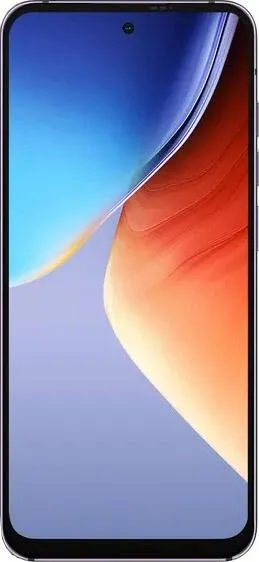
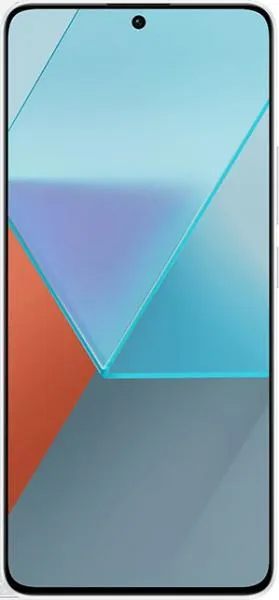
| Feature | Blackview A96 | Xiaomi Redmi Note 13 Pro | Practical Impact |
|---|---|---|---|
| Design | |||
| Dimensions | 161.8 x 74.2 x 8.6 mm | 161.2 x 74.2 x 8 mm | Virtually identical in size and hand feel. |
| Weight | 193.9 g | 187 g | Redmi is slightly lighter, but the difference is negligible. |
| Fingerprint Sensor | Side-mounted | Under-display | Preference-based; under-display is often perceived as more modern. |
| Display | |||
| Display Type | IPS LCD, 120Hz | AMOLED, 68B colors, 120Hz, Dolby Vision | Redmi offers significantly better contrast, colors, and HDR support with its AMOLED display. |
| Size | 6.5" | 6.67" | Redmi has a slightly larger display. |
| Resolution | 1080 x 2400 | 1220 x 2712 | Redmi has a sharper display with higher pixel density. |
| Refresh Rate | 120Hz | 120Hz | Both offer smooth scrolling and animations. |
| Peak Brightness | Not specified | 1800 nits | Redmi's display will be much more visible in direct sunlight. The lack of information for the Blackview makes a direct comparison impossible. |
| Performance | |||
| Chipset | Mediatek Helio G99 (6 nm) | Qualcomm Snapdragon 7s Gen 2 (4 nm) | Redmi's Snapdragon chip is likely more powerful and power-efficient due to the smaller manufacturing process. |
| CPU | Octa-core (2x2.2 GHz Cortex-A76 & 6x2.0 GHz Cortex-A55) | Octa-core (4x2.40 GHz Cortex-A78 & 4x1.95 GHz Cortex-A55) | Redmi's CPU features faster and more powerful cores, resulting in better performance for demanding tasks. |
| GPU | Mali-G57 MC2 | Adreno 710 | Redmi likely has a more powerful GPU, resulting in smoother gaming and graphics performance. |
| RAM/Storage | 12GB/256GB | 512GB/12GB, 256GB/8GB, 256GB/12GB | Redmi offers more storage options, catering to different needs and budgets. |
| Camera | |||
| Video Capabilities | 1440p@30fps, 1080p@30fps | 4K@30fps, 1080p@ various fps up to 120fps with EIS | Redmi offers superior video recording capabilities with 4K resolution and higher frame rates, along with Electronic Image Stabilization (EIS). Missing details about Blackview's camera make a full comparison impossible. |
| Battery | |||
| Capacity | 4380 mAh | 5100 mAh | Redmi has a significantly larger battery, potentially offering longer battery life. |
2. Key Differences Analysis
Redmi Note 13 Pro Advantages:
- Superior Display: AMOLED with HDR, higher resolution, and significantly higher peak brightness. Results in a vastly improved viewing experience, especially outdoors.
- More Powerful Performance: The Snapdragon 7s Gen 2 chip offers a notable performance advantage for gaming, multitasking, and demanding applications.
- Larger Battery: Provides longer usage time between charges.
- Better Video Recording: 4K resolution, higher frame rates, and EIS for smoother videos.
Blackview A96 Advantages:
- Potentially Lower Price: While not specified, Blackview phones generally target a more budget-conscious market.
3. User Profiles & Recommendations
Redmi Note 13 Pro: Users who prioritize display quality, performance, battery life, and camera features. Suitable for gaming, media consumption, photography, and demanding tasks.
Blackview A96: Budget-conscious users who prioritize basic functionality and don't require the highest performance or display quality. Suitable for everyday tasks like calling, texting, and web browsing.
4. Decision Framework
Key Questions for Buyers:
- What is your budget? The Redmi Note 13 Pro likely commands a higher price.
- What are your primary use cases? Gaming, media consumption, and photography benefit from the Redmi's superior hardware.
- How important is display quality and battery life? The Redmi significantly outperforms the Blackview in these areas.
My Choice: Xiaomi Redmi Note 13 Pro
The Redmi Note 13 Pro is the clear winner for me. The superior AMOLED display, more powerful processor, larger battery, and better video recording capabilities offer a significantly better user experience. While the Blackview A96 might be a more budget-friendly option, the Redmi's advantages in key areas like display and performance are substantial and would be worth the price difference for most users. The lack of key specifications for the Blackview, such as peak brightness and detailed camera specs, makes it difficult to recommend confidently. The Redmi Note 13 Pro offers a well-rounded package that caters to a wider range of users and use cases.
