1. Specifications Comparison
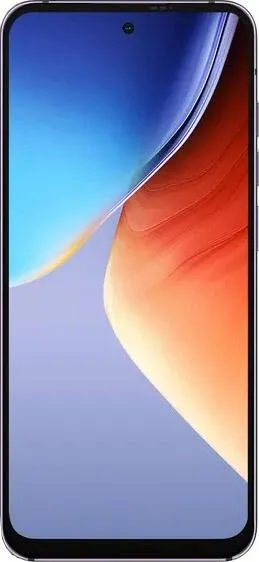
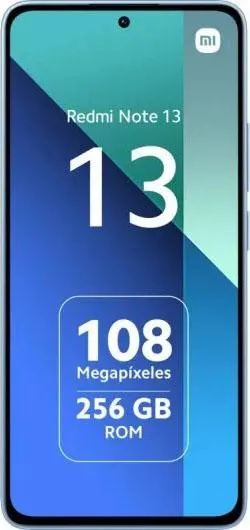
| Feature | Blackview A96 | Xiaomi Redmi Note 13 4G | Practical Impact |
|---|---|---|---|
| Design | |||
| Dimensions | 161.8 x 74.2 x 8.6 mm | 162.3 x 75.6 x 8 mm | Redmi is slightly larger and wider. Negligible difference in daily use. |
| Weight | 193.9 g | 188.5 g | Redmi is slightly lighter, enhancing one-handed use. |
| Fingerprint Sensor | Side-mounted | Under-display | Personal preference; under-display is often considered more modern. |
| Display | |||
| Size | 6.5" | 6.67" | Redmi offers a slightly larger viewing area for media consumption. |
| Type | IPS LCD, 120Hz | AMOLED, 120Hz | AMOLED provides richer colors, deeper blacks, and better power efficiency. |
| Resolution | 1080 x 2400 | 1080 x 2400 | Identical resolution; sharpness is similar on both devices. |
| Refresh Rate | 120Hz | 120Hz | Both offer smooth scrolling and animations. |
| Peak Brightness | Not specified | 1800 nits | Redmi's significantly higher brightness ensures excellent outdoor visibility. |
| Performance | |||
| Chipset | Mediatek Helio G99 (6nm) | Qualcomm Snapdragon 685 (6nm) | Both are mid-range chipsets; Snapdragon 685 may have slightly better power efficiency. Performance differences likely minimal for average users. |
| CPU | Octa-core (2x2.2 GHz Cortex-A76 & 6x2.0 GHz Cortex-A55) | Octa-core (4x2.8 GHz Cortex-A73 & 4x1.9 GHz Cortex-A53) | Helio G99 generally benchmarks slightly higher in CPU performance. |
| GPU | Mali-G57 MC2 | Adreno 610 | Adreno 610 generally performs better in GPU tasks, beneficial for gaming. |
| RAM/Storage | 12GB/256GB | 8GB/128GB or 8GB/256GB | Blackview offers more RAM in this configuration, potentially improving multitasking. Storage options vary. |
| Battery | |||
| Capacity | 4380 mAh | 5000 mAh | Redmi's larger battery likely translates to longer battery life. |
| Camera | |||
| Video Capabilities | 1440p@30fps, 1080p@30fps | 1080p@30fps | Blackview offers higher resolution video recording. No information on photo capabilities provided for comparison. |
| Other | |||
| OS | Android 13 | Android 13 (upgradable to 16) | Redmi offers longer software support with guaranteed updates. |
| NFC | Yes | Yes | Both support contactless payments. |
2. Key Differences Analysis
Blackview A96 Advantages:
- More RAM: The 12GB RAM configuration provides better multitasking capabilities.
- Higher Resolution Video Recording: Offers 1440p video recording for more detailed videos.
Xiaomi Redmi Note 13 4G Advantages:
- AMOLED Display: Superior display technology with vibrant colors, deeper blacks, and better power efficiency.
- Higher Peak Brightness: Excellent outdoor visibility.
- Larger Battery: Potentially longer battery life.
- Longer Software Support: Guaranteed updates to Android 16.
- Slightly Lighter: More comfortable for one-handed use.
3. User Profiles & Recommendations
Blackview A96: Users who prioritize multitasking performance and higher resolution video recording.
Xiaomi Redmi Note 13 4G: Users who value display quality, battery life, and longer software support. Suitable for media consumption, everyday use, and extended use without frequent charging.
4. Decision Framework
Key Questions for Buyers:
- How important is display quality? Prioritize Redmi Note 13 if you value vibrant colors and outdoor visibility.
- How much do you rely on heavy multitasking? Blackview A96's larger RAM is beneficial for power users.
- How important is long-term software support? Redmi Note 13 offers guaranteed updates to Android 16.
My Choice: Xiaomi Redmi Note 13 4G
While the Blackview A96 offers more RAM and higher resolution video recording, the Redmi Note 13 4G provides a superior overall package. The AMOLED display is a significant advantage, offering a much better viewing experience. The larger battery capacity, lighter weight, and longer software support are also compelling factors. For my personal use, which prioritizes media consumption, web browsing, and long battery life, the Redmi Note 13 4G is the clear winner. The guaranteed software updates ensure the phone will remain secure and functional for a longer period. The slight performance differences in benchmark scores wouldn't be noticeable in everyday use for my needs.
