1. Specifications Comparison
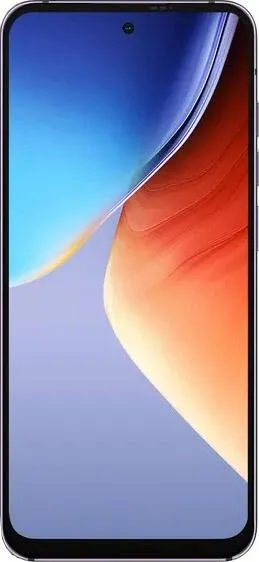
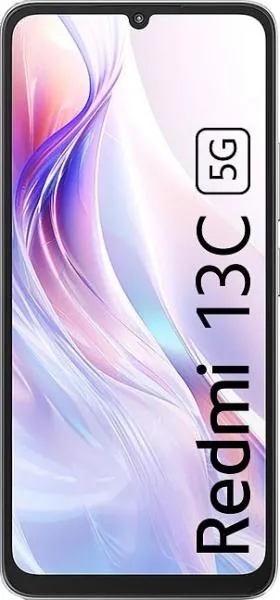
| Feature | Blackview A96 | Xiaomi Redmi 13C 5G | Practical Impact |
|---|---|---|---|
| Design | |||
| Dimensions (mm) | 161.8 x 74.2 x 8.6 | 168 x 78 x 8.1 | Redmi 13C is noticeably larger and slightly thicker. A96 might be more pocketable and easier to handle one-handed. |
| Weight (g) | 193.9 | 192 | Negligible weight difference. |
| Display | |||
| Size (inches) | 6.5 | 6.74 | Redmi 13C offers a larger screen for media consumption. |
| Type | IPS LCD, 120Hz | IPS LCD, 90Hz | A96's 120Hz offers smoother scrolling and animations. Redmi 13C's 90Hz is still smooth, but not as fluid. |
| Resolution | 1080 x 2400 | 720 x 1600 | A96 has a significantly sharper display (405 PPI vs 260 PPI), resulting in clearer text and images. |
| Brightness (nits) | Not specified | 450 typical, 600 HBM | Redmi 13C provides information on typical and peak brightness, suggesting better outdoor visibility. A96's brightness is unknown. |
| Performance | |||
| Chipset | Mediatek Helio G99 | Mediatek Dimensity 6100+ | Both are 6nm chips, but Dimensity 6100+ is generally considered more powerful, especially in GPU performance, impacting gaming. |
| CPU | Octa-core (2x2.2 GHz...) | Octa-core (2x2.2 GHz...) | Similar CPU configurations, likely resulting in comparable everyday performance for basic tasks. |
| GPU | Mali-G57 MC2 | Mali-G57 MC2 | Same GPU, but performance might differ due to chipset optimizations. |
| RAM/Storage | 12GB/256GB | 6GB/128GB | A96 offers significantly more RAM and storage, enabling smoother multitasking and more space for apps and files. |
| Other | |||
| Battery (mAh) | 4380 | 5000 | Redmi 13C boasts a larger battery capacity, likely translating to longer battery life. |
| NFC | Yes | No | A96 supports contactless payments and data transfer via NFC. |
| Sensors | Accel, gyro, prox, comp, Fingerprint | Accel, comp, Fingerprint | A96 has a gyroscope for better motion sensing in games and AR applications. |
| Video Capabilities | 1440p@30fps, 1080p@30fps | 1080p@30fps | A96 can record video at a higher resolution (1440p). |
2. Key Differences Analysis
Blackview A96 Advantages:
- Sharper Display: Significantly higher pixel density results in a much clearer and more detailed viewing experience.
- Smoother Display: 120Hz refresh rate provides a more fluid and responsive user experience.
- More RAM and Storage: Double the RAM and storage compared to Redmi 13C.
- NFC: Enables contactless payments and data transfer.
- Gyroscope: Improves motion sensing for gaming and AR.
- Higher Resolution Video Recording: Can record at 1440p.
Xiaomi Redmi 13C 5G Advantages:
- Larger Display: Provides a more immersive experience for media consumption.
- Larger Battery: Potentially longer battery life.
- Potentially More Powerful Chipset: Dimensity 6100+ may offer better overall performance, particularly in gaming.
3. User Profiles & Recommendations
Blackview A96: Users who prioritize display quality, smooth performance, ample storage, and NFC functionality. Suitable for:
- Content Consumers: Enjoying sharp visuals for videos and photos.
- Mobile Gamers: Benefitting from the 120Hz refresh rate for smoother gameplay (though GPU is less powerful).
- Power Users: Utilizing the extra RAM for multitasking and ample storage for files.
Xiaomi Redmi 13C 5G: Users who prioritize battery life, a large screen, and value for money. Ideal for:
- Casual Users: Primarily using the phone for basic tasks like calling, texting, and browsing.
- Media Consumers: Enjoying videos and movies on a larger screen.
- Budget-conscious buyers: Seeking a large-screen phone with decent performance at an affordable price.
4. Decision Framework
Key Questions for Buyers:
- Is display quality a top priority? If yes, the A96's sharper resolution and higher refresh rate are significant advantages.
- How important is battery life? The Redmi 13C's larger battery likely provides longer usage time.
- Do you need NFC for contactless payments? This is a key differentiator, as the Redmi 13C lacks NFC.
My Choice: Blackview A96
While the Redmi 13C 5G offers a larger battery and potentially a slightly more powerful chipset for gaming, the Blackview A96's superior display, double the RAM and storage, NFC functionality, and additional sensors like the gyroscope make it a more compelling overall package for my needs. I prioritize a smooth and responsive user experience, a sharp display for content consumption, and the convenience of NFC. The slightly smaller battery is a trade-off I'm willing to make for these advantages. The lack of specific brightness information on the A96 is a concern, but the other advantages outweigh this for me personally.
