1. Specifications Comparison
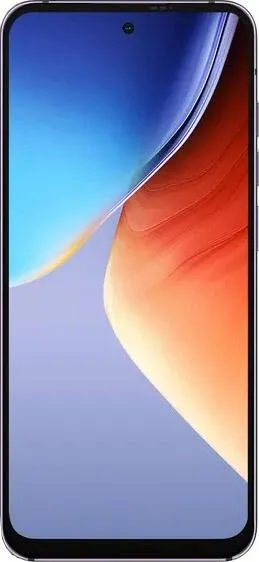
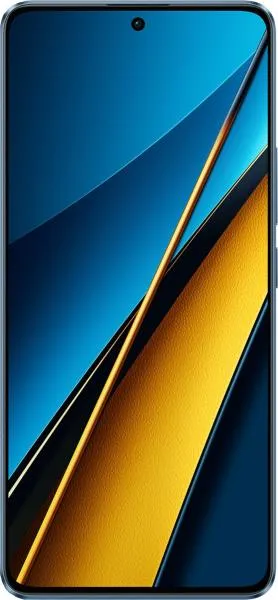
| Feature | Blackview A96 | Xiaomi Poco X6 | Practical Impact |
|---|---|---|---|
| Design | |||
| Dimensions | 161.8 x 74.2 x 8.6 mm | 161.2 x 74.3 x 8 mm | Virtually identical in size and hand feel. |
| Weight | 193.9 g | 181 g | Poco X6 is noticeably lighter, improving one-handed use. |
| Fingerprint Sensor | Side-mounted | Under-display | Preference-based; under-display feels more modern. |
| Display | |||
| Size | 6.5" | 6.67" | Slightly larger screen on the Poco X6 provides more immersive content consumption. |
| Type | IPS LCD, 120Hz | AMOLED, 120Hz, Dolby Vision, HDR10+ | Poco X6 offers superior contrast, vibrant colors, and HDR support for a significantly better viewing experience. |
| Resolution | 1080 x 2400 | 1220 x 2712 | Sharper and more detailed visuals on the Poco X6. |
| Peak Brightness | Not specified | 1800 nits | Poco X6 offers exceptional outdoor visibility, even in direct sunlight. The lack of information for the Blackview A96 prevents a direct comparison. |
| Refresh Rate | 120Hz | 120Hz | Both offer smooth scrolling and animations. |
| Performance | |||
| Chipset | Mediatek Helio G99 (6nm) | Qualcomm Snapdragon 7s Gen 2 (4nm) | Snapdragon 7s Gen 2 offers better performance and efficiency due to a more advanced manufacturing process and architecture. |
| CPU | Octa-core (2x2.2 GHz Cortex-A76 & 6x2.0 GHz Cortex-A55) | Octa-core (4x2.40 GHz Cortex-A78 & 4x1.95 GHz Cortex-A55) | Poco X6 has faster and more powerful CPU cores, resulting in smoother multitasking and faster app loading. |
| GPU | Mali-G57 MC2 | Adreno 710 | Adreno 710 offers superior graphics performance for demanding games and applications. |
| RAM | 12GB | 12GB | Both offer ample RAM for smooth multitasking. |
| Storage | 256GB | 256GB/512GB | Poco X6 offers a 512GB option for users needing more storage. |
| Battery | |||
| Capacity | 4380 mAh | 5100 mAh | Significantly larger battery in the Poco X6 likely translates to longer battery life. |
| Camera | |||
| Video Capabilities | 1440p@30fps, 1080p@30fps | 4K@30fps (EIS), 1080p@60fps (EIS) | Poco X6 supports 4K video recording and higher frame rates at 1080p with Electronic Image Stabilization (EIS) for smoother videos. |
| Other Camera Specs | Missing | Missing | Insufficient information to compare camera quality and features. |
2. Key Differences Analysis
Xiaomi Poco X6 Advantages:
- Superior Display: AMOLED with HDR, higher resolution, and significantly higher peak brightness. This translates to a drastically better viewing experience in all conditions.
- Faster Performance: More powerful chipset and CPU/GPU for smoother multitasking and gaming.
- Longer Battery Life: Larger battery capacity.
- Better Video Recording: 4K recording and EIS.
- More Storage Options: Availability of a 512GB variant.
Blackview A96 Advantages:
- Potentially lower price (within the "medium price" range).
3. User Profiles & Recommendations
Xiaomi Poco X6: Users who prioritize display quality, performance, battery life, and content creation (video recording). Suitable for gaming, media consumption, and demanding tasks.
Blackview A96: Budget-conscious users who prioritize basic functionality and don't require high-end features. Suitable for everyday tasks like calling, messaging, and web browsing.
4. Decision Framework
Key Questions for Buyers:
- What is your budget? The Poco X6 is likely more expensive.
- What are your primary use cases? Gaming, media consumption, or basic tasks?
- How important is display quality? A significant differentiator between these phones.
Scenario-Based Recommendations:
- Heavy User: Poco X6 is the clear winner for power users.
- Budget-Conscious User: Blackview A96 might be a better value if price is a major constraint.
- Media Enthusiast: Poco X6's superior display makes it ideal for watching videos and movies.
My Choice: Xiaomi Poco X6
The Xiaomi Poco X6 is the superior device overall. The significantly better display, improved performance, larger battery, and enhanced video recording capabilities outweigh the potential price difference. The AMOLED display with HDR support alone makes a huge difference in the user experience. While specific camera details are lacking, the Poco X6's advancements in other areas make it a more compelling choice for most users. The Blackview A96 might be suitable for extremely budget-conscious buyers, but the Poco X6 provides a substantial upgrade in key areas that greatly enhance the overall user experience.
