1. Specifications Comparison
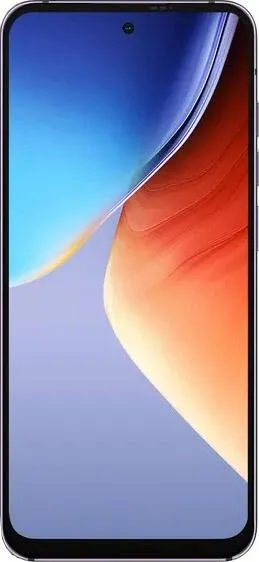
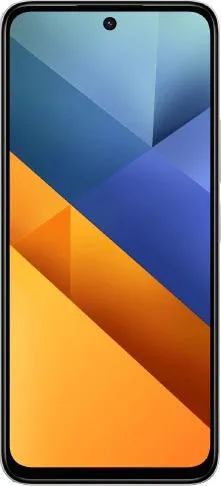
| Feature | Blackview A96 | Xiaomi Poco M6 4G | Practical Impact |
|---|---|---|---|
| Design | |||
| Dimensions | 161.8 x 74.2 x 8.6 mm | 168.6 x 76.3 x 8.3 mm | Poco M6 is noticeably larger and slightly thinner. A96 might be more pocketable for some. |
| Weight | 193.9 g | 205 g | Poco M6 is slightly heavier, which might be noticeable during extended use. |
| Display | |||
| Size | 6.5" | 6.79" | Poco M6 offers a significantly larger screen for media consumption and multitasking. |
| Type | IPS LCD, 120Hz | IPS LCD, 90Hz, 550 nits (HBM) | A96 has a smoother display with a higher refresh rate. Poco M6's higher nit value suggests better outdoor visibility though peak brightness isn't specified for either. |
| Resolution | 1080 x 2400 | 1080 x 2460 | Negligible difference in sharpness due to similar pixel density. |
| Performance | |||
| Chipset | Mediatek Helio G99 (6 nm) | Mediatek Helio G91 Ultra (12 nm) | G99 is built on a more efficient process, likely resulting in better battery life and potentially slightly better performance. |
| CPU | Octa-core (2x2.2 GHz Cortex-A76 & 6x2.0 GHz Cortex-A55) | Octa-core (2x2.0 GHz Cortex-A75 & 6x1.8 GHz Cortex-A55) | A96 has a slightly faster CPU, potentially offering quicker app loading and multitasking. |
| GPU | Mali-G57 MC2 | Mali-G52 MC2 | A96 likely has a more powerful GPU, leading to smoother gaming and graphics performance. |
| RAM | 12GB | 8GB | A96 offers more RAM, allowing for more apps to stay open in the background and potentially better multitasking. |
| Storage | 256GB | 256GB | Both offer the same storage capacity. |
| Battery | |||
| Capacity | 4380 mAh | 5030 mAh | Poco M6 has a significantly larger battery, potentially lasting much longer on a single charge. |
| Other | |||
| OS | Android 13 | Android 14 | Poco M6 comes with a newer Android version out of the box, offering potential feature and security updates. |
| Sensors | Accelerometer, gyro, proximity, compass, Fingerprint (side-mounted) | Accelerometer, compass, Fingerprint (side-mounted) | A96 has a gyroscope sensor, crucial for AR applications and some games. It lacks detailed sensor information compared to the A96. |
| Video Capabilities | 1440p@30fps, 1080p@30fps | 1080p@30fps | A96 can record video at a higher resolution. |
2. Key Differences Analysis
Blackview A96 Advantages:
- Smoother Display: 120Hz refresh rate provides a more fluid user experience.
- More Efficient Processor: 6nm process node on the Helio G99 likely translates to better battery life and performance compared to the 12nm Helio G91.
- More RAM: 12GB RAM enables superior multitasking.
- Higher Resolution Video Recording: Can record at 1440p.
- Gyroscope: Enables AR applications and enhances gaming experience.
Xiaomi Poco M6 4G Advantages:
- Larger Display: More immersive experience for media and gaming.
- Larger Battery: Significantly longer battery life.
- Newer Android Version: Comes with Android 14, potentially offering longer software support.
- Lower Price: Positioned in the "low price" range compared to A96's "medium price."
3. User Profiles & Recommendations
Blackview A96: Users who prioritize a smooth display, better performance, multitasking capabilities, and slightly more compact size. Suitable for gamers, power users, and those who value a fluid user interface.
Xiaomi Poco M6 4G: Users who prioritize battery life, a larger display, and affordability. Ideal for casual users, media consumers, and those on a budget.
4. Decision Framework
Key Questions for Buyers:
- What is your budget? The Poco M6 4G is more affordable.
- How important is battery life? The Poco M6 4G offers a substantially larger battery.
- Do you prioritize performance or display size? The A96 provides better performance and a smoother display, while the Poco M6 4G has a larger screen.
Scenario-Based Recommendations:
- Tight Budget, Heavy Usage: Poco M6 4G
- Moderate Budget, Gaming Focused: Blackview A96
- Large Screen for Media, Casual Use: Poco M6 4G
My Choice: Blackview A96
While the Poco M6 4G offers a larger battery and display, the Blackview A96's superior performance, smoother 120Hz display, extra RAM, and more efficient processor make it a more compelling device for me. I value a fluid and responsive user experience, which the A96's hardware is better equipped to deliver. The presence of a gyroscope also opens up possibilities for AR applications and enhances gaming, features I find valuable. While battery life is important, I am willing to compromise slightly in that area for the overall better performance and user experience offered by the A96. The price difference, while a factor, is outweighed by the significant performance and feature advantages of the A96.
