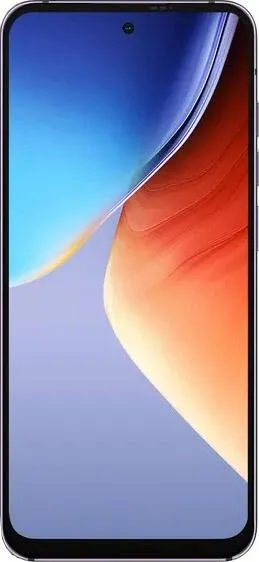
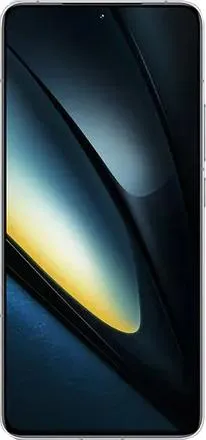
1. Specifications Comparison
| Feature | Blackview A96 | Xiaomi Poco F6 Pro | Practical Impact |
|---|---|---|---|
| Design | |||
| Dimensions | 161.8 x 74.2 x 8.6 mm | 160.9 x 75 x 8.2 mm | Poco F6 Pro is slightly shorter and thinner. Negligible difference in real-world usage. |
| Weight | 193.9 g | 209 g | Poco F6 Pro is noticeably heavier, potentially impacting one-handed use. |
| Fingerprint Sensor | Side-mounted | Under-display | Personal preference, both are reliable options. |
| Display | |||
| Display Type | IPS LCD, 120Hz | AMOLED, 68B colors, 120Hz, Dolby Vision, HDR10+ | Poco F6 Pro offers significantly better contrast, colors, and HDR support resulting in a superior viewing experience. |
| Size | 6.5" | 6.67" | Poco F6 Pro has a slightly larger screen. |
| Resolution | 1080 x 2400 | 1440 x 3200 | Poco F6 Pro has a much sharper display due to higher resolution. |
| Refresh Rate | 120Hz | 120Hz | Both offer smooth scrolling and animations. |
| Peak Brightness | Not specified | 4000 nits | Poco F6 Pro's exceptional brightness ensures great outdoor visibility. Lack of data for the A96 prevents comparison. |
| Performance | |||
| Chipset | Mediatek Helio G99 (6nm) | Qualcomm Snapdragon 8 Gen 2 (4nm) | Poco F6 Pro boasts a vastly more powerful processor, enabling significantly better performance in demanding tasks and gaming. |
| CPU | Octa-core (2x2.2 GHz Cortex-A76 & 6x2.0 GHz Cortex-A55) | Octa-core (1x3.2 GHz Cortex-X3 & 2x2.8 GHz Cortex-A715 & 2x2.8 GHz Cortex-A710 & 3x2.0 GHz Cortex-A510) | The architectural superiority of the Snapdragon 8 Gen 2, coupled with higher clock speeds, translates to a massive performance advantage for the Poco F6 Pro. |
| GPU | Mali-G57 MC2 | Adreno 740 | Poco F6 Pro will provide a significantly better gaming and graphics-intensive application experience. |
| RAM | 12GB | 12GB/16GB | Both offer ample RAM for multitasking, though the Poco F6 Pro has a higher configuration option. |
| Storage | 256GB | 512GB/1TB | Poco F6 Pro offers much larger storage options. |
| Battery | |||
| Capacity | 4380 mAh | 5000 mAh | Poco F6 Pro has a larger battery capacity, potentially leading to longer battery life. |
| Camera | |||
| Video Capabilities | 1440p@30fps, 1080p@30fps | 8K@24fps, 4K@60fps, ... | The Poco F6 Pro offers significantly more advanced video recording capabilities, including higher resolutions and frame rates. Lack of detailed camera specs for both phones limits a thorough comparison. |
2. Key Differences Analysis
Xiaomi Poco F6 Pro Advantages:
- Significantly superior performance: The Snapdragon 8 Gen 2 provides a major leap in processing power compared to the Helio G99.
- Much better display: AMOLED with HDR10+, Dolby Vision, and higher resolution provides a far superior visual experience.
- Larger battery: Potentially longer battery life.
- More storage options: Up to 1TB of storage.
- Superior video recording capabilities: Wider range of resolutions and frame rates.
Blackview A96 Advantages:
- Potentially lower price (within the "medium price" range).
- Lighter weight.
3. User Profiles & Recommendations
Blackview A96: Suitable for budget-conscious users who prioritize basic smartphone functionality - calls, messaging, web browsing, and light social media usage. Not recommended for demanding tasks or gaming.
Xiaomi Poco F6 Pro: Ideal for users who demand top-tier performance, a premium display, and advanced features like high-quality video recording. Excellent for gamers, power users, and content creators.
4. Decision Framework
Key Questions:
- What is your budget? The Poco F6 Pro is likely more expensive.
- What are your primary smartphone uses? Basic tasks vs. demanding applications and gaming.
- How important is display quality? The Poco F6 Pro offers a vastly superior visual experience.
Scenario-Based Recommendations:
- Tight budget, basic usage: Blackview A96.
- Demanding user, gamer, content creator: Xiaomi Poco F6 Pro.
- Value seeker with moderate performance needs: Consider other options within the "medium price" range with balanced specifications.
My Choice: Xiaomi Poco F6 Pro
While lacking specific pricing information, the Xiaomi Poco F6 Pro is the clear winner due to its vastly superior performance, stunning display, and advanced features. The Snapdragon 8 Gen 2 provides a future-proof platform for demanding tasks and gaming. The brilliant AMOLED display with HDR support drastically enhances the viewing experience. Even if the Poco F6 Pro is at the higher end of the "medium price" range, the substantial performance and feature advantages justify the potential price difference for most users beyond those with the strictest budget constraints. The Blackview A96, while potentially more affordable, compromises significantly on performance and display quality.
