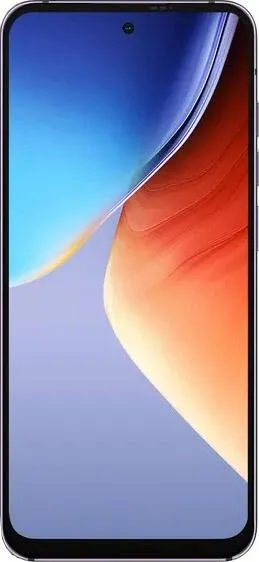
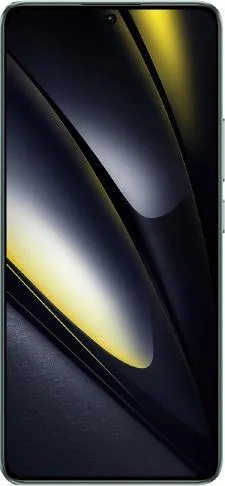
1. Specifications Comparison
| Feature | Blackview A96 | Xiaomi Poco F6 | Practical Impact |
|---|---|---|---|
| Design | |||
| Dimensions | 161.8 x 74.2 x 8.6 mm | 160.5 x 74.5 x 8 mm | Negligible size difference; both feel similar in hand. |
| Weight | 193.9 g | 179 g | Poco F6 is noticeably lighter, reducing hand fatigue during extended use. |
| Fingerprint Sensor | Side-mounted | Under-display | Preference-based; under-display feels more modern, side-mounted can be faster. |
| Display | |||
| Display Type | IPS LCD, 120Hz | AMOLED, 68B colors, 120Hz, HDR10+, Dolby Vision | Poco F6 offers significantly better contrast, colors, and HDR support resulting in a superior viewing experience. |
| Size | 6.5" | 6.67" | Slightly larger screen on the Poco F6 provides more immersive content consumption. |
| Resolution | 1080 x 2400 | 1220 x 2712 | Higher resolution and pixel density (446 vs 405 PPI) on Poco F6 results in sharper text and images. |
| Peak Brightness | Not specified | 2400 nits | Poco F6's exceptional peak brightness ensures excellent outdoor visibility. Lack of data for the A96 limits comparison. |
| Refresh Rate | 120Hz | 120Hz | Both offer smooth scrolling and animations. |
| Performance | |||
| Chipset | Mediatek Helio G99 (6nm) | Qualcomm Snapdragon 8s Gen 3 (4nm) | Poco F6 boasts a significantly more powerful processor, enabling smoother multitasking, faster app loading, and better gaming performance. |
| CPU | Octa-core (2x2.2 GHz Cortex-A76 & 6x2.0 GHz Cortex-A55) | Octa-core (1x3.0 GHz Cortex-X4 & 4x2.8 GHz Cortex-A720 & 3x2.0 GHz Cortex-A520) | The Snapdragon 8s Gen 3 in the Poco F6 offers superior performance across the board compared to the Helio G99. |
| GPU | Mali-G57 MC2 | Adreno 735 | Poco F6 has a much more capable GPU, delivering a significant advantage in gaming and graphically demanding tasks. |
| RAM | 12GB | 12GB | Both offer ample RAM for smooth multitasking. |
| Storage | 256GB | 512GB | Poco F6 provides double the storage capacity. |
| Camera | |||
| Video Capabilities | 1440p@30fps, 1080p@30fps | 4K@30/60fps (EIS), 1080p@30/60/120/240fps (EIS) | Poco F6 offers significantly better video recording capabilities with higher resolution, frame rates, and Electronic Image Stabilization (EIS). No detailed camera specs limit further analysis. |
| Battery | |||
| Capacity | 4380 mAh | 5000 mAh | Larger battery in the Poco F6 likely translates to longer battery life. |
2. Key Differences Analysis
Blackview A96 Advantages:
- Potentially more affordable (no price specified but likely lower given other specs).
Xiaomi Poco F6 Advantages:
- Significantly superior performance: The Snapdragon 8s Gen 3 outperforms the Helio G99 by a large margin.
- Better Display: AMOLED with HDR10+, Dolby Vision, and much higher brightness delivers a vastly improved viewing experience.
- Enhanced Video Recording: 4K resolution, higher frame rates, and EIS provide superior video quality.
- Larger Battery: 5000 mAh battery offers potentially longer usage time.
- More Storage: Double the storage capacity (512GB vs 256GB).
- Lighter Design: Noticeably lighter, improving handling comfort.
3. User Profiles & Recommendations
Blackview A96: Budget-conscious users who prioritize basic functionality over high performance or premium features. Suitable for light tasks like calling, texting, web browsing, and casual social media use.
Xiaomi Poco F6: Users who demand high performance, a premium display, excellent camera capabilities, and long battery life. Ideal for demanding tasks like gaming, content creation, and heavy multitasking.
4. Decision Framework
Key Questions for Buyers:
- What is your budget? The Poco F6 will likely be more expensive.
- What are your primary smartphone usage patterns? For basic use, the A96 might suffice. For demanding tasks, the Poco F6 is a better choice.
- How important are display quality, camera features, and performance? The Poco F6 significantly outperforms the A96 in these areas.
My Choice: Xiaomi Poco F6
Reasoning: The Poco F6 offers a significantly superior overall package despite both being in the "medium price" range. The vastly improved performance, stunning display, better camera capabilities, and larger battery make it a clear winner. While the Blackview A96 might be more budget-friendly, the Poco F6's advantages in crucial areas justify the likely price difference for most users seeking a well-rounded, future-proof device. The lack of specific pricing and camera details for the A96 further solidifies the Poco F6 as the preferable choice based on available information. The Poco F6's superior hardware would provide a noticeable difference in daily use, making it a more enjoyable and efficient device to use.
