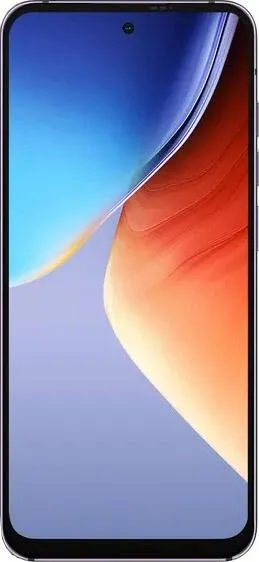
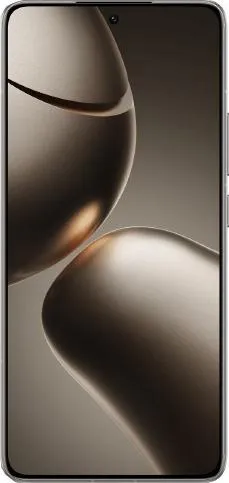
1. Specifications Comparison
| Feature | Blackview A96 | Xiaomi 14T Pro | Practical Impact | |
|---|---|---|---|---|
| Design | ||||
| Dimensions | 161.8 x 74.2 x 8.6 mm | 160.4 x 75.1 x 8.4 mm | Virtually identical in size; negligible real-world difference. | |
| Weight | 193.9 g | 209 g | Xiaomi is noticeably heavier, potentially impacting one-handed use. | |
| Fingerprint Sensor | Side-mounted | Under-display | Preference-based; under-display is often perceived as more modern. | |
| Display | ||||
| Size | 6.5" | 6.67" | Xiaomi offers a slightly larger screen for more immersive content consumption. | |
| Type | IPS LCD, 120Hz | AMOLED, 68B colors, 144Hz, Dolby Vision, HDR10+, 4000 nits (peak) | Xiaomi's AMOLED provides significantly better contrast, color accuracy, and HDR performance. Higher peak brightness ensures better outdoor visibility. | |
| Resolution | 1080 x 2400 | 1220 x 2712 | Xiaomi boasts sharper visuals due to higher resolution and pixel density. | |
| Refresh Rate | 120Hz | 144Hz | While both offer smooth scrolling, the 144Hz on the Xiaomi might provide a slightly more fluid experience in fast-paced games. | |
| Performance | ||||
| Chipset | Mediatek Helio G99 (6nm) | Mediatek Dimensity 9300+ (4nm) | Xiaomi's 9300+ is significantly more powerful, enabling smoother multitasking, faster app loading, and better gaming performance. The 4nm process also implies better power efficiency. | |
| CPU | Octa-core (2x2.2 GHz Cortex-A76 & 6x2.0 GHz Cortex-A55) | Octa-core (1x3.4 GHz Cortex-X4 & 3x2.85 GHz Cortex-X4 & 4x2.0 GHz Cortex-A720) | Xiaomi's CPU architecture is newer and more powerful. | |
| GPU | Mali-G57 MC2 | Immortalis-G720 MC12 | Xiaomi's GPU provides a substantial leap in graphics performance for demanding games and applications. | |
| RAM | 12GB | 12GB | Both offer ample RAM for multitasking. | |
| Storage | 256GB | 512GB | Xiaomi offers double the storage. | |
| Battery | ||||
| Capacity | 4380 mAh | 5000 mAh | Xiaomi's larger battery likely translates to longer usage time. | |
| Camera | ||||
| Video Capabilities | 1440p@30fps, 1080p@30fps | 8K@30fps, 4K@60fps, 1080p@960fps | Xiaomi offers significantly superior video recording capabilities with higher resolution and frame rate options including slow-motion. | Note: detailed camera specs are missing, limiting a full comparison. |
2. Key Differences Analysis
Xiaomi 14T Pro Advantages:
- Significantly superior performance: The Dimensity 9300+ chipset and Immortalis-G720 MC12 GPU offer a substantial performance advantage for demanding tasks and gaming.
- Much better display: The AMOLED with HDR10+, Dolby Vision, and higher brightness delivers a vastly improved visual experience.
- Enhanced video recording: 8K recording and high frame rate options provide more versatility.
- Larger battery: Potentially longer battery life.
- More Storage: Double the storage capacity compared to the Blackview.
Blackview A96 Advantages:
- Potentially lower price: Given the specifications, it's likely more affordable. Note: Actual prices not provided.
- Lighter weight: Might be preferred for extended one-handed use.
3. User Profiles & Recommendations
Xiaomi 14T Pro: Ideal for users who prioritize performance, a premium display, high-quality video recording, and long battery life. Suitable for gamers, content creators, and power users.
Blackview A96: Suitable for users on a tighter budget who primarily use their phone for basic tasks like calling, texting, browsing, and casual media consumption.
4. Decision Framework
Key Questions for Buyers:
- What is your budget? The Xiaomi 14T Pro is likely more expensive.
- What are your primary phone usage patterns? For demanding tasks, the Xiaomi is superior. For basic use, the Blackview might suffice.
- How important is display quality and performance? The Xiaomi excels in these areas.
Scenario-Based Recommendations:
- Gamer: Xiaomi 14T Pro
- Content Creator: Xiaomi 14T Pro
- Budget-conscious user: Blackview A96
- User prioritizing long battery life: Xiaomi 14T Pro
My Choice: Xiaomi 14T Pro
While lacking specific pricing information, the Xiaomi 14T Pro is the clear winner based on the provided specifications. The substantial upgrades in performance, display quality, and video recording capabilities outweigh the minor advantages of the Blackview A96. The heavier weight is a minor trade-off for the significant performance gains. Even if the price difference is substantial, the Xiaomi 14T Pro offers a significantly better overall user experience for most users, making it a worthwhile investment. The superior screen alone is a compelling reason to choose the Xiaomi, as display quality significantly impacts daily interaction with the device.
