1. Specifications Comparison
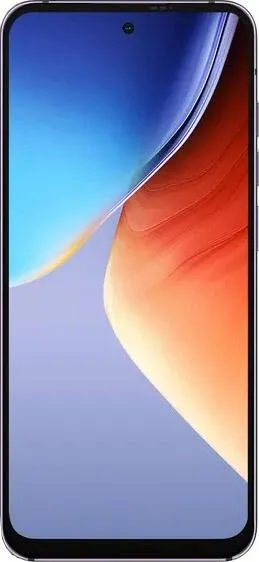
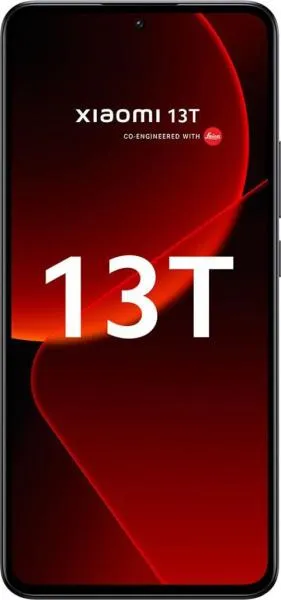
| Feature | Blackview A96 | Xiaomi 13T | Practical Impact |
|---|---|---|---|
| Design | |||
| Dimensions | 161.8 x 74.2 x 8.6 mm | 162.2 x 75.7 x 8.5 mm | Virtually identical in size and feel. |
| Weight | 193.9 g | 193 g | Negligible weight difference. |
| Fingerprint Sensor | Side-mounted | Under-display | Preference-based; under-display often perceived as more modern. |
| Display | |||
| Display Type | IPS LCD, 120Hz | AMOLED, 68B colors, 144Hz, Dolby Vision, HDR10+, 2600 nits (peak) | Xiaomi 13T offers significantly better contrast, color accuracy, and brightness, especially outdoors. Higher refresh rate provides smoother animations, though the difference between 120Hz and 144Hz is minimal. |
| Resolution | 1080 x 2400 | 1220 x 2712 | Xiaomi 13T has a sharper display due to higher pixel density (446 ppi vs 405 ppi). |
| Peak Brightness | Not specified | 2600 nits | Lack of brightness information for the Blackview A96 makes comparison difficult. However, 2600 nits on the Xiaomi 13T ensures excellent outdoor visibility. |
| Performance | |||
| Chipset | Mediatek Helio G99 (6 nm) | Mediatek Dimensity 8200 Ultra (4 nm) | Xiaomi 13T boasts a significantly more powerful chipset built on a smaller process node, resulting in better performance and efficiency. |
| CPU | Octa-core (2x2.2 GHz Cortex-A76 & 6x2.0 GHz Cortex-A55) | Octa-core (1x3.1 GHz Cortex-A78 & 3x3.0 GHz Cortex-A78 & 4x2.0 GHz Cortex-A55) | Xiaomi 13T's CPU has faster core speeds and a more modern architecture, leading to much smoother multitasking and demanding application performance. |
| GPU | Mali-G57 MC2 | Mali-G610 MC6 | The Xiaomi 13T will offer significantly better gaming performance thanks to its more powerful GPU. |
| RAM | 12GB | 12GB | Both phones offer ample RAM for multitasking. |
| Storage | 256GB | 256GB | Equal storage capacity on both devices. |
| Camera | |||
| Video Capabilities | 1440p@30fps, 1080p@30fps | 4K@30fps (HDR, EIS), 1080p@30fps (HDR, EIS), 1080p@60fps (HDR, EIS), 1080p@120fps (HDR, EIS) | The Xiaomi 13T offers superior video recording capabilities with 4K resolution, HDR, and image stabilization (EIS). More frame rate options provide flexibility for slow-motion and smoother footage. |
| Other Camera Specs | Not provided for either phone | Not provided for either phone | Insufficient information to compare camera quality. |
| Battery | |||
| Capacity | 4380 mAh | 5000 mAh | Xiaomi 13T offers a larger battery, likely resulting in longer battery life. |
2. Key Differences Analysis
Xiaomi 13T Advantages:
- Significantly superior display: Brighter, more vibrant, sharper, and smoother with HDR support.
- Much more powerful performance: Faster CPU and GPU for demanding tasks and gaming.
- Better video recording capabilities: 4K resolution, HDR, and EIS.
- Larger battery: Potentially longer battery life.
Blackview A96 Advantages:
- Potentially lower price: While both are in the "medium price" range, specifics are not available. The Blackview A96 likely occupies the lower end of this range.
3. User Profiles & Recommendations
Xiaomi 13T: Users who prioritize a premium display, high performance for gaming or demanding apps, excellent camera features, and long battery life. Suitable for content creators, mobile gamers, and power users.
Blackview A96: Budget-conscious users who primarily use their phones for basic tasks like calling, texting, browsing, and social media. Suitable for users who prioritize affordability over top-tier specifications.
4. Decision Framework
Key Questions for Buyers:
- What is your budget? The Xiaomi 13T will likely be more expensive.
- What are your primary phone usage patterns? Demanding tasks and gaming favor the Xiaomi 13T; basic usage might suffice with the Blackview A96.
- How important is display quality? The Xiaomi 13T's display is a clear winner.
My Choice: Xiaomi 13T
The Xiaomi 13T is the clear winner for me. While pricing information isn't available, the significant performance, display, and battery life advantages outweigh the potential cost difference. The superior AMOLED display, powerful Dimensity 8200 Ultra chipset, and larger battery capacity make it a more compelling device for a wider range of users. Even for basic tasks, the enhanced visual experience and smoother performance offered by the Xiaomi 13T would significantly improve daily usage. The Blackview A96 only offers a potential price advantage, which isn't enough to compensate for the substantial differences in other areas.
