1. Specifications Comparison
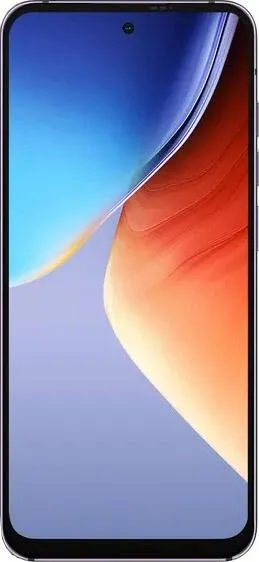
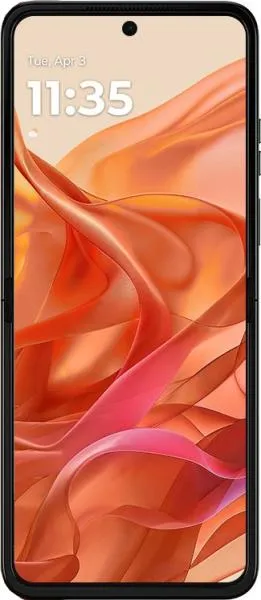
| Feature | Blackview A96 | Motorola Razr 50 | Practical Impact |
|---|---|---|---|
| Design | |||
| Dimensions | 161.8 x 74.2 x 8.6 mm | 171.3 x 74 x 7.3 mm (Folded) | Razr 50 is significantly more compact when folded, enhancing portability. However, it's taller unfolded. |
| Weight | 193.9 g | 188.4 g | Razr 50 is slightly lighter despite the folding mechanism. |
| Foldable | No | Yes | Razr 50's foldable design offers unique portability and a larger screen in a smaller form factor. |
| Display | |||
| Size | 6.5" | 6.9" | Razr 50 offers a larger screen area for media consumption and multitasking. |
| Type | IPS LCD | Foldable LTPO AMOLED | Razr 50's AMOLED provides superior contrast, deeper blacks, and potentially better power efficiency due to LTPO. |
| Resolution | 1080 x 2400 | 1080 x 2640 | Similar pixel density, though Razr 50 is slightly sharper due to a larger screen and higher resolution. |
| Refresh Rate | 120Hz | 120Hz | Both offer smooth scrolling and animations. |
| Peak Brightness | Not specified | 3000 nits | Razr 50's significantly higher brightness ensures excellent outdoor visibility. The lack of data for the A96 makes a direct comparison impossible. |
| Performance | |||
| Chipset | Mediatek Helio G99 (6nm) | Mediatek Dimensity 7300X (4nm) | Razr 50's 4nm Dimensity chip promises significantly better performance and power efficiency. |
| CPU | Octa-core (2x2.2 GHz Cortex-A76 & 6x2.0 GHz Cortex-A55) | Octa-core (4x2.5 GHz Cortex-A78 & 4x2.0 GHz Cortex-A55) | Razr 50 has faster and more powerful CPU cores, leading to smoother multitasking and better performance in demanding applications. |
| GPU | Mali-G57 MC2 | Mali-G615 MC2 | Razr 50's GPU is expected to provide better gaming and graphics performance. |
| RAM | 12GB | 12GB | Both offer ample RAM for smooth multitasking. |
| Storage | 256GB | 512GB | Razr 50 offers double the storage capacity. |
| Camera | |||
| Video Capabilities | 1440p@30fps, 1080p@30fps | 4K@30fps (EIS), 1080p@30/60fps (EIS) | Razr 50 supports 4K video recording and offers Electronic Image Stabilization (EIS) for smoother footage, signifying a likely superior camera system overall. No detailed camera specs prevent a thorough comparison. |
| Battery | |||
| Capacity | 4380 mAh | 4200 mAh | Blackview A96 has a slightly larger battery. However, real-world battery life depends on numerous factors including display type and processor efficiency. |
2. Key Differences Analysis
Motorola Razr 50 Advantages:
- Foldable Design: Offers unparalleled portability and a larger screen in a compact form factor.
- Superior Display: AMOLED technology with higher brightness and richer colors.
- Significantly Better Performance: More powerful and efficient chipset.
- More Storage: Double the storage capacity.
- Superior Video Recording: 4K recording and EIS.
Blackview A96 Advantages:
- Potentially Longer Battery Life: Slightly larger battery capacity, though real-world usage will vary.
- Lower Price: Likely more affordable given the specifications.
3. User Profiles & Recommendations
Motorola Razr 50: Ideal for users who prioritize portability, a large screen for media consumption, and strong performance. Suitable for those who value cutting-edge technology and are willing to pay a premium for the foldable design.
Blackview A96: Suitable for budget-conscious users who prioritize basic smartphone functionality and potentially longer battery life. Good for users who don't need the highest performance or the latest features.
4. Decision Framework
Key Questions:
- Is a foldable design a priority?
- What is your budget?
- How important is performance and camera quality?
Scenario-Based Recommendations:
- Limited Budget, Basic Needs: Blackview A96
- Prioritize Portability and Innovation: Motorola Razr 50
- Power User, Multitasker, Media Enthusiast: Motorola Razr 50
My Choice: Motorola Razr 50
While lacking specific camera details, the Motorola Razr 50 is the clear winner for me. The foldable design is a game-changer for portability, offering a large screen without the bulk. The significantly more powerful processor, superior display (AMOLED with 3000 nits peak brightness), larger storage, and 4K video recording capabilities outweigh the slightly smaller battery and likely higher price. The Razr 50 offers a more future-proof and premium experience. While the Blackview A96 might offer longer battery life and a lower price, the Razr 50's advantages in key areas like performance, display, and design make it a more compelling device overall.
