1. Specifications Comparison
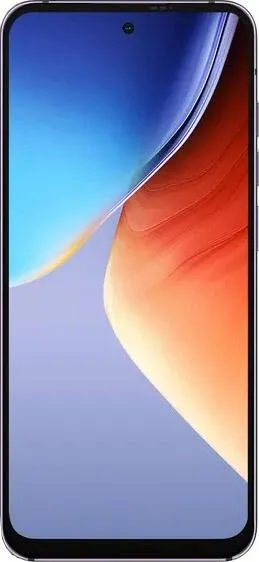
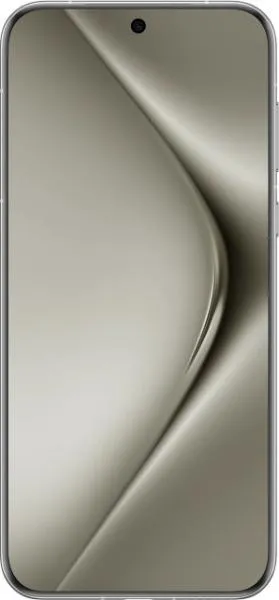
| Feature | Blackview A96 | Huawei Pura 70 Pro | Practical Impact |
|---|---|---|---|
| Design | |||
| Dimensions (mm) | 161.8 x 74.2 x 8.6 | 162.6 x 75.1 x 8.4 | Virtually identical in size; negligible real-world difference. |
| Weight (g) | 193.9 | 220 | The Pura 70 Pro is noticeably heavier, potentially impacting one-handed use and pocket comfort. |
| Display | |||
| Size (inches) | 6.5 | 6.8 | The Pura 70 Pro offers a larger screen for more immersive media consumption. |
| Type | IPS LCD, 120Hz | LTPO OLED, 1B colors, HDR, 120Hz, 2500 nits (peak) | The Pura 70 Pro's OLED provides superior contrast, deeper blacks, and significantly higher brightness for better outdoor visibility. HDR support offers a wider color gamut and more dynamic range in compatible content. |
| Resolution | 1080 x 2400 | 1260 x 2844 | The Pura 70 Pro has a sharper display with higher pixel density (460 vs 405 PPI), resulting in crisper text and images. |
| Refresh Rate (Hz) | 120 | 120 | Both phones offer smooth scrolling and animations thanks to the 120Hz refresh rate. |
| Performance | |||
| Chipset | Mediatek Helio G99 (6 nm) | Kirin 9010 (7 nm) | While both are powerful, the Kirin 9010 is likely a more powerful chipset, enabling faster processing and potentially better gaming performance. More concrete benchmarks are needed for definitive comparison. |
| CPU | Octa-core (2x2.2 GHz Cortex-A76 & 6x2.0 GHz Cortex-A55) | Octa-core (1x2.3 GHz Taishan Big & 3x2.18 GHz Taishan Mid & 4x1.55 GHz Cortex-A510) | Different core architectures make direct comparison difficult. Real-world performance will depend on optimization. |
| GPU | Mali-G57 MC2 | 8 | Missing specific GPU model for the Pura 70 Pro prevents detailed comparison. |
| RAM | 12GB | 12GB | Both phones offer ample RAM for multitasking. |
| Storage | 256GB | 512GB/1TB | The Pura 70 Pro offers significantly more storage for apps, media, and files. |
| Battery | |||
| Capacity (mAh) | 4380 | 5050 | The Pura 70 Pro boasts a significantly larger battery, likely translating to longer battery life. |
| Other | |||
| OS | Android 13 | Missing OS information for the Pura 70 Pro prevents comparison. This is a crucial detail. | |
| USB | USB Type-C 2.0, OTG | USB Type-C 3.1, OTG, DisplayPort 1.2 | The Pura 70 Pro's USB 3.1 offers significantly faster data transfer speeds. DisplayPort 1.2 allows for connection to external displays. |
| Video Capabilities | 1440p@30fps, 1080p@30fps | Missing video recording specifications for the Pura 70 Pro prevent comparison. |
2. Key Differences Analysis
Blackview A96 Advantages:
- Potentially Lower Price: Generally, Blackview phones are more budget-friendly.
- Lighter Weight: More comfortable for extended use.
Huawei Pura 70 Pro Advantages:
- Superior Display: Brighter, more vibrant OLED with HDR support.
- Larger Battery: Potentially much longer battery life.
- More Storage: Options for 512GB or even 1TB.
- Faster Data Transfer: USB 3.1 and DisplayPort 1.2.
- More Powerful Chipset: Likely offers better performance.
3. User Profiles & Recommendations
Blackview A96: Budget-conscious users who prioritize a lightweight phone for basic tasks like calling, texting, browsing, and casual gaming.
Huawei Pura 70 Pro: Users who value a premium multimedia experience with a vibrant display, long battery life, ample storage, and potentially strong performance. Suitable for demanding tasks, gaming, and content creation. However, the lack of clear OS information is a major concern.
4. Decision Framework
Key Questions for Buyers:
- What is your budget? The Blackview A96 is likely more affordable.
- What is your primary use case? The Pura 70 Pro excels in multimedia consumption and demanding tasks, while the A96 is suitable for basic use.
- How important is battery life and display quality? The Pura 70 Pro significantly outperforms the A96 in these areas.
Scenario-Based Recommendations:
- Limited Budget, Basic Use: Blackview A96
- Multimedia Enthusiast, Power User: Huawei Pura 70 Pro (pending confirmation of OS and app ecosystem).
My Choice:
I would lean towards the Huawei Pura 70 Pro, provided it runs a fully functional version of Android or a comparable OS with access to a robust app ecosystem. The superior display, larger battery, and greater storage are significant advantages for my usage. The extra weight is a trade-off I'm willing to make for the improved features. However, the missing OS information is critical. Without knowing the OS, it's impossible to make a fully informed decision. If it lacks access to Google services or runs a poorly optimized OS, the Blackview A96 might be a safer bet. I need more information before making a final decision.
