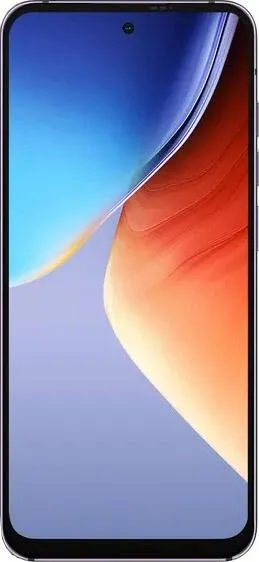
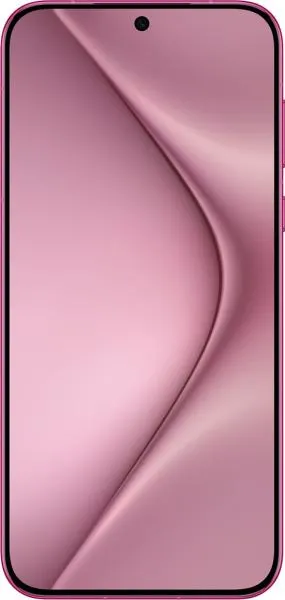
1. Specifications Comparison
| Feature | Blackview A96 | Huawei Pura 70 | Practical Impact |
|---|---|---|---|
| Design | |||
| Dimensions | 161.8 x 74.2 x 8.6 mm | 157.6 x 74.3 x 8 mm | Huawei Pura 70 is slightly shorter and thinner. Negligible difference in daily use. |
| Weight | 193.9 g | 207 g | Huawei Pura 70 is noticeably heavier, potentially impacting one-handed use. |
| Build Materials | Not specified | Not specified | Cannot compare build quality and durability. |
| Display | |||
| Display Type | IPS LCD, 120Hz | LTPO OLED, 1B colors, HDR, 120Hz | Huawei's OLED offers superior contrast, deeper blacks, and potentially better power efficiency due to LTPO. HDR support provides a wider color gamut and dynamic range for compatible content. |
| Size | 6.5" | 6.6" | Slight size difference, likely negligible in real-world use. |
| Resolution | 1080 x 2400 | 1256 x 2760 | Huawei Pura 70 has a sharper display with higher pixel density (460 vs 405 PPI). |
| Peak Brightness | Not specified | 2500 nits | Huawei's significantly higher peak brightness ensures excellent outdoor visibility. Blackview's unspecified brightness may be insufficient in direct sunlight. |
| Refresh Rate | 120Hz | 120Hz | Both offer smooth scrolling and animations. |
| Performance | |||
| Chipset | Mediatek Helio G99 (6nm) | Kirin 9000S1 | Performance comparison is difficult without benchmarks. Kirin 9000S1 is likely more powerful but real-world performance depends on optimization. |
| CPU | Octa-core (2x2.2 GHz Cortex-A76 & 6x2.0 GHz Cortex-A55) | Octa-core | Specific core configuration for Huawei is missing, limiting detailed comparison. |
| GPU | Mali-G57 MC2 | 8 | Insufficient information on Huawei's GPU (model unspecified) prevents meaningful comparison. |
| RAM | 12GB | 12GB | Both offer ample RAM for multitasking. |
| Storage | 256GB | 512GB | Huawei offers double the storage, beneficial for users who store large files or install many apps. |
| Battery | |||
| Capacity | 4380 mAh | 4900 mAh | Huawei offers a larger battery, potentially translating to longer battery life. Real-world usage will vary. |
| Other | |||
| OS | Android 13 | Unspecified | Significant unknown. OS heavily impacts user experience. Without Huawei's OS details, comparison is impossible. |
| NFC | Yes | Yes | Both support contactless payments and data transfer. |
| USB | USB Type-C 2.0, OTG | USB Type-C 3.1, OTG, DisplayPort 1.2 | Huawei offers faster data transfer and video output capabilities via USB-C 3.1 and DisplayPort. |
| Sensors | Accelerometer, gyro, proximity, compass, Fingerprint (side-mounted) | Accelerometer, gyro, proximity, compass, Fingerprint (under display), color spectrum | Huawei adds a color spectrum sensor for potentially improved display color accuracy. Fingerprint sensor placement is a matter of preference. |
| Video Capabilities | 1440p@30fps, 1080p@30fps | Not specified | Blackview's video recording capabilities are defined. Lack of information for Huawei prevents comparison. |
2. Key Differences Analysis
Blackview A96 Advantages:
- Price: Likely more affordable (unconfirmed).
- Defined Specifications: More complete information allows for better assessment.
Huawei Pura 70 Advantages:
- Superior Display: OLED with higher resolution, brightness, and HDR.
- Larger Battery: Potentially longer battery life.
- More Storage: Double the storage capacity.
- Faster Data Transfer: USB 3.1
3. User Profiles & Recommendations
Blackview A96: Budget-conscious users who prioritize basic functionality and a smooth display.
Huawei Pura 70: Users who value a premium display, longer battery life, ample storage, and faster data transfer speeds. Suitable for media consumption, gaming, and productivity if the unspecified OS and processor deliver expected performance.
4. Decision Framework
Key Questions:
- What is your budget? The Blackview A96 is likely more affordable.
- How important is display quality? Huawei Pura 70 offers a significantly better display.
- What operating system are you comfortable with? Huawei's OS is a critical unknown.
My Choice:
I would lean towards the Huawei Pura 70, if the missing information (OS, Processor benchmarks, video recording capabilities) proves competitive and it runs a usable OS. The superior display, larger battery, and doubled storage are compelling advantages. However, the lack of crucial information makes a definitive recommendation impossible. If Huawei is running a crippled version of Android or its own HarmonyOS without access to Google services, this would significantly detract from the user experience for many. The weight difference is also notable. Ultimately, the best choice depends on the missing information and individual user priorities. If the OS is acceptable and the price is reasonable, the Pura 70's hardware advantages are significant.
