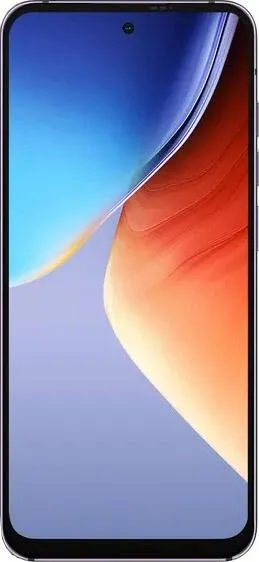
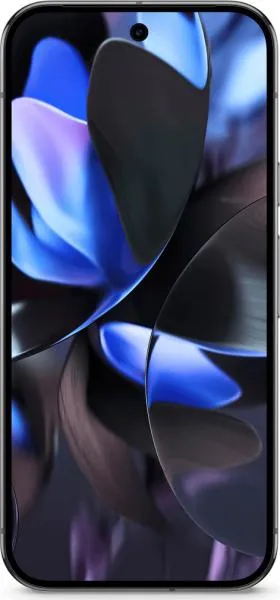
1. Specifications Comparison
| Feature | Blackview A96 | Google Pixel 9 Pro XL | Practical Impact |
|---|---|---|---|
| Design | |||
| Dimensions | 161.8 x 74.2 x 8.6 mm | 162.8 x 76.6 x 8.5 mm | Pixel slightly larger, negligible difference in hand. |
| Weight | 193.9 g | 221 g | Pixel noticeably heavier, may impact comfort during extended use. |
| Build Material | Not specified | Not specified | Build material impacts durability and premium feel; lack of information limits comparison. |
| Display | |||
| Size | 6.5" | 6.8" | Pixel offers larger screen real estate for media consumption and multitasking. |
| Type | IPS LCD, 120Hz | LTPO OLED, 120Hz, HDR10+ | Pixel's OLED provides superior contrast, deeper blacks, and HDR support. LTPO allows for dynamic refresh rate, saving battery. |
| Resolution | 1080 x 2400 | 1344 x 2992 | Pixel has significantly sharper display due to higher resolution and pixel density. |
| Peak Brightness | Not specified | 3000 nits (peak) | Pixel's vastly superior brightness ensures excellent outdoor visibility. Missing A96 data prevents full comparison. |
| Refresh Rate | 120Hz | 120Hz | Both offer smooth scrolling and animations. |
| Performance | |||
| Chipset | Mediatek Helio G99 (6nm) | Google Tensor G4 (4nm) | Pixel's Tensor G4, built on a smaller process node, is expected to offer significantly better performance and power efficiency. |
| CPU | Octa-core | Octa-core | Pixel's CPU architecture with Cortex-X4 core provides superior peak performance. |
| GPU | Mali-G57 MC2 | Mali-G715 MC7 | Pixel's GPU offers significantly improved graphics performance for demanding games and applications. |
| RAM | 12GB | 16GB | Pixel's larger RAM enables better multitasking and smoother performance with demanding apps. |
| Storage | 256GB | 256GB/512GB/1TB | Pixel offers more storage options for users with large media libraries. |
| Battery | |||
| Capacity | 4380 mAh | 5060 mAh | Pixel has larger battery capacity, likely resulting in longer battery life. |
| Other | |||
| OS | Android 13 | Android 14 | Pixel comes with the latest Android version and guaranteed longer updates. |
| USB | USB Type-C 2.0 | USB Type-C 3.2 | Pixel's USB 3.2 offers significantly faster data transfer speeds. |
| Video Capabilities | 1440p@30fps | Up to 8K@30fps | Pixel offers vastly superior video recording capabilities. |
2. Key Differences Analysis
Blackview A96 Advantages:
- Potentially Lower Price: Likely significantly cheaper than the Pixel.
Google Pixel 9 Pro XL Advantages:
- Superior Performance: Significantly faster CPU and GPU.
- Better Display: Higher resolution, OLED technology, HDR support, much brighter.
- Larger Battery: Longer battery life expected.
- More Storage Options: Up to 1TB available.
- Latest Software & Updates: Android 14 with longer update guarantee.
- Faster Data Transfer: USB 3.2.
- Superior Camera: Much more advanced video recording capabilities.
Trade-offs:
- Price: Pixel's advanced features come at a significantly higher price.
- Weight: Pixel is heavier, potentially less comfortable for extended use.
3. User Profiles & Recommendations
Blackview A96: Budget-conscious users who prioritize basic functionality and affordability. Suitable for everyday tasks like calling, texting, browsing, and light gaming.
Google Pixel 9 Pro XL: Users who demand top-tier performance, the best display, long battery life, and excellent camera capabilities. Ideal for power users, gamers, content creators, and photography enthusiasts.
4. Decision Framework
Key Questions:
- What is your budget? The Pixel is a premium device with a high price tag.
- What are your primary use cases? For basic tasks, the A96 may suffice. For demanding tasks, the Pixel is superior.
- How important are display quality, camera, and performance? The Pixel excels in these areas.
Scenario-Based Recommendations:
- Limited Budget: Blackview A96
- Best Overall Experience: Google Pixel 9 Pro XL
- Gaming & Content Creation: Google Pixel 9 Pro XL
My Choice: Google Pixel 9 Pro XL
While the Blackview A96 might be a decent budget option, the Google Pixel 9 Pro XL offers a significantly superior overall experience. The vastly improved performance, stunning display, longer battery life, and advanced camera capabilities justify the higher price for me. The longer software support and faster data transfer speeds are also crucial factors in long-term usability and value retention. While I acknowledge the price difference, the Pixel's comprehensive advantages make it the clear winner for my needs and preferences. I value a smooth and powerful user experience, excellent media consumption, and future-proofing through software updates.
