1. Specifications Comparison
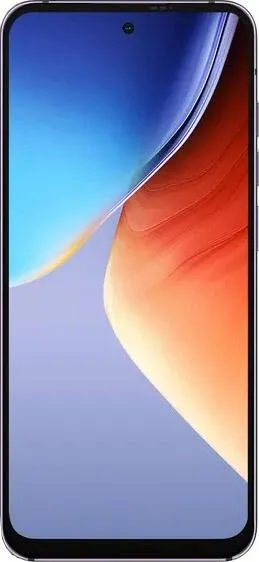
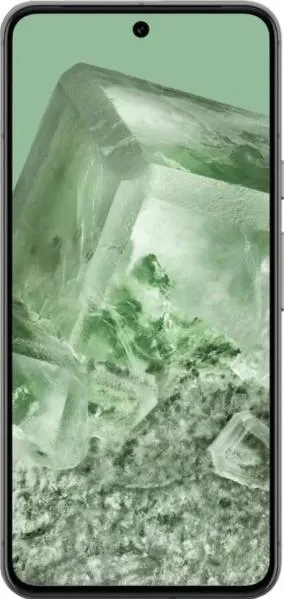
| Feature | Blackview A96 | Google Pixel 8 | Practical Impact |
|---|---|---|---|
| Design | |||
| Dimensions | 161.8 x 74.2 x 8.6 mm | 150.5 x 70.8 x 8.9 mm | Pixel 8 is noticeably smaller and potentially more comfortable for one-handed use. |
| Weight | 193.9 g | 187 g | While the difference is slight, the Pixel 8 feels lighter. |
| Build Materials | Not specified | Not specified | Build quality and feel cannot be compared without more information. |
| Display | |||
| Size | 6.5" | 6.2" | A96 offers a larger screen for media consumption, Pixel 8 is more pocketable. |
| Type | IPS LCD, 120Hz | OLED, 120Hz, HDR10+ | Pixel 8's OLED provides deeper blacks, vibrant colors, and higher contrast for a superior viewing experience. |
| Resolution | 1080 x 2400 | 1080 x 2400 | Same resolution, but pixel density is slightly higher on the Pixel 8 due to its smaller size. |
| Refresh Rate | 120Hz | 120Hz | Both offer smooth scrolling and animations. |
| Peak Brightness | Not specified | 2000 nits | Pixel 8's significantly higher peak brightness ensures excellent outdoor visibility. The lack of this spec for the A96 makes a direct comparison impossible. |
| Performance | |||
| Chipset | Mediatek Helio G99 (6nm) | Google Tensor G3 (4nm) | Tensor G3, built on a more advanced process, should deliver significantly better performance and power efficiency. |
| CPU | Octa-core (2x2.2 GHz Cortex-A76 & 6x2.0 GHz Cortex-A55) | Nona-core (1x3.0 GHz Cortex-X3 & 4x2.45 GHz Cortex-A715 & 4x2.15 GHz Cortex-A510) | Pixel 8's CPU architecture is newer and more powerful, leading to faster app loading, multitasking, and demanding tasks. |
| GPU | Mali-G57 MC2 | Immortalis-G715s MC10 | Pixel 8 has a considerably more powerful GPU, resulting in smoother gaming and better graphics performance. |
| RAM | 12GB | 8GB | While A96 has more RAM, the superior efficiency of the Tensor G3 and Android 14 optimizations might result in comparable or better real-world performance on the Pixel 8. |
| Storage | 256GB | 256GB | Both offer the same storage capacity. |
| Camera | |||
| Video Capabilities | 1440p@30fps, 1080p@30fps | 4K@60fps, 1080p@240fps (HDR, OIS, EIS) | Pixel 8 offers significantly better video recording capabilities with higher resolution, frame rates, and advanced stabilization. |
| Other Camera Specs | Not specified | Not specified | Detailed camera sensor information is needed for a comprehensive comparison. |
| Battery | |||
| Capacity | 4380 mAh | 4575 mAh | Pixel 8 has a slightly larger battery. |
| Charging Speed | Not specified | Not specified | Charging speed comparison is not possible without more data. |
| Software | |||
| OS | Android 13 | Android 14 | Pixel 8 ships with the latest Android version and will receive longer software updates directly from Google. |
2. Key Differences Analysis
Pixel 8 Advantages:
- Superior Performance: The Tensor G3 chip offers a significant performance advantage for demanding tasks and gaming.
- Better Display: OLED technology delivers vibrant colors, deeper blacks, and excellent outdoor visibility.
- Advanced Camera Features: Notably superior video recording capabilities.
- Latest Software and Updates: Android 14 with guaranteed long-term updates.
- More Compact Design: Easier to handle and carry.
Blackview A96 Advantages:
- Potentially Better Value: Depending on the price difference, the A96 might offer more RAM for the money.
- Larger Display: Provides more screen real estate for media consumption.
Trade-offs:
- Pixel 8: Higher price, less RAM (though potentially offset by software optimization).
- Blackview A96: Less powerful processor, IPS LCD display, older Android version, less frequent and shorter-term software updates.
3. User Profiles & Recommendations
Pixel 8: Users who prioritize performance, camera quality, software updates, and a premium display experience. Ideal for power users, photographers/videographers, and those who value a smooth and up-to-date Android experience.
Blackview A96: Budget-conscious users who prioritize a large display and ample RAM for basic tasks and media consumption. Suitable for casual users who primarily use their phones for browsing, social media, and light gaming.
4. Decision Framework
Key Questions for Buyers:
- What is your budget? The Pixel 8 is expected to be significantly more expensive.
- What are your primary phone usage patterns? Demanding tasks and gaming benefit from the Pixel 8's performance; casual usage might not necessitate such power.
- How important are software updates and camera quality? The Pixel 8 excels in these areas.
My Choice: Google Pixel 8
While the Blackview A96 might offer a larger display and more RAM at a lower price point, the Google Pixel 8 is the superior device overall. Its significantly more powerful processor, stunning OLED display, advanced camera capabilities, latest Android version with guaranteed long-term updates, and more compact design make it a clear winner for me. The performance and software advantages alone are substantial, ensuring a smoother and more future-proof experience. While price is a factor, the Pixel 8's premium features justify the higher cost for a user who values performance, longevity, and a polished user experience.
