
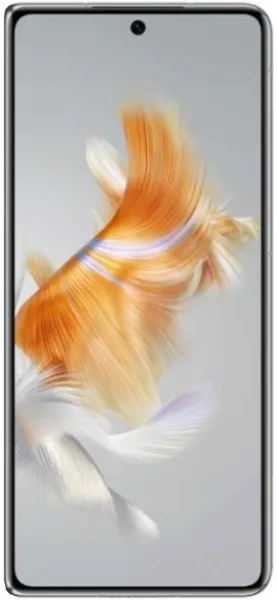
Okay, let's dive into a head-to-head comparison of the Asus Zenfone 9 and the Huawei Mate X3. We'll break down the specs, highlight key differences, and figure out which phone might be right for you.
1. Specifications Breakdown
| Feature | Asus Zenfone 9 | Huawei Mate X3 | Real-World Implications |
|---|---|---|---|
| Design | |||
| Form Factor | Standard | Foldable | The Mate X3 offers a larger screen that folds down for pocketability; the Zenfone 9 is a small, standard phone. |
| Dimensions | 146.5 x 68.1 x 9.1 mm | 156.9 x 141.5 x 5.3 mm | Zenfone 9 is much more compact, Mate X3 is larger overall and quite thin when unfolded. |
| Weight | 169g | 239g | Zenfone 9 is significantly lighter, making it more comfortable for one-handed use. |
| Display | |||
| Size | 5.9" | 7.85" | The Mate X3's screen is much larger, offering a tablet-like experience when unfolded. |
| Resolution | 1080x2400 | 2224x2496 | The Mate X3 has a higher resolution, resulting in a sharper image. |
| Pixel Density | 445 PPI | 426 PPI | Both offer sharp screens, but pixel density differences are not really noticeable. |
| Technology | AMOLED | Unknown | Zenfone 9's AMOLED display provides vibrant colors and deep blacks. |
| Refresh Rate | 120Hz | 120Hz | Both displays are very smooth, great for gaming and scrolling. |
| Brightness | 1100 nits | 0 nits | Zenfone 9's higher brightness is great for viewing outdoors under bright sunlight. |
| Performance | |||
| Chipset | Snapdragon 8+ Gen 1 (4nm) | Snapdragon 8+ Gen 1 4G (4nm) | Both offer very high-end performance, but the Mate X3 has a 4G version of the chip, which limits its connectivity. |
| AnTuTu Score | 1,232,500 | 1,238,400 | Both have similar performance. Expect smooth operation with even demanding applications. |
| GPU | Adreno 730 | Adreno 730 | Both are capable of handling heavy graphical tasks and gaming. |
| Camera | |||
| Main Camera | 50MP, f/1.8, 1/1.56", IMX766 | 50MP, f/1.8, 1/1.56", IMX766 | Both share the same main camera sensor, expect high quality, detailed shots. |
| Selfie Camera | 12MP, f/2.45, 1/2.93", IMX663 | 8MP, f/2.4 | The Zenfone 9 offers higher resolution selfies. |
| Telephoto Lens | None | 16MP, f/3.4, 1/3.09", IMX351 | The Mate X3 includes a dedicated telephoto lens for better zoomed shots. |
| Wide Angle Camera | 12MP, f/2.2, 1/2.55", IMX363 | 12MP, f/2.2, IMX688 | Both offer similar quality wide-angle shots. |
| Video Recording | Up to 8K/24fps, various options | Up to 4K/60fps with EIS | The Zenfone 9 can capture 8K video, but both offer good video stabilization. |
| Camera Features | Gimbal, 8k video | Optical zoom, Triple camera | Zenfone 9 has Gimbal and records up to 8k. Huawei is more versatile with a triple camera setup. |
| Battery Life | |||
| Capacity | 4300mAh | 4800mAh | The Mate X3 likely offers longer battery life due to its larger capacity. |
| Charging | 30W Fast | 66W Fast, 50W Wireless | The Mate X3 charges much faster and supports wireless charging, whereas the Zenfone 9 is slower and does not support wireless charging. |
| Software | |||
| OS | Android 12, Upgradable to 14 | Android OS | Zenfone 9 has a clear Android software path while Huawei Mate X3 doesn't have an official one. |
| Storage | |||
| Internal Storage | 128/256GB | 256/512/1024GB | The Mate X3 offers significantly more storage options. |
| RAM | 8/16GB | 8/12GB | The Zenfone 9 offers a 16 GB RAM option, which is great for multitasking. |
| Expandable Storage | No | No | Neither phone allows for storage expansion. |
| Other | |||
| Audio | Hi-Res Audio, Stereo Speakers | Stereo Speakers | Zenfone 9 offers high-quality audio features, such as Hi-Res, while both share the stereo speakers. |
| Security | Side-mounted fingerprint sensor | Side-mounted fingerprint sensor | Both offer basic biometric security. |
| Build Quality | Gorilla Glass Victus | Unknown | Zenfone 9 has a superior display protection. |
| Sensors | Proximity, Accelerometer, Compass, Gyroscope | Proximity, Accelerometer, Compass, Gyroscope, Barometer | Mate X3 includes barometer sensors, which is ideal for environmental sensing. |
2. Key Insights
Asus Zenfone 9: The Zenfone 9 is a powerhouse in a small form factor. Its main strengths lie in its compact design, powerful performance, a bright, high-quality AMOLED display, and advanced audio features like Hi-Res Audio and a noise cancellation microphone, making it excellent for multimedia consumption and capturing good-quality audio. The Gimbal stabilization provides exceptional video quality.
Huawei Mate X3: The Mate X3 is a foldable marvel with a large, high-resolution display that's perfect for multitasking and media consumption. It offers versatile cameras with a telephoto lens and fast wireless charging. The downside is that it's bigger, heavier, and uses a 4G version of the Snapdragon chip, limiting connectivity. The Android OS is also unclear.
Key Differences: The most significant differences are the form factor (standard vs. foldable), display size (5.9" vs. 7.85"), and charging speeds. The Zenfone 9 is all about power in a small package, while the Mate X3 emphasizes a large screen and versatility. Another key difference is the software, with Asus offering a clear path for Android updates and Huawei Mate X3 lacking a clear one.
3. User Profiles and Recommendations
Asus Zenfone 9:
- Best for: Users who prioritize one-handed use, compact design, a great display, and audio features.
- Use cases: Ideal for on-the-go use, gaming, and media consumption while traveling, and those wanting great audio recording. The gimbal stabilization makes it suitable for vloggers and content creators needing high quality video footage in a compact form factor.
- Trade-offs: Smaller display compared to the Mate X3, lacking wireless charging capabilities.
Huawei Mate X3:
- Best for: Users who value a large, immersive display and foldable design.
- Use cases: Perfect for multitasking, watching videos, and productivity tasks. Great for users who need a large screen, and a great camera with a telephoto lens.
- Trade-offs: Larger size, heavier weight, limited connectivity (4G). No clear update path for Android.
4. Buying Decision Framework
Here are three questions to help you decide:
Do you prioritize portability or screen size? If portability is key, the Zenfone 9 is the clear choice. If you crave a large screen, the Mate X3 wins.
How important is camera versatility? The Mate X3's telephoto lens gives it an edge for zooming capabilities, but the Zenfone 9 excels in videography due to its gimbal stabilization and 8K recording capabilities.
What are your software priorities? Zenfone 9 offers clear Android software updates, while Huawei Mate X3 has an unclear software update path.
Scenario-Based Recommendations:
- For the On-the-Go User: The Asus Zenfone 9, with its compact size, performance, and audio features is the ideal option.
- For the Power User: The Huawei Mate X3 is a good choice if they are looking for a large screen and versatile cameras.
- For the Content Creator: The Asus Zenfone 9 will be more suited for content creators who want great audio recording, and video stabilization with its gimbal capabilities.
- For the Casual User: The Asus Zenfone 9 will be the ideal choice due to its compact size, great software and ease of use.
My Choice
If I had to pick between these two phones, I would choose the Asus Zenfone 9. While the Mate X3's foldable screen and large display are definitely impressive, my personal needs align better with the Zenfone 9's strengths. I value the compact, one-hand friendly design, the powerful performance, and clear software path. I also appreciate the superior screen protection, audio features, and video recording capabilities. For my day-to-day usage, these factors outweigh the appeal of a larger screen, making the Zenfone 9 the practical and optimal choice. The lack of a clear software update path with the Huawei Mate X3 is also a big deterrent for me.
