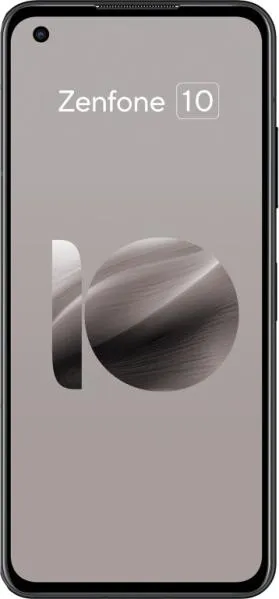

1. Specifications Comparison
| Feature | Asus Zenfone 10 | ZTE nubia Z60 Ultra | Practical Impact |
|---|---|---|---|
| Design | |||
| Dimensions (mm) | 146.5 x 68.1 x 9.4 | 164 x 76.4 x 8.8 | Zenfone 10 is significantly smaller and more pocketable; Z60 Ultra is larger, potentially less comfortable for one-handed use. |
| Weight (g) | 172 | 246 | Zenfone 10 is noticeably lighter, reducing hand fatigue during extended use. |
| Display | |||
| Size (inches) | 5.92 | 6.8 | Z60 Ultra offers a larger screen for more immersive media consumption; Zenfone 10 is more compact. |
| Resolution (px) | 1080 x 2400 | 1116 x 2480 | Similar pixel density due to size difference; both offer sharp visuals. |
| Refresh Rate (Hz) | 144 | 120 | Zenfone 10's higher refresh rate provides smoother animations and scrolling. |
| Peak Brightness (nits) | 1100 | 1500 | Z60 Ultra's higher peak brightness improves outdoor visibility. |
| Performance | |||
| Chipset | Snapdragon 8 Gen 2 | Snapdragon 8 Gen 3 | Z60 Ultra boasts a newer, potentially more powerful chipset, likely resulting in faster processing and better gaming performance. |
| CPU | Octa-core (up to 3.2 GHz) | Octa-core (up to 3.3 GHz) | Both offer high-end performance; Gen 3 may have slight speed and efficiency advantages. |
| GPU | Adreno 740 | Adreno 750 | Z60 Ultra's newer GPU likely provides improved graphics performance for demanding games. |
| RAM (GB) | 8/16 | 12/16/24 | Z60 Ultra offers higher RAM configurations, enabling better multitasking and smoother performance with demanding applications. |
| Camera | |||
| Rear Camera | 50MP (Main) + 13MP (Wide/Macro) | 54MP (Main) + 50MP (Wide) + 64MP (Telephoto) | Z60 Ultra offers a more versatile camera system with a dedicated telephoto lens for optical zoom. |
| Front Camera | 32MP | 12MP | Zenfone 10 has a higher resolution front camera, potentially capturing more detailed selfies. |
| Video Recording | Up to 8K@24fps | Up to 8K@30fps | Both offer high-resolution video recording; Z60 Ultra supports slightly higher frame rates at 8K. |
| Battery | |||
| Capacity (mAh) | 4300 | 6000 | Z60 Ultra has a significantly larger battery, likely translating to much longer battery life. |
| Charging Speed | Not specified | Not specified | Unable to compare charging speeds due to missing information. |
2. Key Differences Analysis
Zenfone 10 Advantages:
- Compactness and Ergonomics: Significantly smaller and lighter, ideal for one-handed use and portability.
- Higher Refresh Rate Display: Smoother scrolling and animations for a more responsive user experience.
Z60 Ultra Advantages:
- Larger Display: More immersive experience for media consumption and gaming.
- More Powerful Performance: Newer generation chipset and GPU for faster processing and better graphics.
- More Versatile Camera System: Dedicated telephoto lens for optical zoom and overall superior camera setup.
- Significantly Larger Battery: Longer battery life for extended usage.
- Higher Peak Brightness: Better outdoor visibility.
3. User Profiles & Recommendations
Zenfone 10: Users who prioritize one-handed usability, portability, and a smooth display experience. Ideal for those who value compact size over large screens and extensive camera features.
Z60 Ultra: Users who prioritize performance, a large and bright display, a versatile camera system, and long battery life. Ideal for power users, mobile gamers, and photography enthusiasts.
4. Decision Framework
Key Questions for Buyers:
- How important is one-handed usability and portability? If crucial, the Zenfone 10 is the clear winner.
- What is your primary use case? Gaming and media consumption favor the Z60 Ultra; everyday tasks and portability favor the Zenfone 10.
- What is your budget? While both are in the "medium price" range, specific pricing and storage options may influence the decision.
My Choice: ZTE nubia Z60 Ultra
While I appreciate the compact form factor of the Zenfone 10, the ZTE nubia Z60 Ultra offers a more compelling overall package for my needs. The significantly larger battery, more powerful processor and GPU, versatile camera system with a dedicated telephoto lens, and larger, brighter display outweigh the benefits of the Zenfone 10's smaller size. I prioritize performance, battery life, and a great multimedia experience, making the Z60 Ultra the better choice for me. The slightly larger size is a trade-off I am willing to make for these advantages.
