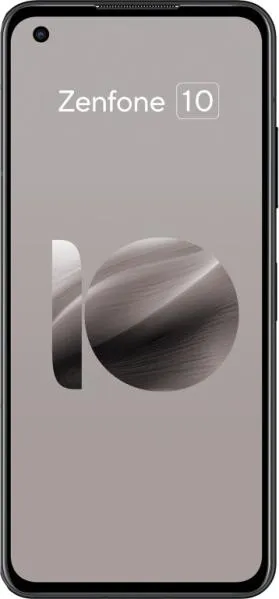
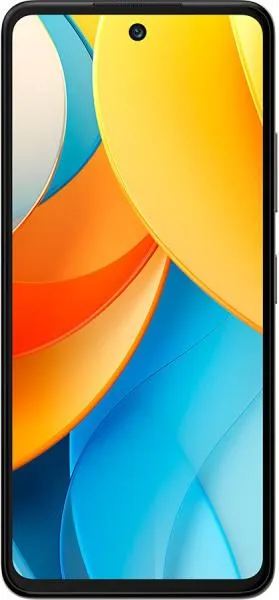
1. Specifications Comparison
| Feature | Asus Zenfone 10 | ZTE Blade V60 Design | Practical Impact |
|---|---|---|---|
| Design | |||
| Dimensions (mm) | 146.5 x 68.1 x 9.4 | 164.2 x 75.3 x 8.6 | Zenfone 10 is significantly smaller and more pocketable. V60 Design is larger, potentially less comfortable for one-handed use. |
| Weight (g) | 172 | 198 | Zenfone 10 feels lighter and less fatiguing during extended use. |
| Build Materials | Missing | Missing | Cannot compare build quality and durability. |
| Display | |||
| Size (inches) | 5.92 | 6.6 | V60 Design offers a larger screen for media consumption, but may be less manageable. |
| Resolution | 1080 x 2400 | 720 x 1612 | Zenfone 10 has a much sharper display (445 ppi vs 267 ppi), resulting in crisper text and images. |
| Panel Type | AMOLED, 144Hz | IPS LCD, 90Hz | Zenfone 10's AMOLED provides deeper blacks, vibrant colors, and smoother scrolling thanks to the higher refresh rate. |
| Performance | |||
| Chipset | Snapdragon 8 Gen 2 | Unisoc T606 | Zenfone 10 boasts a flagship-level processor, ensuring significantly faster performance, smoother multitasking, and better gaming capabilities compared to the V60 Design's budget chipset. |
| RAM | 8GB/16GB | 4GB/6GB | More RAM in the Zenfone 10 allows for more apps to run in the background and smoother multitasking. |
| Storage | 128GB/256GB/512GB | 256GB | Zenfone 10 offers more storage options, catering to various user needs. |
| Camera | |||
| Main Camera | 50MP, Sony IMX766 | 50MP, ISOCELL | While both have 50MP sensors, the Zenfone 10 utilizes the renowned Sony IMX766, likely offering superior image quality. Sensor size and other details are missing for the V60 Design, limiting a comprehensive comparison. |
| Video Recording | Up to 8K@24fps | Up to 1080p@30fps | Zenfone 10 supports much higher resolution video recording. |
| Battery | |||
| Capacity | 4300 mAh | 5000 mAh | V60 Design has a larger battery capacity, potentially leading to longer battery life. However, the Zenfone 10's more efficient processor might offset this difference. Real-world usage will vary. |
2. Key Differences Analysis
Zenfone 10 Advantages:
- Significantly faster performance: The Snapdragon 8 Gen 2 provides a massive performance advantage for demanding tasks and gaming.
- Superior display: Sharper, smoother, and more vibrant AMOLED display with a 144Hz refresh rate.
- Premium camera system: Likely better image quality thanks to the Sony IMX766 sensor and more advanced video recording capabilities.
- More compact and portable: Easier to handle and carry.
ZTE Blade V60 Design Advantages:
- Larger battery: Potentially longer battery life, although real-world usage may vary due to processor efficiency differences.
- Lower price: Significantly more affordable.
- Larger screen: More screen real estate for media consumption.
3. User Profiles & Recommendations
Zenfone 10: Users who prioritize performance, a premium display, a compact form factor, and excellent camera capabilities. Ideal for power users, gamers, and photography enthusiasts.
ZTE Blade V60 Design: Budget-conscious users who prioritize battery life and a large screen for media consumption. Suitable for casual users, basic tasks, and light entertainment.
4. Decision Framework
Key Questions for Buyers:
- What is your budget? The Zenfone 10 is significantly more expensive.
- What are your performance needs? For demanding tasks and gaming, the Zenfone 10 is vastly superior.
- What screen size and quality do you prefer? The V60 Design has a larger display, but the Zenfone 10 offers much higher resolution and quality.
My Choice: Asus Zenfone 10
While significantly more expensive, the Asus Zenfone 10 offers a vastly superior overall experience. The Snapdragon 8 Gen 2's performance, combined with the stunning AMOLED display and likely excellent camera, justifies the higher price for me. I prioritize a smooth and responsive user experience, and the Zenfone 10 delivers that in spades. The compact form factor is also a major plus for me. While the V60 Design offers a larger battery and screen, the performance and display compromises are too significant to overlook. The Zenfone 10 represents a better long-term investment due to its superior hardware.
