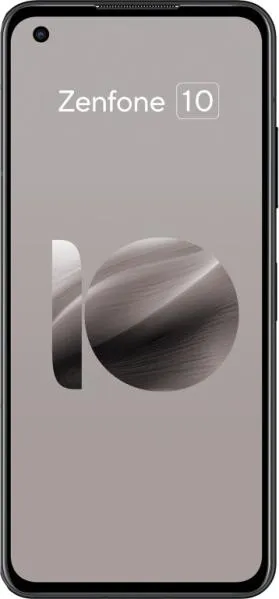

1. Specifications Comparison
| Feature | Asus Zenfone 10 | Xiaomi Redmi Note 13 Pro+ | Practical Impact |
|---|---|---|---|
| Design | |||
| Dimensions (mm) | 146.5 x 68.1 x 9.4 | 161.4 x 74.2 x 8.9 | Zenfone 10 is significantly smaller and more pocketable. Redmi is larger, potentially less comfortable for one-handed use. |
| Weight (g) | 172 | 199 | Zenfone 10 is noticeably lighter, reducing hand fatigue during extended use. |
| Display | |||
| Size (inches) | 5.92 | 6.67 | Redmi offers a larger display for more immersive content consumption. Zenfone's smaller size benefits one-handed usability. |
| Resolution | 1080 x 2400 | 1220 x 2712 | Both have sharp displays due to high pixel density. Redmi's slightly higher resolution might offer marginally improved clarity. |
| Refresh Rate (Hz) | 144 | 120 | Zenfone 10's higher refresh rate results in smoother animations and scrolling, especially noticeable in gaming and fast-paced content. |
| Peak Brightness (nits) | 1100 | 1800 | Redmi's significantly higher peak brightness ensures better visibility in direct sunlight. |
| Performance | |||
| Chipset | Snapdragon 8 Gen 2 | MediaTek Dimensity 7200 Ultra | Snapdragon 8 Gen 2 generally offers superior performance in demanding tasks and gaming compared to Dimensity 7200 Ultra. |
| CPU | Octa-core (1x3.2 GHz Cortex-X3 & 2x2.8 GHz Cortex-A715 & 2x2.8 GHz Cortex-A710 & 3x2.0 GHz Cortex-A510) | Octa-core (2x2.8 GHz Cortex-A715 & 6x2.0 GHz Cortex-A510) | Zenfone 10's CPU configuration, particularly the Cortex-X3 core, provides a significant performance advantage for demanding applications. |
| GPU | Adreno 740 | Mali-G610 MC4 | Adreno 740 generally delivers better gaming performance and graphics rendering compared to Mali-G610 MC4. |
| Camera | |||
| Main Camera (MP) | 50 (Sony IMX766) | 200 (Samsung ISOCELL HP3) | Redmi boasts a higher resolution main sensor. Image quality depends on factors beyond resolution, including sensor size, processing, and aperture. |
| Video Recording | 8K@24fps, 4K@60fps | 4K@30fps | Zenfone 10 supports higher resolution and frame rate video recording, offering more detailed and smoother footage. |
| Battery | |||
| Capacity (mAh) | 4300 | 5000 | Redmi offers a larger battery capacity, potentially translating to longer battery life. Real-world usage varies depending on individual usage patterns. |
2. Key Differences Analysis
Zenfone 10 Advantages:
- Compact Size and Lighter Weight: Significantly more pocketable and comfortable for one-handed use.
- Higher Performance: Snapdragon 8 Gen 2 and Adreno 740 deliver superior processing and gaming capabilities.
- Smoother Display: 144Hz refresh rate provides a noticeably smoother user experience.
- Superior Video Recording: Supports 8K and 4K@60fps recording for high-quality video capture.
Redmi Note 13 Pro+ Advantages:
- Larger Display: More immersive experience for media consumption.
- Higher Resolution Camera: 200MP main sensor potentially captures more detail. Needs further review based on real-world image comparisons.
- Larger Battery: Potentially longer battery life.
- Brighter Display: Better visibility outdoors in bright sunlight.
3. User Profiles & Recommendations
Zenfone 10: Ideal for users who prioritize a compact and powerful phone with a smooth display and excellent camera capabilities. Suitable for one-handed use, gaming, and content creation.
Redmi Note 13 Pro+: Suitable for users who prefer a large display for media consumption and prioritize battery life. A good option for those seeking a feature-rich phone at a competitive price.
4. Decision Framework
Key Questions for Buyers:
- Do you prioritize one-handed usability and portability? If yes, Zenfone 10 is the better choice.
- Is top-tier performance for gaming and demanding tasks crucial? Zenfone 10's Snapdragon 8 Gen 2 offers a significant advantage.
- How important is battery life and a large display for media consumption? Redmi Note 13 Pro+ excels in these areas.
My Choice: Asus Zenfone 10
While the Redmi Note 13 Pro+ offers a compelling package with its large display and battery, I would choose the Asus Zenfone 10. The compact form factor, superior performance provided by the Snapdragon 8 Gen 2, and the smoother 144Hz display are decisive factors for me. I value a phone that is comfortable to hold and use with one hand, and the Zenfone 10 delivers that without compromising on performance. The superior video recording capabilities are also a significant plus. While battery life is important, I'm willing to compromise slightly in that area for the overall better user experience offered by the Zenfone 10. The significantly faster and more powerful chipset is crucial for demanding tasks and longevity, making the Zenfone 10 a more future-proof choice.
