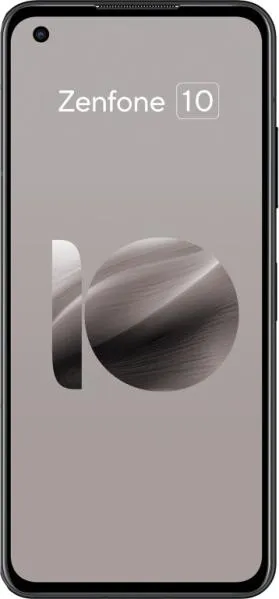
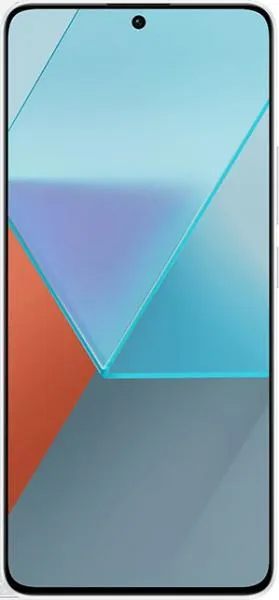
1. Specifications Comparison
| Feature | Asus Zenfone 10 | Xiaomi Redmi Note 13 Pro | Practical Impact |
|---|---|---|---|
| Design | |||
| Dimensions (mm) | 146.5 x 68.1 x 9.4 | 161.2 x 74.2 x 8 | Zenfone 10 is significantly smaller and more pocketable. Redmi Note 13 Pro is larger, potentially less comfortable for one-handed use. |
| Weight (g) | 172 | 187 | Zenfone 10 is noticeably lighter, reducing hand fatigue during extended use. |
| Display | |||
| Size (inches) | 5.92 | 6.67 | Redmi Note 13 Pro offers a larger screen for more immersive media consumption and multitasking. Zenfone 10 is better for one-handed use. |
| Resolution (pixels) | 1080 x 2400 | 1220 x 2712 | Both have similar pixel densities (~445 ppi), resulting in sharp visuals. Redmi Note 13 Pro's higher resolution might offer slightly more detail. |
| Refresh Rate (Hz) | 144 | 120 | Zenfone 10's higher refresh rate provides smoother animations and scrolling. |
| Display Type | Super AMOLED | AMOLED | Both offer vibrant colors and deep blacks. Zenfone 10's HDR10+ support might offer slightly better HDR performance than Redmi's Dolby Vision in some cases; however, this can be subjective. |
| Peak Brightness (nits) | 1100 | 1800 | Redmi Note 13 Pro boasts significantly higher peak brightness, ensuring better visibility in direct sunlight. |
| Performance | |||
| Chipset | Snapdragon 8 Gen 2 | Snapdragon 7s Gen 2 | Zenfone 10's flagship Snapdragon 8 Gen 2 offers significantly better performance for demanding tasks and gaming. |
| CPU | Octa-core (1x3.2 GHz Cortex-X3 & 2x2.8 GHz Cortex-A715 & 2x2.8 GHz Cortex-A710 & 3x2.0 GHz Cortex-A510) | Octa-core (4x2.40 GHz Cortex-A78 & 4x1.95 GHz Cortex-A55) | Zenfone 10's CPU configuration provides superior processing power and efficiency compared to Redmi Note 13 Pro. |
| GPU | Adreno 740 | Adreno 710 | Zenfone 10's GPU is significantly more powerful, enabling higher graphics settings and smoother gameplay. |
| Camera | |||
| Main Camera (MP) | 50 (Sony IMX766) | 200 (Samsung ISOCELL HP3) | Redmi Note 13 Pro boasts a higher resolution main sensor. Image quality depends on factors beyond resolution, including sensor size, processing, and aperture. |
| Video Recording | 8K@24fps, 4K@60fps | 4K@30fps | Zenfone 10 supports higher resolution and frame rate video recording, offering more flexibility for content creation. |
| Battery | |||
| Capacity (mAh) | 4300 | 5100 | Redmi Note 13 Pro has a larger battery capacity, potentially offering longer battery life. Real-world usage will vary. |
2. Key Differences Analysis
Asus Zenfone 10 Advantages:
- Significantly more powerful: Snapdragon 8 Gen 2 offers a substantial performance advantage for demanding tasks and gaming.
- Smoother display: 144Hz refresh rate provides a more fluid user experience.
- More compact and lighter: Easier to handle and carry.
- Higher quality video recording: Supports 8K and 4K@60fps.
Xiaomi Redmi Note 13 Pro Advantages:
- Larger display: More immersive for media consumption.
- Higher resolution main camera: Potentially more detailed photos.
- Larger battery: Potentially longer battery life.
- Lower price: Offers good value for its features.
Trade-offs:
- Zenfone 10: Smaller battery, higher price.
- Redmi Note 13 Pro: Less powerful, lower refresh rate display.
3. User Profiles & Recommendations
Asus Zenfone 10: Ideal for users who prioritize performance, a smooth display, compact size, and high-quality video recording. Suitable for mobile gaming, content creation, and one-handed use.
Xiaomi Redmi Note 13 Pro: Best suited for users who value a large display, long battery life, and a high-resolution camera on a budget. Good for media consumption, casual gaming, and everyday tasks.
4. Decision Framework
Key Questions for Buyers:
- What is your budget? The Zenfone 10 is more expensive.
- What is your primary use case? Gaming and demanding tasks benefit from the Zenfone 10's power. Media consumption is enhanced by the Redmi Note 13 Pro's larger display.
- Do you prioritize size and portability? The Zenfone 10 is significantly smaller and lighter.
Scenario-Based Recommendations:
- Heavy gamer: Zenfone 10
- Budget-conscious media consumer: Redmi Note 13 Pro
- One-handed use enthusiast: Zenfone 10
- Photographer prioritizing high resolution: Redmi Note 13 Pro (with the caveat that megapixels aren't everything)
My Choice: Asus Zenfone 10
While the Redmi Note 13 Pro offers compelling features for its price, I would choose the Asus Zenfone 10. The significantly superior performance of the Snapdragon 8 Gen 2, combined with the smoother 144Hz display, compact form factor, and higher quality video recording capabilities, outweighs the benefits of the Redmi Note 13 Pro for my personal needs. I prioritize a fluid and responsive user experience, and I am willing to pay a premium for the Zenfone 10's flagship-level performance and compact size. I often use my phone for demanding tasks and appreciate a phone that fits comfortably in my pocket. The Redmi Note 13 Pro's larger battery is tempting, but I find that software optimization and efficient hardware, like that in the Zenfone 10, can often mitigate the difference in battery capacity.
